
Why International Technical SEO Matters for SaaS
When you’re building a SaaS product, the temptation is to focus on the home market first—after all, that’s where the product‑market fit was validated. But the moment you start seeing traction, the next logical step is scaling globally. Scaling isn’t just about translating your UI; it’s about making sure every search engine in the world can find, understand, and rank your site. That’s where international technical SEO steps into the spotlight.
In my experience, teams that treat localization as an after‑thought end up with duplicate‑content nightmares, confusing signals in Search Console, and a fractured brand presence. Conversely, a disciplined technical SEO framework for international expansion can turn a handful of regional markets into a steady pipeline of qualified leads.
Start With the Right Foundations: Hreflang and Canonical Tags
Most SaaS marketers are familiar with canonical tags to avoid duplicate content. When you add multiple language or regional versions, hreflang becomes the linchpin. The attribute tells Google which version of a page to serve to a specific language‑region pair.
- Use ISO 639‑1 language codes (en, fr, de) combined with ISO 3166‑1 alpha‑2 country codes (US, CA, DE) for precise targeting.
- Never rely on automatic detection alone. Even if a user’s browser prefers French, you should still provide a clear language switcher.
- Self‑referencing hreflang tags are mandatory. Every page must list itself in its own hreflang block to avoid “orphan” warnings in Search Console.
Here’s a quick snippet you can paste into your <head>:
<link rel="alternate" href="https://example.com/fr-ca/" hreflang="fr-CA" />
<link rel="alternate" href="https://example.com/en-us/" hreflang="en-US" />
<link rel="canonical" href="https://example.com/en-us/" />
Don’t forget to submit an XML sitemap that lists each localized URL. The sitemap becomes your “cheat sheet” for Googlebot, especially when you’re rolling out new locales quickly.
Leverage a Global CDN for Speed and Consistency
Page load time is a universal ranking signal, but what “fast” means can differ dramatically across continents. A CDN (Content Delivery Network) caches static assets—CSS, JavaScript, images—at edge nodes closest to the visitor. The result? Lower latency, higher Core Web Vitals scores, and happier users.
For SaaS platforms that serve heavy JavaScript bundles, consider edge‑computing functions that personalize content at the edge without a round‑trip to the origin server. This not only speeds up the first paint but also ensures that localized snippets (like a country‑specific pricing table) are delivered instantly.
When you pair a CDN with proper Cache‑Control headers, you give search engines a clear signal about what can be cached and for how long. This reduces unnecessary re‑crawling of assets and frees up your crawl budget for fresh content.
Design URL Structures That Speak the Language of Both Users and Bots
There are three common patterns for multilingual URLs:
- Subdomains (fr.example.com)
- Subdirectories (example.com/fr/)
- Country‑code top‑level domains (ccTLDs) (example.fr)
Each has SEO implications. Subdomains can be treated as separate properties in Search Console, which is handy if you want distinct reporting. Subdirectories are simpler to maintain and inherit domain authority more easily. ccTLDs convey strong geographic relevance but require separate SEO campaigns per domain.
My recommendation for most SaaS companies is subdirectories. They balance operational efficiency with clear hreflang mapping, and they keep your backlink profile consolidated. If you have the resources and a truly localized brand presence (think a European subsidiary with its own legal entity), a ccTLD can be justified.
International Structured Data: Speak Directly to Search Engines
Structured data isn’t just for product pages. For SaaS, SoftwareApplication schema can be localized to surface regional pricing, supported languages, and availability. Here’s why you should care:
- Rich snippets increase click‑through rates by up to 30% in some verticals.
- Google’s new Search Generative Experience leans heavily on structured data to generate answers directly in the SERP.
- Localized schema signals reduce ambiguity, helping Google serve the right version of your page to the right audience.
Example JSON‑LD for a French‑language SaaS offering:
{
  "@context": "https://schema.org",
  "@type": "SoftwareApplication",
  "name": "Gestionnaire de Projet SaaS",
  "operatingSystem": "All",
  "applicationCategory": "BusinessApplication",
  "offers": {
    "@type": "Offer",
    "priceCurrency": "EUR",
    "price": "29.99",
    "availability": "https://schema.org/InStock"
  },
  "inLanguage": "fr-FR"
}
Remember to test your markup with Google’s Rich Results Test before pushing it live.
Handling Duplicate Content Across Regions
Duplicate content isn’t just about identical paragraphs; it’s also about repeated meta tags, identical image alt attributes, and shared blog posts that are auto‑translated without nuance. Here’s a three‑step approach to keep the duplication police at bay:
- Canonicalize region‑specific pages to themselves. Avoid pointing a French page’s canonical tag to the English version.
- Use language‑specific meta descriptions. Even a slight variation signals intent to both users and crawlers.
- Implement “noindex, follow” on thin, auto‑generated translation pages that don’t add unique value.
In practice, you might keep a core knowledge base in English and then create a curated subset for high‑traffic regions, each with its own SEO‑optimized copy.
International Link Building: Quality Over Quantity
Backlinks remain a core ranking factor, but they also carry geographic weight. A link from a .de domain, for example, signals authority to German search results. Here’s how to earn those links without resorting to link farms:
- Partner with local tech publications. Write case studies that showcase regional customers.
- Host webinars in the target language. Record them, embed them on a localized landing page, and encourage participants to share.
- Contribute to localized open‑source projects. A contribution note with a link back to your site can earn a .gov or .edu backlink in certain countries.
When you’re building these relationships, keep the Co‑Creation Playbook in mind: collaboration beats pure outreach every time.
Monitoring International Performance with Search Console
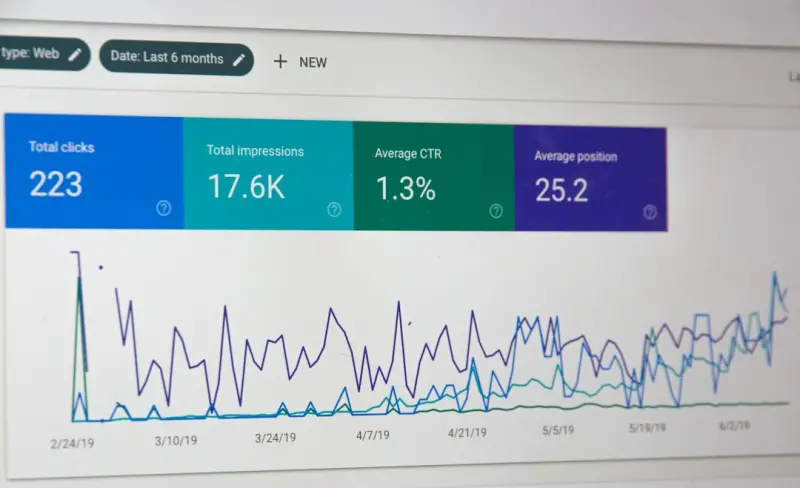
Google Search Console lets you filter performance data by country. Use this to answer three critical questions each month:
- Which locales are driving the most impressions? Focus content expansion there.
- Are there any unexpected drops in click‑through rates? Check for hreflang misconfigurations.
- Which pages are being indexed in the wrong region? A quick “URL Inspection” will reveal the language detection Google applied.
Set up separate “property” views for each subdirectory (e.g., example.com/fr/) if you want granular reporting. This also makes it easier to spot indexing errors that could affect multiple markets.
Preparing for Future Search Innovations
The SEO landscape is evolving fast. Google’s AI‑driven answer engines, the rise of entity‑first SEO, and the increasing importance of user intent mean that the technical groundwork you lay today will pay dividends tomorrow. By standardizing hreflang, optimizing CDN performance, and investing in localized structured data, you’re future‑proofing your SaaS site for the next wave of search experiences.
In short, think of international technical SEO as the invisible scaffolding that lets your product shine on a global stage. It’s not a one‑and‑done checklist; it’s a continuous, data‑driven process that aligns engineering, product, and marketing teams around a shared goal: making sure the right user in the right country finds the right version of your SaaS solution—quickly and effortlessly.
Ready to take the plunge? Start by auditing your current hreflang setup, map out a CDN strategy that covers your target regions, and schedule a structured‑data sprint for your top‑performing pages. The world is waiting, and the technical SEO foundations you build today will be the runway for tomorrow’s growth.

Becky Putman is an Ottawa-based freelance writer and marketing professional with a passion for storytelling, animals, and community involvement. She enjoys creating engaging content that informs, inspires, and connects with readers.
Related Posts

Cross‑Border Technical SEO: A SaaS Engineer’s Roadmap to Global Visibility
A practical guide for SaaS engineers on scaling technical SEO globally, covering hreflang, CDN, craw... Read More
Technical SEO in the Age of AI: How to Stay Ahead of the Curve
Technical SEO is evolving rapidly with AI and machine learning. Learn how to stay ahead of the curve... Read More

Technical SEO: The Backbone of Modern Search Engine Optimization
Technical SEO plays a crucial role in ensuring that your website is crawlable, indexable, and provid... Read More
Top Posts

Why SERPs Are the Real Battleground in 2024 – Kelly Reynolds' Playbook
In 2024, SERPs have become the fiercest arena for brands. Kelly Reynolds shares her insider playbook, highlighting AI‑driven features, mobile nuances, and pro...Read More

Why 2024 is the Year eCommerce Becomes an Experience, Not Just a Transaction
2024 transforms eCommerce into a curated journey, where personalization, social shopping, and transparency turn transactions into lasting brand experiences....Read More

Designing Ethical Social Communities for Sustainable Brand Growth
Learn a step‑by‑step blueprint for creating ethical social media communities that foster trust, transparency, and sustainable growth for your brand....Read More

From Docs to SERPs: Mining Your SaaS Knowledge Base for SEO Wins
Turn your internal documentation into a search‑engine magnet. Learn a step‑by‑step framework to optimize, technical‑tune, and scale knowledge‑base con...Read More
0 Comments
Post Comment
You will need to Login or Register to comment on this post!