

Why Storytelling Is the Missing Link in Your SaaS Social Strategy
When I first stepped into the world of B2B SaaS marketing, I was taught to obsess over metrics, funnels, and conversion rates. Those are essential, no doubt. But after a few years of chasing clicks, I realized something was still off: prospects weren’t just buying a product; they were buying a story. The narrative we weave on social platforms is the bridge between cold leads and loyal advocates.
The Myth of the “Feature‑First” Feed
Most SaaS brands treat their social accounts like digital billboards, plastering screenshots, release notes, and feature checklists across LinkedIn, Twitter, and even TikTok. While these posts are informative, they rarely spark a genuine emotional response. The feature‑first approach assumes that logic alone will close a deal, ignoring the fact that buying decisions—especially at the enterprise level—are driven by trust, relevance, and the desire to be part of something larger.
Think about the last time you shared a post because it made you laugh, feel inspired, or reminded you of a personal challenge you overcame. That emotional trigger is what we need to replicate for our SaaS audience, only we must align it with their professional aspirations.
Humanizing Complex Solutions: A Three‑Step Framework
To shift from a feature‑centric feed to a storytelling powerhouse, I use a three‑step framework that I call Humanize‑Connect‑Elevate. Each step is designed to surface the human element hidden behind lines of code and data pipelines.
- Humanize: Identify the real people behind the problem your software solves. Who are they, what are their daily frustrations, and what personal values drive their decisions?
- Connect: Craft narratives that mirror those frustrations and aspirations, positioning your product as a partner in their journey rather than a mere tool.
- Elevate: Showcase outcomes through stories of transformation—case studies, user‑generated content, and even behind‑the‑scenes glimpses of your own team’s challenges and triumphs.
Step 1 – Humanize: Meet the Personas Behind the Dashboard
Start by building persona stories that go beyond job titles. For a typical SaaS solution, you might have:
- The Operations Optimizer – A VP of Operations who battles siloed data and endless spreadsheets.
- The Growth Hacker – A Head of Marketing desperate to prove ROI on every campaign.
- The Security Sentinel – A Chief Information Officer whose nights are spent worrying about data breaches.
Interview real customers, read their LinkedIn posts, and listen to the language they use. Capture anecdotes: “I spent three days manually reconciling reports before we adopted XYZ platform.” Those nuggets become the raw material for authentic social storytelling.
Step 2 – Connect: Turn Pain Points into Relatable Mini‑Stories
Now, translate those anecdotes into bite‑size stories that fit the rhythm of each platform. On LinkedIn, a 150‑word narrative works; on Instagram, a carousel of images with concise captions; on Twitter, a threaded tweet series.
Example LinkedIn post:
“Three days, 30 tabs, and a looming deadline. That was my reality until we re‑engineered our reporting workflow. The first week after switching to Our SaaS, my team cut reporting time by 70 % and reclaimed precious evenings for strategic planning. #WorkLifeBalance #DataOps”
Notice the structure:
- Hook: A vivid snapshot of the struggle.
- Conflict: The impact of the problem.
- Resolution: The transformation enabled by your solution.
- Human Touch: A personal benefit (evening free time).
This formula makes the post feel less like a sales pitch and more like a peer sharing a hard‑won lesson.
Step 3 – Elevate: Amplify Success Through Community Voices
Stories are more persuasive when they come from multiple sources. Encourage customers to share their own journeys via:
- User‑generated videos: Short clips of a client describing the “day in the life” before and after your product.
- Customer takeovers: Let a power user run your Instagram Stories for a day, showing real‑world usage.
- Employee anecdotes: Your own developers or support reps can narrate challenges they solved for customers, reinforcing authenticity.
When you feature these voices, you’re not just showcasing happy customers—you’re building a chorus of proof that resonates across decision‑maker hierarchies.
Integrating Data‑Driven Insight Without Losing the Narrative
Storytelling doesn’t mean abandoning data. In fact, the most compelling narratives are backed by measurable outcomes. Pair each story with a concise KPI—reduction in churn, increase in pipeline velocity, or cost savings. This hybrid approach satisfies both the analytical mind and the emotional heart.
For teams that thrive on real‑time metrics, consider incorporating data‑driven social sequencing into your workflow. By analyzing which story formats generate the highest engagement, you can iteratively refine your narrative cadence without turning the process into a cold test.
The Role of Quick‑Fire Experiments
Even the best‑crafted story benefits from quick‑fire social tests. Deploy a series of micro‑variations—different headlines, visual styles, or call‑to‑action phrasing—over a week. Track engagement spikes, comment sentiment, and click‑through rates. The insights guide you toward the most resonant narrative elements, ensuring your storytelling remains both authentic and optimized.
Choosing the Right Platforms for Narrative Depth
Not every platform suits every story type. Here’s a quick guide:
- LinkedIn: Long‑form professional stories, case studies, and thought leadership.
- Twitter: Threaded micro‑stories, real‑time updates, and industry commentary.
- Instagram & TikTok: Visual behind‑the‑scenes, user‑generated clips, and quick success snapshots.
- YouTube: In‑depth customer interviews, product walkthroughs woven into narrative arcs.
Align the story’s complexity with the platform’s consumption habits. A 3‑minute “day‑in‑the‑life” video thrives on YouTube, while a 30‑second success highlight shines on TikTok.
Measuring Narrative Impact: Beyond Likes and Shares
Traditional social metrics—likes, shares, follower count—are still useful, but they don’t capture the full ROI of storytelling. Add these deeper indicators:
- Intent Signals: Clicks on “Learn More” links embedded within stories, indicating genuine interest.
- Lead Quality: Conversion rates from story‑driven landing pages versus generic traffic.
- Advocacy Index: Number of customers who voluntarily tag your brand or post about your solution.
- Retention Correlation: Track whether customers who engaged with brand stories have higher renewal rates.
When you tie narrative engagement to these business outcomes, you can clearly articulate the financial value of social storytelling to stakeholders.
Scaling Storytelling Without Diluting Authenticity
As your SaaS scales, maintaining a genuine voice can feel daunting. Here are three tactics to keep the narrative engine humming:
- Story Playbooks: Create a template library that outlines the hook‑conflict‑resolution structure, allowing any marketer or community manager to craft consistent stories quickly.
- Community Curation: Appoint brand ambassadors—power users or industry influencers—to co‑create content. Their organic voice adds credibility while lightening your production load.
- Automation with a Human Touch: Use social scheduling tools for distribution, but schedule regular “human review” windows to ensure each post still feels personal.
Case Study: From Feature Posts to Narrative Wins
One of our SaaS clients—an enterprise analytics platform—shifted from posting daily feature screenshots to a story‑centric approach. Within three months, they saw:
- +45 % increase in post engagement (comments & shares).
- +28 % lift in qualified leads originating from LinkedIn.
- Higher brand sentiment scores in social listening tools.
The catalyst? A series titled “From Data Chaos to Clarity,” where each episode highlighted a real customer’s workflow before and after implementing the platform. The narrative not only educated prospects but also celebrated the customers, turning them into brand advocates.
Practical Checklist for Your Next Social Story
Before you hit “publish,” run through this quick audit:
- Did I identify a real persona and their pain point?
- Is the story anchored in a specific, relatable moment?
- Do I include a measurable outcome (e.g., time saved, revenue gained)?
- Have I chosen the optimal platform for the story’s length and format?
- Is there a clear, non‑salesy call‑to‑action that invites deeper engagement?
- Did I tag a customer or employee to add authenticity?
Final Thoughts: Storytelling Is Not a One‑Off Campaign
Authentic social storytelling is a marathon, not a sprint. It requires continuous listening, iterative testing, and a willingness to let your customers take the stage. When you shift the focus from “What does our product do?” to “How does our product change lives?” you’ll find that your social strategy becomes a genuine growth engine—one story at a time.

Becky Putman is an Ottawa-based freelance writer and marketing professional with a passion for storytelling, animals, and community involvement. She enjoys creating engaging content that informs, inspires, and connects with readers.
Related Posts

Navigating the Social Strategy Frontier: Tom Ferguson’s 2024 Playbook
Tom Ferguson shares a forward‑thinking social strategy roadmap for 2024, covering community‑firs... Read More
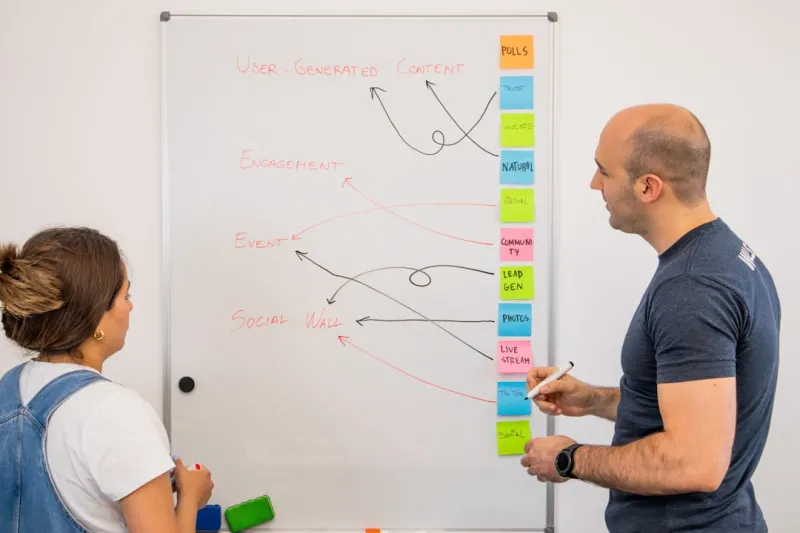
Human‑Centric Social Strategy: Turning Talk into Conversions
A deep dive into how human‑centric social tactics transform casual talks into measurable conversio... Read More
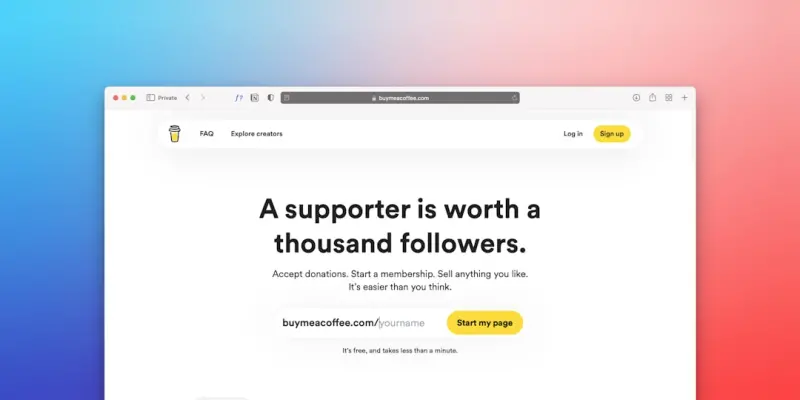
The Rise of Social‑Data Loops: Turning Conversations into Product Wins
Learn to build a social‑data loop that captures micro‑community conversations, fuels rapid produ... Read More
Top Posts

Optimizing for the Small Screen: The Rise of Mobile SEO
Mobile SEO is no longer a nicety, but a necessity for businesses looking to remain competitive in the digital age. Learn how to optimize your website for the sm...Read More

Decoding Server Log Files: The Hidden SEO Blueprint for SaaS Platforms
Server logs reveal every interaction Googlebot has with your SaaS site. This post shows how to collect, filter, and analyze those logs to fix crawl budget leaks...Read More
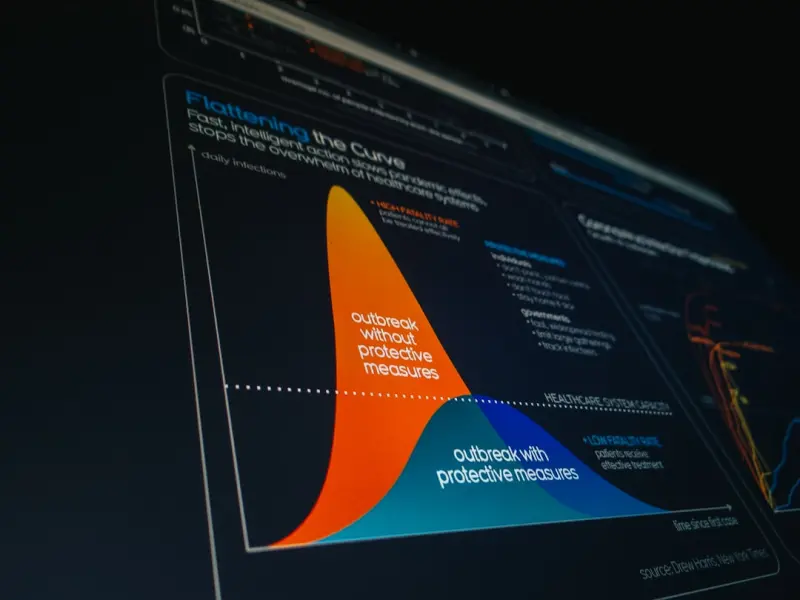
From Zero‑Party Data to Predictive AI: Crafting the Future‑Ready Digital Marketing Engine
Explore a fresh approach to digital marketing that leverages zero‑party data and AI predictions, delivering hyper‑personalized experiences and smarter measu...Read More

Employee Advocacy: How SaaS Teams Can Become Social Media Superstars
Employee advocacy transforms every team member into a brand ambassador, amplifying reach, credibility, and lead generation on social media for SaaS companies....Read More
0 Comments
Post Comment
You will need to Login or Register to comment on this post!