Why Your Technical Documentation Is the Secret Weapon You’ve Ignored
Most SaaS marketers treat documentation as a support afterthought—a place to dump FAQs, API references, and onboarding guides. In reality, those pages are prime real estate for attracting authoritative backlinks. When developers, analysts, or even journalists cite a clear, comprehensive guide, they hand you a vote of confidence that search engines love. The trick is to structure, promote, and protect that content so it becomes a magnet for natural links, rather than a dusty corner of your site.
From Static PDFs to Living Knowledge Bases
Static PDFs used to dominate the tech‑doc space, but they’re a nightmare for SEO. Search engines can’t crawl them efficiently, and they rarely get linked because they’re hard to reference inline. The modern approach is a living knowledge base built on a robust CMS that supports versioning, schema markup, and easy sharing. By converting every PDF into an HTML page with proper headings, tables, and code snippets, you create pages that are instantly indexable and link‑friendly.
Designing Docs With Linkability in Mind
Not every doc will attract a backlink, but you can dramatically increase the odds by:
- Solving a niche problem. Content that answers a specific, hard‑to‑find question is more likely to be cited.
- Embedding rich media. Diagrams, interactive demos, and short videos increase dwell time and shareability.
- Using structured data. Markup your API endpoints with
schema.orgTechArticleandSoftwareSourceCodeso search engines understand the context. - Providing downloadable assets. Offer sample datasets, SDKs, or code snippets that others can embed in their own work, earning you a backlink in the process.
Leverage Community‑Driven Platforms for Amplification
Technical communities on Reddit, Stack Overflow, and niche forums thrive on high‑quality references. When you publish a well‑crafted guide, actively share it in relevant threads—always with a focus on helping, not spamming. The more your doc answers real questions, the higher the chance someone will link back in their answer or blog post.
Turn Customer Success Stories Into Link‑Generating Assets
Every time a customer achieves a measurable outcome using your product, you have an opportunity to craft a case study that doubles as a link‑bait piece. Publish the case study on your site, then reach out to industry publications, analyst firms, and even the customer’s own press channels. When they reference your case study, you earn a high‑authority backlink that also showcases real‑world ROI.
Collaborate With Influencers Outside the SEO Bubble
Think beyond traditional SEO influencers. Data scientists, product managers, and even financial analysts often write thought leadership pieces that require credible sources. Offer to co‑author a whitepaper or provide exclusive data from your platform. When they publish, they’ll link back to the source material—your documentation.
Use API Documentation As a Link Magnet
API docs are gold for developers seeking integration guidance. By ensuring your API reference is developer‑first—complete with example requests, error handling tables, and sandbox environments—you encourage other SaaS platforms to reference your API when describing similar functionality. Those references translate directly into backlinks from tech blogs and partner sites.
Promote Your Docs Through Earned Media
When you launch a major feature, craft a press release that includes a link to the dedicated documentation page. Journalists covering industry trends love to link to primary sources, and a well‑structured doc page signals authority. Additionally, pitch the story to niche newsletters and podcasts that focus on your vertical; a mention in their show notes is another valuable backlink.
Measure Success With the Right Metrics
Traditional SEO metrics—organic traffic, keyword rankings—still matter, but for doc‑centric link building you’ll want to track:
- Referral domains. The number of unique domains linking to your docs.
- Link velocity. How quickly new backlinks appear after publishing a doc.
- Engagement metrics. Time on page and scroll depth indicate content quality.
- Conversion paths. Whether visitors from doc links proceed to sign‑up or trial.
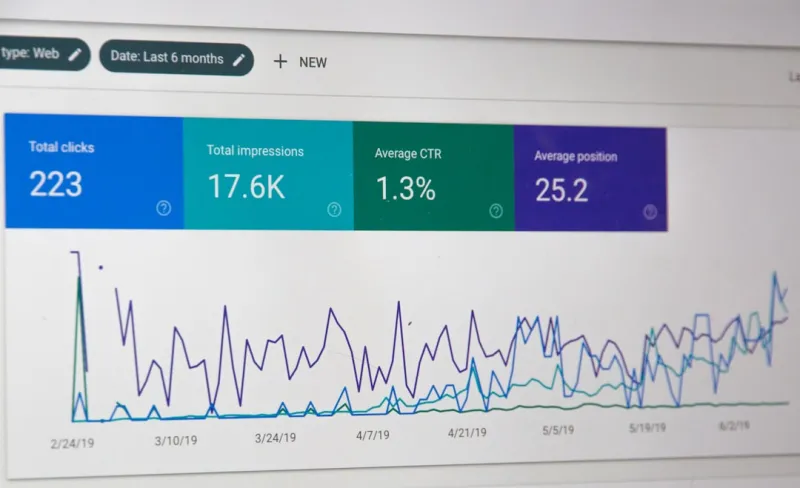
Tools like Ahrefs or Moz can surface new backlinks, while Google Search Console reveals which docs are gaining impressions and clicks.
Guard Your Docs Against Spam and Link Decay
High‑quality docs attract legitimate links, but they can also become targets for spammy backlinks. Regularly audit your backlink profile using a disavow file if necessary. Additionally, keep your documentation up‑to‑date; outdated pages not only frustrate users but also cause linking sites to remove their references, eroding link equity.
Integrate Link‑Building Into Your Content Workflow
Make documentation a standing agenda item in your product roadmap. When a new feature rolls out, assign a writer to produce a link‑focused doc. Simultaneously, brief your outreach team on potential link targets—technical blogs, industry analysts, and community sites. This ensures that every new doc has an immediate link‑building plan attached.
Case Study: How One SaaS Turned Its API Docs Into a Backlink Engine
Company X revamped its API reference by adding interactive “Try It Now” sandboxes, detailed error‑code explanations, and real‑world integration examples. Within three months, the doc pages earned 45 new referring domains, including major tech publications and developer newsletters. Traffic to the API docs rose 120%, and the inbound links contributed to a 15% lift in overall domain authority, boosting organic rankings for product‑related keywords.
Future‑Proofing: Pair Docs With Emerging Search Trends
Search is evolving toward AI Search Assistants and Zero‑Click SEO. Well‑structured, schema‑rich documentation is primed for these formats. By answering queries directly in the SERP, you can capture visibility even when users don’t click through, while still earning the backlinks that reinforce your authority.
Wrap‑Up: Turning Docs Into a Sustainable Link‑Building Engine
When you treat technical documentation as a strategic SEO asset—not just a support tool—you unlock a steady stream of high‑quality backlinks. The process is systematic: create link‑ready content, amplify it through communities and earned media, monitor performance, and protect your equity. In the long run, your docs become a self‑sustaining link magnet that fuels growth for your SaaS brand.

Paul Gray is a dynamic blogger based in Brampton, where he shares his life with his amazing wife, Sarah. Known for his engaging writing style and relatable insights, Paul has carved out a niche in the blogging world that resonates with readers from all walks of life. When he's not crafting captivating posts, you can find him savoring a cold beer or indulging in the latest blockbuster movie. With a friendly demeanor and a passion for storytelling, Paul brings a unique perspective to his work, making him not just a blogger, but a voice for those who appreciate the simple joys of life.
Related Posts

The Power of Interactive Tools: A New Frontier for SaaS Link Building
Interactive tools like calculators and assessments transform static content into link‑worthy asset... Read More

Personalized Link Building: Turning Data Into High‑Authority Backlinks for SaaS
Discover a data‑centric approach to link building that replaces generic outreach with personalized... Read More

David MacKinnon’s Blueprint for Sustainable Link Building in 2024
David MacKinnon shares a modern link building playbook that balances quality backlinks, relationship... Read More
Top Posts

Immersive Commerce: The AR/VR Wave Reshaping Online Shopping
AR and VR are no longer futuristic novelties; they’re becoming essential tools for reducing returns, boosting conversions, and deepening loyalty. This post ou...Read More

Personalized SEO: Crafting Intent‑First Content Clusters for Future‑Ready Rankings
Learn why personalization is the new SEO backbone and how to build intent‑first content clusters that boost relevance, engagement, and rankings....Read More

Social Listening Meets Micro‑Influencers: A Data‑Driven Blueprint for Real‑Time ROI
Discover how to turn live social insights into authentic micro‑influencer collaborations and measurable ROI with a step‑by‑step, data‑first blueprint....Read More
The Evolution of SEO: How to Stay Ahead in a Rapidly Changing Landscape
The evolution of SEO is a rapidly changing landscape. Learn how to stay ahead with the latest trends and best practices in technical SEO, content quality, and u...Read More
0 Comments
Post Comment
You will need to Login or Register to comment on this post!