

When most marketers think about link building, the mental image is often a frantic outreach campaign—cold emails, guest posts, and a spreadsheet full of “target sites.” That approach still works, but it’s also getting stale. In the fast‑moving B2B SaaS world, the most resilient links now come from genuine collaboration, shared data, and mutual value creation. In this post, I’m pulling back the curtain on a strategy that’s been quietly reshaping my clients’ backlink profiles: co‑creating research and data partnerships. This isn’t just another “guest post” checklist; it’s a playbook for turning data into a magnet for high‑authority links, brand credibility, and, ultimately, qualified pipeline.
Why Data Partnerships Beat Traditional Outreach
Traditional outreach relies heavily on the “ask” mentality: “Hey, can you link to my article?” By contrast, a data partnership begins with an offer. You bring something to the table—original research, benchmarks, or industry‑specific insights—that the partner can instantly use to enrich their own content. The result is a link that feels earned, not begged.
- Authority by association: When a well‑known research firm or industry analyst cites your data, their endorsement carries weight far beyond a typical backlink.
- Evergreen relevance: Data sets, especially those updated annually or quarterly, remain valuable long after the initial publication, providing a lasting source of inbound links.
- Reciprocal traffic: Both parties promote the co‑authored study to their audiences, driving qualified visitors in both directions.
Think of it as the SEO equivalent of a joint venture: you’re pooling resources to create something greater than the sum of its parts, and the link equity is just the natural by‑product.
The Blueprint: From Idea to Published Study
Below is a step‑by‑step roadmap that I’ve refined over the past few years. It works whether you’re a solo founder or part of a 500‑person SaaS company.
1. Identify a High‑Impact Topic
Start with a pain point that resonates across your target market. Use tools like Google Trends, industry forums, and internal customer success logs to surface recurring questions. The sweet spot is a topic that:
- Has a quantifiable component (e.g., adoption rates, ROI figures, churn benchmarks).
- Is under‑reported or outdated in existing publications.
- Aligns with your product’s core value proposition, ensuring you can provide authentic data.
For example, if you run a B2B SaaS platform that automates contract management, a study titled “The True Cost of Manual Contract Review Across Fortune 500 Companies” could be a gold mine.
2. Scout Potential Partners
Look for organizations that already publish research or maintain resource hubs. Ideal candidates include:
- Industry analysts (Gartner, Forrester) – though they’re harder to crack, a citation from them is priceless.
- Trade associations and professional bodies.
- Complementary SaaS vendors (e.g., a CRM provider partnering with a document‑automation tool).
- Academic institutions and business schools.
When you reach out, frame the conversation around the mutual benefit: “We have X data points that can complement your annual report. Let’s co‑author a study and both publish it.”
3. Design a Rigorous Methodology
Transparency is key. Draft a methodology document that outlines:
- Sample size and selection criteria.
- Data collection methods (surveys, API‑derived metrics, third‑party datasets).
- Statistical techniques used for analysis.
- Limitations and assumptions.
Not only does this boost credibility, but it also provides the partner with ready‑to‑use “methodology” sections for their own content, which they’ll be eager to link back to.
4. Collect and Analyze the Data
Leverage your product’s analytics, CRM, or even a dedicated survey platform. Ensure you anonymize any sensitive information to stay compliant with privacy regulations. Once you have the raw numbers, turn them into compelling visuals: bar charts, heat maps, and interactive dashboards.
Remember, visual assets are link‑magnet material. A well‑designed infographic can earn links from blog posts, news articles, and even slide decks on platforms like SlideShare.
5. Draft the Co‑Authored Report
Work with your partner’s content team to blend voices. A joint by‑line (e.g., “Research by Company A and Industry Association B”) signals equal ownership and encourages both audiences to share.
Structure the report for easy consumption:
- Executive summary (quick takeaways).
- Methodology.
- Key findings with supporting charts.
- Actionable recommendations.
- Appendix with raw data (optional, but valuable for data‑hungry readers).
6. Publish on Dual Platforms
Both parties should host the report on their own domains, each with a canonical tag pointing to the primary version. This approach yields two authoritative URLs that can each attract inbound links. Make sure each page includes a clear <rel="canonical"> implementation to avoid duplicate content penalties.
7. Amplify the Launch
Leverage every channel you have:
- Email newsletters: Segment lists to target those most likely to find the data relevant.
- Social media: Share key snippets, tag the partner, and use relevant industry hashtags.
- Webinars: Host a live walkthrough of the findings, inviting both your audience and the partner’s.
- PR outreach: Pitch the study to industry publications, offering exclusive quotes.
Each piece of promotion naturally creates link‑building opportunities—journalists will reference the study, bloggers will embed the infographic, and analysts will cite the numbers in their own reports.
Case Study: Turning a Benchmark Survey into a Link‑Building Engine
One of my recent clients, a cloud‑based project management platform, wanted to boost its domain authority without resorting to “spammy” guest posts. We identified a gap: there was no recent, comprehensive benchmark on project‑team velocity across remote‑first companies. Here’s how the partnership unfolded:
- Topic selection: Remote work trends were surging, yet few data points existed on how distributed teams measured velocity.
- Partner: A well‑known remote‑work advocacy group that publishes an annual “State of Remote Work” report.
- Methodology: Conducted a survey of 2,500 project managers using a mix of our platform’s anonymized usage data and direct questionnaire responses.
- Findings: Discovered that teams using automated task‑dependency mapping completed sprints 22% faster on average.
- Publication: The study was released simultaneously on the SaaS company’s blog and the advocacy group’s research portal.
- Results:
- Over 120 external sites linked to the report within the first month, including three major tech news outlets.
- The partner’s report saw a 35% increase in inbound traffic from our product’s user base.
- The client’s domain authority rose by 4 points in just 90 days.
This example illustrates that a well‑executed data partnership can generate a cascade of high‑quality backlinks, all while positioning your brand as a thought leader.
Integrating Data Partnerships with Existing SEO Tactics
Don’t view data partnerships as a siloed activity. They mesh beautifully with other SEO strategies you might already be employing:
- Link‑worthy content hubs: Host a “Research Library” on your site where every co‑authored study lives. This creates an internal linking structure that passes authority to related product pages.
- Zero‑Click SEO: Summarize key statistics in a concise table or FAQ schema markup. Search engines love quick answers, and you can capture visibility without a click while still driving traffic to the full report. (See Zero‑Click SEO for deeper tactics.)
- Technical documentation as link magnets: If your product includes APIs, embed reference links to the study in your docs. It’s a subtle way to attract developers who appreciate data‑driven insights. (For inspiration, read Turning Technical Docs into Link Magnetism.)
- Community sponsorships and podcasts: When you co‑publish a report, you can also sponsor a niche community event or appear on a podcast to discuss the findings, further amplifying link opportunities. (Check out Unlocking Authority Through Niche Community Sponsorships and Podcast Guesting for complementary ideas.)
Overcoming Common Hurdles
While data partnerships are powerful, they’re not without challenges. Here’s how to navigate the typical roadblocks:
Finding Willing Partners
Many organizations are protective of their audience. Offer a clear value proposition: you’ll provide exclusive data, promote the partner’s brand, and handle the heavy lifting of research design. Start with smaller, niche groups—they’re often more open to collaboration and can become springboards to larger alliances.
Ensuring Data Quality
Low‑quality data can damage both reputations. Invest in robust data‑validation processes, and consider third‑party verification if you’re dealing with high‑stakes metrics. Transparency in methodology helps mitigate skepticism.
Balancing Brand Voice
Joint content can feel disjointed if the two brands have wildly different tones. Conduct a brief “voice workshop” with the partner’s editorial team early on to align on language, terminology, and the overall narrative flow.
Managing Timeline Expectations
Research takes time—especially when coordinating with external parties. Set realistic milestones (e.g., “survey launch,” “data analysis,” “draft review”) and communicate them clearly. A well‑planned timeline prevents bottlenecks and keeps momentum high.
Measuring Success: Metrics That Matter
Beyond the obvious increase in backlink count, track these KPIs to gauge the true impact of your data partnership:
- Referral traffic quality: Use UTM parameters to see which partner sources drive the most engaged visitors (time on page, conversion rate).
- Domain authority lift: Monitor changes in DA or equivalent metrics on a monthly basis.
- Search visibility: Check rankings for target keywords before and after the study’s publication.
- Earned media mentions: Count citations in news articles, analyst reports, and industry newsletters.
- Lead generation: Track form submissions or demo requests that reference the study (e.g., “I read the Remote Velocity report”).
These data points will help you refine future partnerships and prove ROI to stakeholders.
Future‑Proofing Your Link‑Building Strategy
Search engine algorithms continue to evolve, rewarding authenticity, expertise, and trustworthiness. Data partnerships hit all three pillars:
- Authenticity: You’re providing original, verifiable data.
- Expertise: Collaborative research signals deep industry knowledge.
- Trustworthiness: Partnerships with respected institutions add credibility.
By weaving co‑created research into your broader SEO and content roadmap, you’ll build a backlink portfolio that’s resilient to algorithmic shifts and valuable to your target audience.
Ready to start? Identify a data gap, reach out to a potential partner, and let the numbers do the heavy lifting. Your next high‑authority link could be just a spreadsheet away.

Paula Wright writes from her home in Toronto Ontario, where she lives with her husband, Steve, and their two children. Driven by curiosity and a passion for storytelling, Paula loves to uncover the "why" and "how" behind every topic she covers. Her writing is fueled by her adventures; when she’s not at her desk, you’ll find her out on the road, camping under the stars, or wandering a new trail. Paula brings a sense of discovery and a fresh, real-world perspective to everything she writes for us.
Related Posts

Link Building in 2024: Nikki McDonald’s Playbook for Sustainable Growth
Nikki McDonald shares her 2024 link‑building playbook, emphasizing quality over quantity, strategi... Read More

Rose DesRochers’ 2024 Link‑Building Playbook: Quality Over Quantity
Rose DesRochers reveals a 2024 link‑building blueprint focused on quality, mobile readiness, and g... Read More

How Podcasts Can Supercharge Your SaaS Link Building Strategy
This post reveals why podcasts are an untapped gold mine for SaaS link building, offering a practica... Read More
Top Posts

The Untapped Power of Employee Advocacy on Social Media for SaaS Brands
Learn why employee advocacy is the missing piece in your SaaS social strategy, how to launch a genuine program, and which metrics truly matter for growth....Read More

Turning Zero‑Party Data into Your eCommerce Superpower
Discover why zero‑party data is the new gold standard for eCommerce, how to gather it responsibly, and practical tactics to turn shopper preferences into pers...Read More
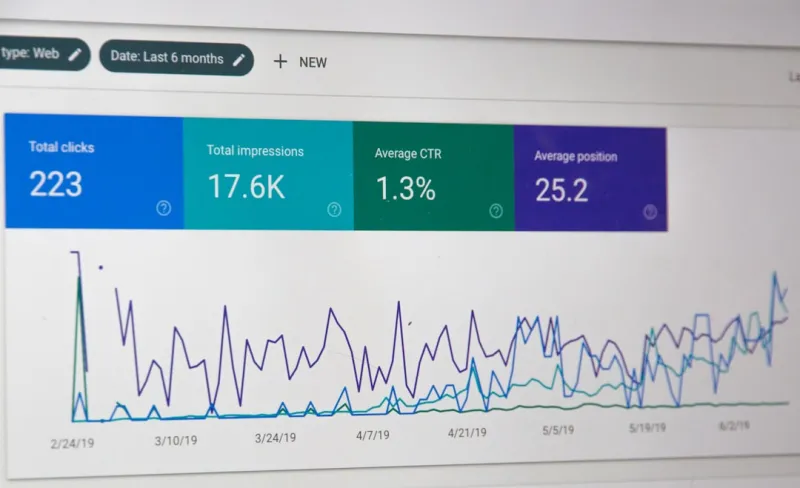
The Ever-Changing Landscape of SEO: What You Need to Know
The landscape of SEO is constantly evolving. Stay informed about the latest trends and best practices to improve your search engine rankings and drive more traf...Read More

Micro‑Community Funnels: Turning Niche Social Groups Into High‑Conversion Engines
Learn to turn niche social groups into powerful conversion funnels with tailored hooks, exclusive offers, and community‑driven social proof....Read More
0 Comments
Post Comment
You will need to Login or Register to comment on this post!