

Why Hyper‑Local Search is the Quiet Growth Engine You’ve Been Overlooking
When I first started consulting for tech‑savvy businesses, the conversation always drifted toward national rankings, backlink portfolios, and content calendars. It wasn’t until a client in a midsized town asked why their storefront‑style SaaS demo never showed up in nearby searches that I realized we were missing a whole layer of opportunity. The answer? Hyper‑local search visibility.
Think of it like a neighborhood coffee shop that knows exactly who lives two blocks away and who works across the street. Those intimate insights translate into digital signals that search engines love—if you know how to feed them. Below, I’ll walk you through a step‑by‑step framework that turns a seemingly small geographic footprint into a steady pipeline of qualified leads, all without the heavy‑handed tactics that dominate the broader SEO conversation.
1. Map the Real‑World Journey Before the Click
Most marketers start with keyword research, then build pages. I start with the physical journey a prospect takes before they ever type a query. Picture a sales manager who needs a demo for a regional compliance solution. Where do they look first?
- Local business directories – Not just the giant listings, but niche industry boards and chamber‑of‑commerce sites.
- Community forums – Neighborhood Slack channels, Reddit threads, and even Nextdoor groups where professionals discuss local vendors.
- Event calendars – Hackathons, meet‑ups, and trade shows that are geo‑targeted.
By cataloguing these touchpoints, you can reverse‑engineer the exact signals search engines use to deem a business “relevant nearby.” The result is a roadmap that informs every subsequent optimization move.
2. Leverage Structured Data for Neighborhood Relevance
Google’s Local Business schema is well‑known, but there’s a deeper set of properties that many overlook:
geoMidpoint– Pinpoints the exact latitude and longitude of your office, data‑center, or demo lab.serviceArea– Defines the towns, zip codes, or radius you actually serve, rather than a vague “worldwide.”hasMap– Embeds a dynamic map that updates automatically when you change locations.
Adding these tags to your landing pages signals to the search engine that you’re not just a generic SaaS provider; you’re a community‑centric solution that understands the nuances of its immediate market.
3. Build “Neighborhood Hubs” Instead of Traditional Landing Pages
Instead of a one‑size‑fits‑all product page, create a series of micro‑pages that each target a specific zip code or city district. These pages should contain:
- Localized testimonials from businesses in the area.
- Case studies that mention city‑specific challenges (e.g., “meeting the compliance standards of City X”).
- A calendar of upcoming local events where you’ll be presenting.
Because each hub is highly specific, you’ll naturally attract long‑tail queries like “data‑privacy SaaS in Midtown” or “CRM demo near Lakeview.” Search engines reward that relevance with prominent placement in the “nearby results” section.
4. Turn Your Help Center into a Geo‑Targeted Knowledge Base
Support articles are a goldmine for search visibility, especially when they answer hyper‑local questions. Consider a guide titled “How to Integrate Our API with the City of Springfield’s Open Data Portal.” Not only does this attract local tech teams, but it also generates inbound links from municipal websites.
To make the most of this strategy, embed localized schema in each article and cross‑link to the relevant neighborhood hub. This creates a semantic web that search engines can easily crawl and understand.
5. Earn Trust Through Community Sponsorships and Digital Badges
Traditional link‑building often focuses on industry blogs, but community sponsorships provide high‑authority, location‑specific backlinks. Sponsor a local tech meetup, a charity run, or a university hackathon, and ask the host to place a digital badge on their event page linking back to your site.
These backlinks carry two benefits:
- Relevance – The linking page is already contextually tied to your geographic focus.
- Authority – Educational and non‑profit domains often have strong domain authority, which passes “trust” to your pages.
When the badge appears in a rel="sponsored" attribute, it also tells search engines that the link is a partnership, not a manipulative backlink, preserving the integrity of your link profile.
6. Harness the Power of Hyper‑Local Reviews
Reviews remain a decisive ranking factor for nearby searches. However, most SaaS companies chase generic five‑star ratings on generic platforms. Instead, focus on niche, location‑aware platforms such as:
- Industry‑specific directories that allow city filtering.
- Regional business association sites.
- Google Business Profile (yes, even for SaaS, if you have a physical presence).
Encourage happy customers to mention the city or neighborhood in their review. Phrases like “the best data‑security SaaS in Riverdale” embed geo‑signals directly into the content that search engines parse.
7. Deploy “Proximity‑First” Content Marketing
When you publish a blog post, ask yourself: “Which local audience will find this most useful?” Write with that lens in mind. A post titled “Preparing for the Upcoming City‑wide Data‑Privacy Regulation” will attract local compliance officers and naturally rank for queries that include the city name.
To amplify reach, share the content in the same community forums identified earlier. When a local business leader reshapes the post in a community newsletter, you earn a contextual citation that further cements your local relevance.
8. Measure Success with Hyper‑Local Metrics
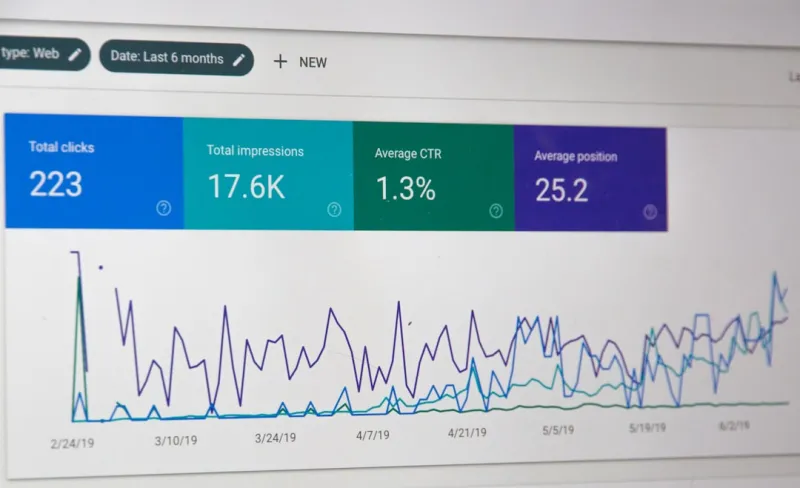
Traditional SEO dashboards focus on organic traffic and keyword rankings. For hyper‑local efforts, add these KPIs:
- Local Pack Impressions – How often your business appears in the “nearby results” box.
- Click‑through Rate from Geo‑Specific Queries – Track using Google Search Console’s “Performance” report filtered by location.
- Event‑Driven Leads – Leads generated from local meetups or webinars, attributed via UTM parameters.
These metrics give you a clear picture of how your neighborhood strategy is influencing the funnel, allowing you to double‑down on tactics that move the needle.
9. Future‑Proofing: Voice Search and “Near Me” Queries
Voice assistants are getting smarter about “near me” requests. A sales director might ask, “Find a SaaS compliance demo close to my office.” To capture that traffic, ensure your neighborhood hubs answer question‑style queries and include conversational phrasing.
Structure snippets like:
Q: Where can I find a CRM demo in Brookfield?
A: Visit our Brookfield demo center at 123 Main St. Schedule a live session here.
These concise answers are prime candidates for featured snippets, which voice assistants pull directly from.
10. Integrate Hyper‑Local Tactics with Your Larger SEO Blueprint
Hyper‑local optimization isn’t a silo; it complements broader SEO initiatives. For example, the semantic hub model can be layered on top of each neighborhood page, connecting them through topic clusters that reinforce authority across both local and industry dimensions.
By aligning your micro‑geographic pages with overarching content themes—like “data security” or “workflow automation”—you create a web of relevance that satisfies both the search engine’s need for topical depth and the user’s desire for local specificity.
Wrapping Up: Turn Proximity Into Profit
Hyper‑local search isn’t a fringe tactic for the boutique shop; it’s a scalable engine for any SaaS organization with a physical touchpoint—whether that’s an office, demo lab, or regional partner. By mapping real‑world journeys, embedding precise schema, crafting neighborhood hubs, and earning community trust, you transform a modest geographic footprint into a steady stream of high‑intent leads.
Start small: pick one zip code, build a dedicated hub, and track the lift in local pack impressions. Then replicate, refine, and watch your brand become the go‑to solution for every business in that area. In the world of search, proximity is power—harness it, and your growth will feel right at home.

Becky Putman is an Ottawa-based freelance writer and marketing professional with a passion for storytelling, animals, and community involvement. She enjoys creating engaging content that informs, inspires, and connects with readers.
Related Posts

Local SEO Secrets: Harnessing Community Voice for Real Rankings
Learn how to turn neighborhood stories, genuine reviews, and local influencer partnerships into powe... Read More

Empathy‑First Tactics to Supercharge Your Local SEO
Learn why listening to your neighborhood, crafting hyperlocal content, and using empathetic link‑b... Read More

Hyperlocal Content Hubs: A SaaS Playbook for Dominating Neighborhood Search
A deep dive into building hyperlocal content hubs that boost SaaS visibility in neighborhood searche... Read More
Top Posts
Local SEO in 2026: Authentic Strategies to Dominate Your Neighborhood
A fresh look at local SEO in 2026, combining AI tools, genuine community ties, and technical excellence to boost neighborhood visibility....Read More

Hyper‑Local SEO: Turning Neighborhood Nuance into Search Dominance
Learn how to turn street‑level cues, local reviews, and community influencers into powerful SEO signals that put your business at the top of neighborhood sear...Read More

Hyperlocal SERP Mastery: Winning the 5‑Mile Radius Game
A fresh playbook reveals how hyperlocal SERP features, real‑time inventory feeds, and community‑driven content can turn the 5‑mile radius into a gold mine...Read More

Human‑Centric Link Building: Turning Empathy Into Sustainable Authority
A fresh take on link building that prioritizes human connection over numbers, offering actionable strategies to earn authentic, high‑impact backlinks....Read More
0 Comments
Post Comment
You will need to Login or Register to comment on this post!