
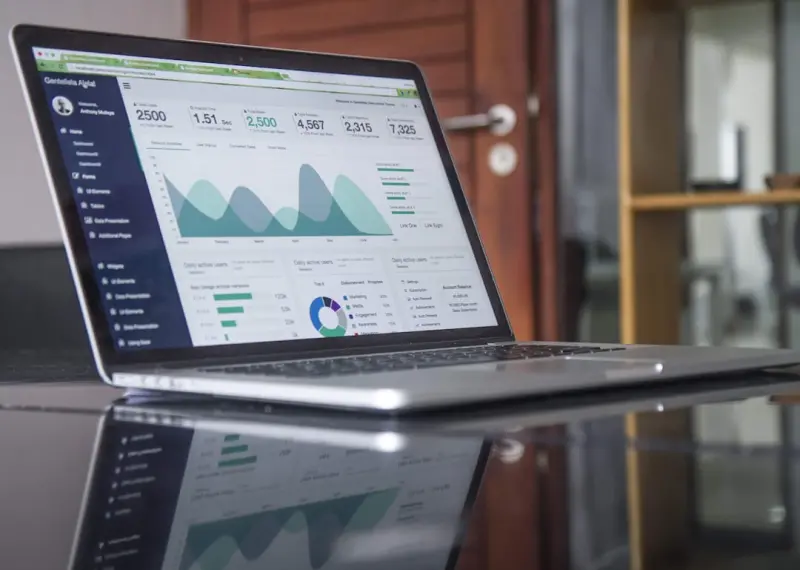
Why Your SaaS Success Stories Are the Secret SEO Weapon You’ve Ignored
When I first started pulling data from our analytics dashboard, I was shocked to see a consistent pattern: pages that featured real‑world customer outcomes attracted the longest dwell times, the lowest bounce rates, and the highest conversion rates. Yet, in many SaaS content libraries, those same pages sit under‑optimized, buried beneath generic product copy and thin meta tags. It’s time to treat customer success stories not just as sales collateral, but as a high‑impact SEO asset.
The hidden SEO value of authentic narratives
Search engines have gotten smarter. They now prioritize content that demonstrates expertise, authority, and trust (the famous E‑A‑T). A well‑crafted case study checks every box:
- Expertise: It shows that your product solves real problems in a specific industry.
- Authority: It cites measurable outcomes—revenue lift, churn reduction, time savings—backed by a verifiable client.
- Trust: It includes quotes, logos, and sometimes even video testimony, which Google can recognize as a signal of authenticity.
When you layer these narratives with strategic SEO tactics, they become magnetically attractive to both users and crawlers.
Step 1: Map success stories to the buyer’s journey
Every SaaS prospect walks a path from awareness to consideration, decision, and finally advocacy. Your case studies should mirror that journey. Instead of dumping them all into a “Resources” silo, categorize them by:
- Industry (e.g., fintech, healthtech, e‑learning)
- Problem solved (e.g., scaling onboarding, reducing manual data entry)
- Result type (e.g., cost reduction, revenue growth, compliance)
By aligning each story with a specific search intent, you make it easier for Google to surface the right case study for the right query. A prospect searching “how to reduce SaaS onboarding time” will find a case study that directly answers that question, boosting relevance and click‑through rates.
Step 2: Optimize the narrative structure for SEO
Think of each case study as a mini‑landing page. Follow a proven hierarchy:
- Compelling headline with target keyword. Instead of “Customer Success Story: Acme Corp,” use “How Acme Corp Cut Onboarding Time by 40% with XYZ Platform”.
- Intro paragraph that restates the search intent. Include the primary keyword within the first 100 words.
- Problem section. Use sub‑headings that incorporate secondary keywords (e.g., “Manual Data Entry Challenges”).
- Solution overview. Highlight product features in a natural, benefit‑focused way.
- Results with quantifiable metrics. Numbers are SEO gold because they often match the “featured snippet” format.
- Call‑to‑action. Guide the reader to a relevant next step—demo, free trial, or another case study.
Each section should be concise, scannable, and peppered with related terms (semantic synonyms). This approach not only pleases readers but also satisfies Google’s entity and topic relevance* algorithms.
Step 3: Harness the power of internal linking
Internal links are the circulatory system of your site. They pass link equity, help crawlers discover new content, and reinforce topical clusters. When you publish a new case study, link back to:
- Relevant product pages (e.g., the feature that drove the result).
- Thought‑leadership pieces that discuss the underlying challenge.
- Other success stories that address similar industries or outcomes.
For instance, if the case study showcases a solution that improves data synchronization, you might reference our deep dive on Crawl Budget Mastery for SaaS Websites to explain how efficient indexing supports real‑time data flow. Another strategic anchor could point to Structured Data Secrets, showing readers how to markup case study results for rich snippets.
Step 4: Leverage schema markup for maximum visibility
Google loves structured data. For case studies, the Article schema paired with Review or AggregateRating can generate rich results that stand out in SERPs. Here’s a quick checklist:
- Use
headlineanddescriptionfields that match your on‑page title and meta description. - Include
authorandpublisherinformation to reinforce credibility. - Mark the quantitative results with
valueandunitText(e.g., “40%” reduction). - Wrap client logos in
ImageObjectschema to help Google index them as brand mentions.
When done correctly, these snippets can appear as “how‑to” boxes, “featured stats,” or even “review ratings” that drive clicks without the need for a traditional organic ranking.
Step 5: Repurpose and amplify across channels
SEO doesn’t happen in a vacuum. Once your case study is live, feed it into other marketing engines:
- Email nurture sequences: Use a short excerpt and a link back to the full story.
- Social posts: Highlight the headline and a striking metric; include a UTM‑tagged link to capture traffic.
- Webinars: Invite the featured client to co‑host a session, then embed the recording on the case study page.
- Paid search remarketing: Target visitors who read the case study with a tailored ad for a free trial.
Each inbound link and social signal reinforces the page’s authority, nudging it higher in the rankings.
Step 6: Measure, iterate, and scale
Data is the compass that tells you whether your SEO investment is paying off. Track these key metrics:
- Organic impressions: Are more people seeing the case study in search?
- Click‑through rate (CTR): Are the rich snippets enticing clicks?
- Engagement metrics: Time on page and scroll depth indicate content relevance.
- Conversion rate: How many readers move to a demo or trial?
If a particular story underperforms, revisit the headline, add more quantitative data, or improve internal linking. Successful stories can be expanded into case study series, each targeting a different keyword cluster, thereby multiplying organic traffic.
Common pitfalls and how to avoid them
1. Over‑optimizing with keyword stuffing. Search engines penalize unnatural repetition. Keep the language natural and focus on readability.
2. Neglecting mobile performance. Even though we have a dedicated post on mobile‑first SEO, remember that a heavy case study page (large PDFs, videos, or images) can hurt load speed, eroding rankings.
3. Forgetting to update stale data. SaaS metrics evolve quickly. Revisit case studies quarterly to ensure numbers reflect the latest outcomes.
4. Ignoring accessibility. Use alt text for client logos and transcripts for video testimonials. This not only broadens your audience but also provides additional textual signals for crawlers.
Future‑proofing your case‑study SEO strategy
Looking ahead, two trends will make success stories even more potent:
- AI‑enhanced summarization. Tools that auto‑generate concise bullet‑point summaries can feed into featured snippets and voice assistants.
- Visual search integration. As Google Lens matures, embedding high‑resolution infographics with clear
imagetags will allow prospects to discover case studies through visual queries.
By building a foundation now—optimizing content, leveraging schema, and establishing strong internal links—you’ll be ready to ride those waves without a hitch.
Bottom line: Turn every happy customer into a ranking asset
Customer success stories are more than brag‑sheet material; they’re a goldmine of SEO‑friendly content that can drive qualified traffic, improve brand trust, and accelerate the SaaS buying cycle. Treat them with the same rigor you apply to product pages—research keywords, structure the narrative, markup the data, and amplify across channels. The result? A steady stream of organic leads that come in already convinced that your solution works.

Tammy French is a Montessori Teaching Assistant and freelance writer passionate about education, creativity, and inspiring lifelong learning through engaging content.
Related Posts
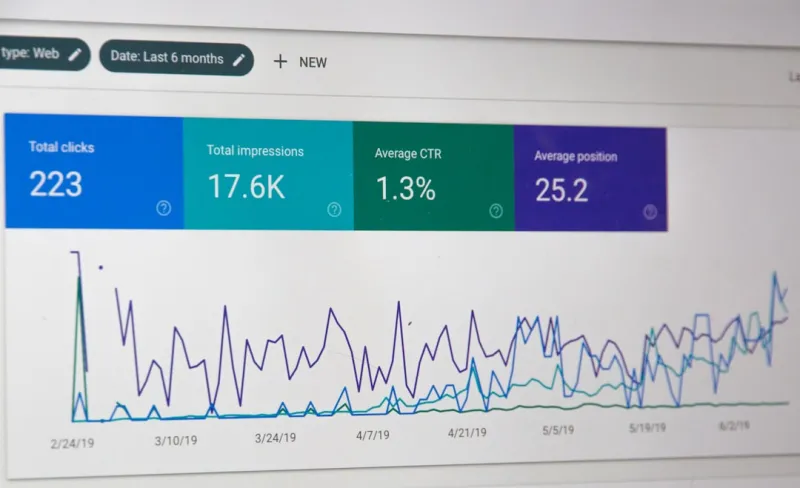
The Ever-Changing Landscape of SEO: Strategies to Stay Ahead
The landscape of SEO is constantly evolving. Stay ahead with the latest strategies and best practice... Read More

How Interactive Demos Can Supercharge Your SaaS SEO
Interactive tools like demos, calculators, and quizzes not only boost user engagement but also enhan... Read More

Voice Search Optimization: A SaaS Playbook for Conversational Rankings
Discover a step‑by‑step guide to optimize your SaaS site for voice search, from crafting convers... Read More
Top Posts

The Evolution of SEO: How to Stay Ahead in 2024
The world of SEO is constantly evolving. Stay ahead in 2024 with the latest trends, strategies, and best practices. Learn how to leverage AI, user experience, a...Read More
Turn Customer Success Stories into SEO Powerhouses
Customer success stories aren’t just sales collateral—they’re untapped SEO gold. Learn a step‑by‑step approach to optimize case studies, earn natural ...Read More

The Evolution of Technical SEO: Navigating the Ever-Changing Landscape
The world of technical SEO is constantly evolving. Learn how to navigate the ever-changing landscape and optimize your website for better online visibility with...Read More

The Future of eCommerce: How to Stay Ahead in a Rapidly Changing Landscape
The eCommerce landscape is shifting rapidly. Stay ahead of the curve with the latest trends and strategies. Learn how to optimize your online store for success ...Read More
0 Comments
Post Comment
You will need to Login or Register to comment on this post!