

Why Audio‑First Platforms Are Gaining Momentum
In the last few years, the social media landscape has quietly shifted from a visual‑centric universe to one where sound takes center stage, and the change is more than a fleeting trend. Users are gravitating toward spaces where they can speak, listen, and react in real time without the pressure of perfect lighting or curated aesthetics, and this psychological freedom fuels deeper engagement. Brands that recognize the power of audio‑first experiences are now rethinking how they start conversations, nurture relationships, and ultimately convert listeners into loyal advocates.
Platforms such as Clubhouse, Spotify Greenroom, and the audio layers embedded within TikTok have demonstrated that voice can create immediacy and authenticity that static images simply cannot replicate. While video demands continuous visual attention, an audio room invites participants to multitask, fostering a sense of companionship that feels almost tangible. This subtle shift is prompting marketers to explore new formats—live Q&A sessions, serialized podcasts, and collaborative storytelling—that feel less like broadcasts and more like intimate gatherings.
The rise of audio also reflects broader cultural trends: commuters crave enriching content, remote workers seek casual camaraderie, and younger audiences value authenticity over polish. By tapping into these habits, social platforms are turning everyday moments—like a morning commute or a coffee break—into opportunities for brands to slip into the background of daily life, quietly influencing attitudes while listeners remain focused on the conversation.
Building Trust and Community in the Soundscape
One of the most compelling advantages of voice‑driven communities is the inherent trust that emerges when people hear a human voice, complete with pauses, inflections, and occasional imperfections. Unlike text, which can be easily misinterpreted, tone conveys sincerity, vulnerability, and personality, allowing listeners to form a genuine connection with hosts and fellow participants. This acoustic intimacy reduces the barrier to entry for niche audiences who might feel intimidated by visual platforms.
When creators host regular audio rooms, they effectively build a “living room” environment where members feel comfortable sharing ideas, asking questions, and offering feedback without the fear of judgment that a camera can impose. This dynamic fosters a sense of belonging that extends beyond a single interaction, encouraging repeat attendance and organic word‑of‑mouth promotion. For brands, the payoff is a community that not only consumes content but also co‑creates it, turning passive followers into active contributors.
Strategically, leveraging audio doesn’t mean abandoning visual assets; it means weaving them together for a richer tapestry. A brand might repurpose a live audio discussion into a short video clip, a transcript blog post, or even an infographic, thereby amplifying reach across multiple channels. In fact, integrating audio content with existing social strategies can boost overall engagement metrics, as demonstrated in a recent case study that linked user‑generated video clips to an ongoing audio series From Likes to Leads.
Turning Voice into Business Value
Monetization on audio‑first platforms is evolving beyond simple sponsorships, moving toward sophisticated, performance‑based models that reward both creators and brands for measurable outcomes. Paid rooms, ticketed events, and “tip‑jar” features allow hosts to generate revenue directly from listeners who value exclusive insights or intimate networking opportunities. Meanwhile, advertisers can embed subtle product mentions or run short audio ads that feel more like a natural part of the conversation than a hard sell.
From an analytics standpoint, the rise of audio necessitates new metrics—average listening duration, speaker overlap, and sentiment analysis derived from voice tone—to gauge success. Traditional likes and shares still matter, but they are now complemented by “listen‑through rates” and “conversion calls,” which provide a clearer picture of how audio content drives tangible business results. Brands that invest in tools capable of transcribing and indexing audio can also improve discoverability, ensuring that valuable discussions surface in search and recommendation engines.
Looking ahead, the most successful marketers will treat audio as a foundational pillar rather than an experimental add‑on. By establishing a regular cadence of live rooms, curating a library of evergreen podcasts, and seamlessly linking audio moments to broader campaign goals, they create a virtuous cycle where community trust fuels sales, and sales fund richer community experiences. In short, the sound of the future isn’t just background noise—it’s a strategic asset that, when harnessed correctly, can amplify brand relevance, deepen relationships, and drive sustainable growth.

Tammy French is a Montessori Teaching Assistant and freelance writer passionate about education, creativity, and inspiring lifelong learning through engaging content.
Related Posts

Turning Short‑Form Loops into Community‑Building Engines
Learn to turn 15‑second clips into community‑building engines that boost trust, engagement, and ... Read More
The Social Media Landscape: Navigating the Ever-Changing World of Online Engagement
The social media landscape is complex and ever-changing. Stay informed about the latest trends and b... Read More

Social Media Trends 2024: Miranda Murphy’s Insider Take on the Rollercoaster Ride
Miranda Murphy breaks down the hottest 2024 social media trends, offering actionable insights on sho... Read More
Top Posts

Why Short-Form Video Is the Secret Weapon for SaaS Marketers
Short‑form video is reshaping the B2B SaaS landscape. This post reveals why 15‑second clips are the newest demand‑gen powerhouse, offers a step‑by‑ste...Read More
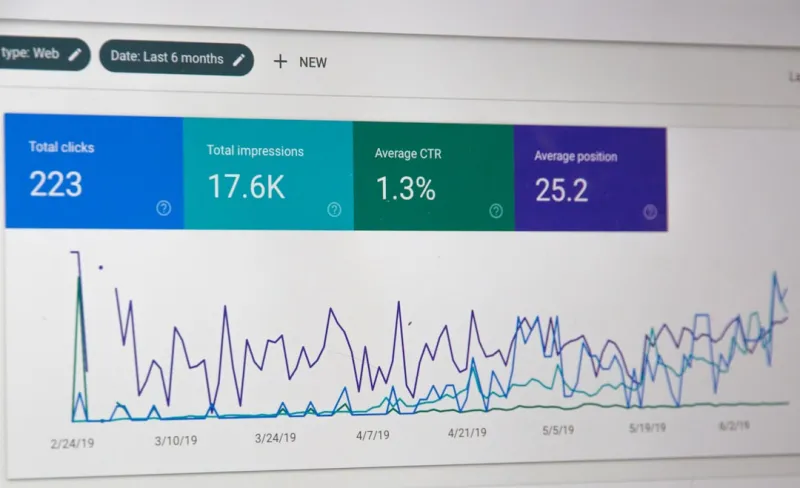
The Evolution of SEO: How to Stay Ahead in 2024 and Beyond
Stay ahead in SEO 2024 with the latest trends and strategies. Learn how to adapt to the evolving landscape, improve your website's visibility, and drive more tr...Read More

Navigating the Ever‑Changing SERP: A Resilience Playbook for SaaS
The SERP is no longer a static list of links; it’s a dynamic canvas of tiles, personalized results, and brand panels. This post offers a practical resilience ...Read More

The Hyper‑Local Playbook: Turning Neighborhood Searches into SaaS Leads
A fresh, actionable guide shows SaaS marketers how to harness hyper‑localized content, Google Business Profile optimization, community partnerships, and zeroâ...Read More
0 Comments
Post Comment
You will need to Login or Register to comment on this post!