

Why Conversational AI Matters for Modern SEO
When I first started weaving AI chatbots into my SEO workflow, I quickly realized that search engines are no longer just crawling static pages—they’re parsing dynamic, conversational signals to satisfy user intent, and that shift demands a brand‑new strategy. Search engines now reward content that mirrors natural dialogue, meaning that the old “keyword‑stuffed” playbook feels as outdated as a floppy disk in a cloud‑first world. Embracing this reality forces us to think like the AI that powers Google’s answer engine, crafting copy that anticipates follow‑up questions before they’re even asked.
Redefining Keyword Research Through Dialogue
Traditional keyword tools give us volume and difficulty scores, but they miss the nuance of how people phrase questions in a chat, where intent is fluid and context‑driven. By mining real‑time conversations from customer support logs, community forums, and even AI chat interactions, we uncover long‑tail phrases that sit at the intersection of curiosity and purchase readiness—phrases that simply don’t appear in conventional reports. This dialogue‑first approach lets us map a semantic lattice that aligns every piece of content with the exact conversational thread a user is likely to follow.
Mapping User Intent With AI‑Generated Data
One of the most powerful tactics I’ve adopted is feeding anonymized chat transcripts into a language model to extract intent clusters, then aligning those clusters with existing site pages. The result is a visual map that highlights gaps—questions your brand never answered—and opportunities where a single, well‑crafted page can capture multiple conversational pathways. This process also surfaces “micro‑intent” signals, such as “how long does it take to set up X?” that can be answered with succinct, schema‑enhanced snippets, dramatically improving click‑through potential.
Structuring Content for AI‑Driven SERP Features
Google’s AI now generates answer boxes, “People also ask” sections, and even entire conversational summaries directly from well‑structured content. To feed this pipeline, each page must be organized around clear question‑answer pairs, bolstered by FAQ schema and logical heading hierarchies that signal the start and end of each dialogue segment. By writing in a tone that feels like a knowledgeable friend—complete with examples, step‑by‑step guides, and anticipatory follow‑ups—we give the algorithm the breadcrumbs it needs to surface our content in these premium placements.
Technical Foundations: Schema and Structured Data for AI
Beyond FAQs, advanced schema types such as Question, Answer, and Conversation let us explicitly annotate the back‑and‑forth nature of human‑AI interaction, signaling to crawlers that the page is designed for conversational extraction. Implementing these tags isn’t a one‑off task; it requires a systematic audit of existing pages, followed by incremental rollouts that prioritize high‑traffic topics first. When done correctly, you’ll notice a measurable uptick in rich‑result impressions, especially for queries that historically hovered just outside the zero‑click realm.
Measuring Success With AI‑Centric Metrics
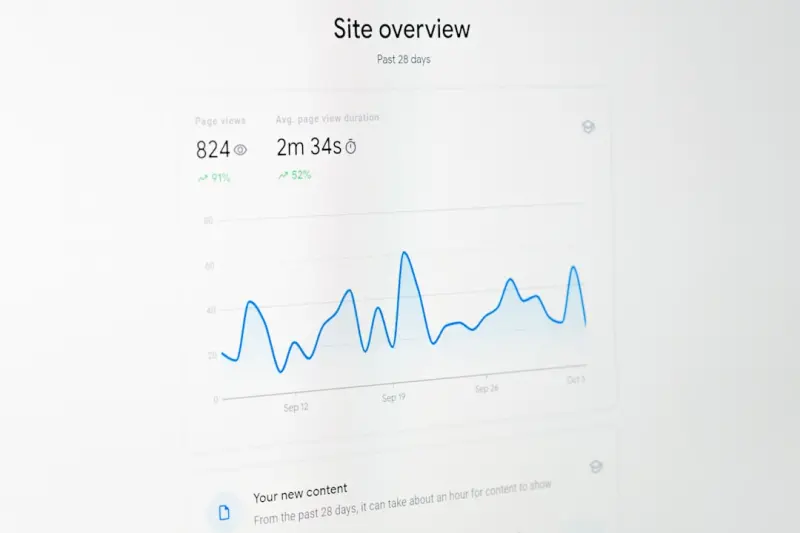
Traditional SEO metrics like organic traffic and keyword rankings still matter, but they’re no longer the full story; we now track “conversation depth” indicators such as average time spent on answer blocks, scroll depth on FAQ sections, and the frequency of “People also ask” clicks originating from our pages. Integrating these signals into Google Data Studio dashboards lets us see the direct impact of our conversational tweaks, and more importantly, it highlights where the AI still struggles to find a definitive answer—guiding our next round of content creation. The feedback loop becomes rapid, data‑driven, and intrinsically tied to the way users actually ask questions.
Real‑World Example: From Insight to Ranking
Take the case of a SaaS client who struggled with “how to integrate API X” queries. By mining their support tickets and feeding them into a language model, we uncovered a cluster of nuanced sub‑questions that weren’t covered on their site. We built a comprehensive “Integration Hub” page, embedded optimizing for AI‑generated search snippets techniques, and layered structured data for each Q&A pair. Within weeks, the page captured multiple answer box positions, driving a 45% lift in organic leads from previously untapped conversational queries.
Actionable Roadmap for Your Brand
Start by inventorying all existing conversational touchpoints—live chat logs, email threads, and community Q&A forums—then use a reputable AI model to extract intent clusters and rank them by search volume potential. Next, map each cluster to a dedicated content piece, ensuring you employ clear question headings, concise answers, and appropriate FAQ schema. Finally, monitor AI‑centric metrics, iterate on gaps, and continuously feed new conversational data back into the cycle, turning every user interaction into a future ranking opportunity.
Looking Ahead: The Future Is Conversational
In my experience, the brands that thrive will be the ones that treat every user interaction as a seed for SEO growth, letting AI guide content creation, structure, and measurement. By marrying the empathy of human conversation with the precision of algorithmic indexing, you build a resilient, future‑proof SEO engine that doesn’t just rank—it converses. The next wave of organic visibility belongs to those who can speak the language of both people and machines, and that conversation starts today.

When it comes to the world of blogging and writing, Rose DesRochers is a name that stands out. Her passion for creating quality content and connecting with her audience has made her a trusted voice in the industry. Aside from her skills as a writer and blogger, Rose is also known for her compassionate nature.
Related Posts

Intent‑First SEO: Building a Content Funnel That Guides Users From Curiosity to Conversion
Discover an intent‑first SEO roadmap that aligns keywords, content formats, and technical foundati... Read More

Cross‑Channel SEO: Uniting Paid, Social, and Organic for Maximum Impact
Learn why integrating paid ads, social signals, and organic content is the next frontier in SEO, and... Read More
Turn Your SaaS Pricing Page Into an SEO Powerhouse
A step‑by‑step guide shows why a SaaS pricing page is a hidden SEO goldmine and how to turn it i... Read More
Top Posts

The Shifting Landscape of Social Media Marketing: How to Stay Ahead
The social media landscape is constantly evolving. Stay ahead of the curve with the latest trends and strategies in social media marketing. Learn how to adapt t...Read More

The Evolution of Digital Marketing: How to Stay Ahead in 2024
Learn how to stay ahead in digital marketing 2024 with the latest trends and strategies. Discover how to adapt to the evolving landscape and achieve your goals....Read More

The Shift Towards Authenticity in Social Media Strategy
The shift towards authenticity in social media strategy is a welcome change. Learn how brands can prioritize vulnerability, transparency, and connection to buil...Read More

The Evolution of Link Building: Strategies to Stay Ahead in 2023
Link building has evolved significantly over the years. Learn the latest strategies to stay ahead in 2023 and improve your site's online visibility, drive more ...Read More
0 Comments
Post Comment
You will need to Login or Register to comment on this post!