

Technical SEO Meets Empathy: A Paradigm Shift
When I first started dissecting crawl logs and indexing quirks, my mindset was purely algorithmic, treating every URL as a data point rather than a destination for a real person seeking answers, products, or connection. Over the years, I’ve watched search engines evolve from keyword matchers to intent interpreters, and I realized that the missing piece in most technical audits is the human heart behind the query. Empathy isn’t a buzzword for marketers; it’s a guiding principle that can reshape how we configure robots.txt, prioritize schema, and allocate server resources. By aligning technical signals with the emotional journey of users, we move from chasing rankings to fostering genuine interactions that keep visitors coming back.
Recalibrating Crawl Budget for Human Intent
The crawl budget is often framed as a cold, mechanical limit imposed by Google, but it actually mirrors the value search engines place on your content in the eyes of real users. If you allocate that budget solely to high‑traffic product pages while neglecting emerging blog posts that answer nuanced questions, you’re effectively saying those human queries don’t matter. By analyzing search intent patterns—informational, transactional, or navigational—and mapping them to crawl priority, you give the crawler a compassionate roadmap that respects both search efficiency and user curiosity. This approach not only improves indexation speed for fresh, helpful content but also signals to Google that you care about the evolving needs of your audience.
Structured Data as an Empathetic Narrative
Schema markup is far more than a technical checklist; it’s a language that lets you tell a story about your content directly to the search engine, and indirectly to the user. When you enrich a recipe with cooking time, dietary restrictions, and user ratings, you’re acknowledging the diverse needs of cooks ranging from busy parents to seasoned chefs. Embedding FAQ schema on support pages shows that you anticipate follow‑up questions, reducing friction and building trust before a single click occurs. By treating structured data as a compassionate extension of the page’s narrative, you create richer SERP appearances that invite users to engage with confidence.
Speed, Core Web Vitals, and the Feel‑Good Factor
Page speed has long been a ranking factor, yet its true power lies in the immediate emotional response it triggers—a fast page feels respectful, while a sluggish one feels dismissive. Core Web Vitals such as Largest Contentful Paint and Cumulative Layout Shift are not abstract metrics; they quantify how smooth and stable the user experience feels in the moment of interaction. Optimizing images with modern formats, leveraging lazy loading, and deploying a CDN are technical actions that translate directly into a sense of being valued. When users notice that your site loads instantly on mobile, they subconsciously associate that reliability with your brand, reinforcing loyalty and encouraging deeper exploration.
Site Architecture: Mapping the User Journey
A well‑structured site is the digital equivalent of a thoughtful floor plan that guides visitors from the lobby to the checkout without confusion. Logical hierarchies, breadcrumb trails, and clear URL taxonomy reduce cognitive load, allowing users to predict where each click will take them. By conducting empathy‑driven user‑flow analyses—watching how real people navigate, where they hesitate, and what they abandon—you can reorganize silo structures to match natural discovery patterns. This not only improves internal link equity distribution but also aligns crawl pathways with the pathways users mentally map, resulting in higher dwell time and lower bounce rates.
Internal Linking That Listens
Internal links are the veins through which link equity and relevance travel, and they should be placed with the same care you would use when recommending a helpful article to a friend. Rather than scattering links for the sake of SEO, prioritize connections that solve a user’s next question, guide them toward a related product, or deepen their understanding of a topic. For example, the insights shared in The Empathy Edge: Rethinking SEO Strategy for Real Connections illustrate how contextual linking can turn a simple navigation element into a trust‑building conversation starter. By mapping these pathways thoughtfully, you create a supportive web that encourages users to explore further, signaling to search engines that your content ecosystem is both comprehensive and user‑centric.
Content Optimization Through an Empathetic Lens
Keyword research remains essential, but the true art lies in weaving those terms into copy that resonates emotionally and answers specific pain points. When you draft meta descriptions, headers, and body copy, ask yourself what the user feels at each stage—confusion, curiosity, urgency—and address those emotions directly. The principles outlined in Why Empathy is the New Engine Behind Local SEO Success demonstrate how local businesses can boost visibility by reflecting community values and personal stories, rather than relying solely on geographic keywords. By pairing technical best practices like canonical tags and hreflang attributes with narrative depth, you create pages that rank well and genuinely satisfy the human intent behind the search.
Metrics That Reflect Human Experience
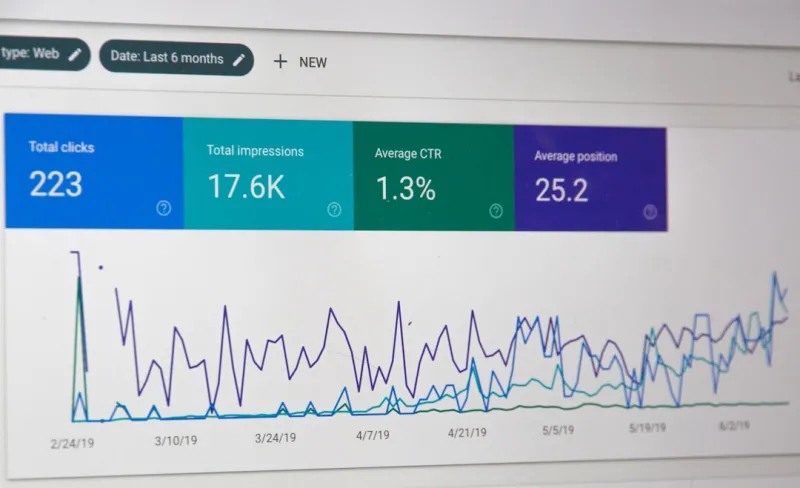
Traditional SEO dashboards focus on impressions, clicks, and average position, but they often miss the subtler signals of user satisfaction that truly matter. Incorporating metrics such as scroll depth, time‑on‑page, and micro‑conversions—like newsletter sign‑ups or video completions—provides a more holistic view of how empathetic your technical implementations are performing. The case study in Technical SEO Gets a Human Touch: Why Empathy Matters shows how aligning technical KPIs with human‑centric goals led to a measurable lift in both rankings and brand perception. By regularly reviewing these blended datasets, you can iterate on site speed, schema, and navigation tweaks that directly enhance the lived experience of your audience.
Future‑Proofing Technical SEO with Compassion
The search landscape will continue to evolve toward more nuanced understanding of human intent, making empathy not just an advantage but a necessity for sustainable success. Investing in AI‑driven content analysis, voice search optimization, and progressive web app features will only pay off when paired with a genuine concern for the user’s context, accessibility needs, and emotional journey. As you plan the next round of technical upgrades—whether it’s adopting server‑side rendering or expanding your schema portfolio—remember that each line of code is an invitation for a person to engage, learn, and trust your brand. By embedding empathy into the very fabric of your technical SEO strategy, you future‑proof your site against algorithmic shifts while cultivating a loyal, human audience.

Paula Wright writes from her home in Toronto Ontario, where she lives with her husband, Steve, and their two children. Driven by curiosity and a passion for storytelling, Paula loves to uncover the "why" and "how" behind every topic she covers. Her writing is fueled by her adventures; when she’s not at her desk, you’ll find her out on the road, camping under the stars, or wandering a new trail. Paula brings a sense of discovery and a fresh, real-world perspective to everything she writes for us.
Related Posts

Crawl Budget Mastery: Getting Google to Index Your SaaS Faster
A practical guide to mastering Google’s crawl budget for SaaS sites, covering pruning, prioritizat... Read More

Taming JavaScript‑Heavy SaaS Sites: A Technical SEO Playbook
This post walks SaaS teams through practical steps—SSR, dynamic rendering, edge computing, structu... Read More

Crawl Budget Mastery: How SaaS Companies Can Make Search Engines Work Smarter
A deep dive into crawl budget for SaaS sites, covering audits, URL cleanup, sitemap strategy, perfor... Read More
Top Posts

User‑Generated Content: The Secret Growth Lever B2B SaaS Marketers Overlook
User‑generated content isn’t just for consumer brands. This post shows why B2B SaaS marketers should harness authentic customer videos, screenshots, and com...Read More

Social Listening: Turning Real‑World Chatter into SaaS Growth Engine
A deep dive into how B2B SaaS teams can harness social listening to uncover customer pain points, fuel product roadmaps, and create resonant content that drives...Read More

The Future of Digital Marketing: Navigating the Ever-Changing Landscape
The digital landscape is constantly evolving. To stay ahead, marketers must prioritize authenticity, local SEO, and social media engagement to drive long-term s...Read More
The Impact of Social Media on SEO: How to Leverage Your Online Presence
Learn how social media signals impact SEO and discover actionable tips to leverage your online presence, improve search engine rankings, and drive website traff...Read More
0 Comments
Post Comment
You will need to Login or Register to comment on this post!