

Why Edge Infrastructure Is the New Frontier for Technical SEO
When most people think about technical SEO, they picture XML sitemaps, robots.txt files, and crawl‑budget tweaks. Those are still important, but the real lever that can set a SaaS site apart today lives in the edge—the network of CD‑N nodes, HTTP/2 and HTTP/3 protocols, and server‑side optimizations that sit between your users and your origin server. In this post I’ll walk you through how embracing edge‑first architecture can shave milliseconds off page load, improve Core Web Vitals, and ultimately send stronger ranking signals to Google.
1. The Edge vs. The Origin: Understanding the Difference
Think of your origin server as the “brain” of your SaaS product. It stores the master copy of every page, API response, and asset. The edge, on the other hand, is a distributed layer of cache servers that sit in data centers around the globe. When a visitor requests example.com/pricing, the request is routed to the nearest edge node, which serves a cached copy if possible.
- Latency reduction: The round‑trip time drops from dozens of milliseconds to single‑digit numbers.
- Reduced load on origin: Fewer hits mean your application servers can focus on dynamic workloads, not static asset delivery.
- Signal boost for search engines: Google’s crawler respects the same network paths as users, so faster edge responses improve crawl efficiency and signal higher quality to the algorithm.
2. HTTP/2 and HTTP/3: More Than Just Fancy Acronyms
Both protocols were designed to overcome the inefficiencies of HTTP/1.1. HTTP/2 introduced multiplexing, header compression, and server push. HTTP/3 builds on that with QUIC, a UDP‑based transport that reduces connection‑setup time and mitigates packet loss. For a SaaS site that serves a mix of HTML, JSON APIs, and heavy JavaScript bundles, the gains are tangible:
- Multiplexed requests: Your browser can download CSS, JavaScript, and images concurrently over a single connection, eliminating the “head‑of‑line blocking” that once slowed down page rendering.
- Server push (HTTP/2): You can proactively push critical assets (e.g., the main stylesheet) when the HTML is requested, cutting the “critical rendering path” by half.
- Reduced handshake latency (HTTP/3): QUIC’s 0‑RTT handshake means repeat visitors often skip the TCP three‑way handshake entirely.
Implementing these protocols isn’t a “set‑and‑forget” task. You need to verify that your CDN and origin support them, test for regressions, and monitor real‑world performance metrics like TTFB and First Contentful Paint.
3. Edge Caching Strategies That Matter for SaaS
Unlike a traditional blog, a SaaS website has a blend of static marketing pages and dynamic, user‑specific content. Crafting a caching strategy that respects both can be tricky, but the payoff is huge.
3.1. Tiered Cache Rules
Set up three cache tiers:
- Static assets (CSS, JS, images): Cache for 30‑60 days. Use fingerprinted filenames (
app.9f2c1d.css) to bust the cache when you deploy updates. - Marketing pages (pricing, features, blog): Cache for 5‑15 minutes. These pages rarely change per user, but you still want to reflect brand updates quickly.
- Dynamic API responses: Use “stale‑while‑revalidate” to serve a slightly older response while the edge fetches fresh data from the origin. This keeps the UI snappy without compromising data accuracy.
3.2. Cache Invalidation via Webhooks
When your product team releases a new feature, you likely update docs, landing pages, and maybe a demo video. Trigger a webhook that tells your CDN to purge the relevant paths instantly. This eliminates the dreaded “stale content” problem that can hurt both user experience and SEO freshness signals.
3.3. Edge‑Side Includes (ESI)
ESI lets you assemble a page from multiple fragments at the edge. For example, you could cache the hero section of a page while pulling a personalized testimonial from your backend in real time. The result is a page that feels dynamic but is still served from cache, keeping Largest Contentful Paint (LCP) low.
4. Measuring Edge Impact on SEO
Technical SEO isn’t about guesswork; it’s about data. Here’s a short checklist to verify that your edge investments are paying off:
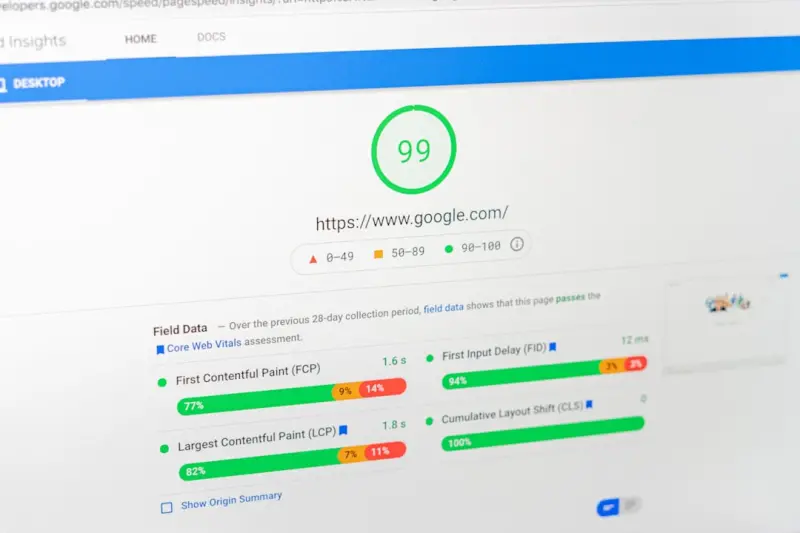
- Core Web Vitals Dashboard: Use Google Search Console’s Core Web Vitals report. Look for improvements in LCP, CLS, and FID after enabling HTTP/3.
- Log File Analysis: Examine server logs to see if Googlebot’s crawl rate increased. Faster responses often lead to deeper crawl depth.
- Real‑User Monitoring (RUM): Tools like New Relic or SpeedCurve can segment performance by geography, confirming that edge nodes are delivering the promised latency gains.
- Search Rankings: Track keyword positions for high‑intent pages (e.g., “SaaS analytics platform”). A consistent upward trend after edge rollout can be a strong indicator of SEO benefit.
5. Common Pitfalls and How to Avoid Them
Even the best‑intentioned edge rollout can backfire if you ignore a few nuances.
5.1. Over‑Caching Sensitive Content
Never cache user‑specific dashboards, account pages, or any data behind authentication. Misconfiguration can expose private data and lead to severe security breaches. Use “no‑store” directives for such endpoints.
5.2. Ignoring Mobile‑First Indexing
Google predominantly crawls the mobile version of a site. Ensure that your edge configuration respects responsive design breakpoints and serves the same HTML to both desktop and mobile crawlers. Discrepancies can trigger “soft 404” errors.
5.3. Forgetting to Update Structured Data
While we’re focusing on edge performance, structured data remains a powerful SEO tool. If you add new features or pricing tiers, remember to update your Structured Data: SaaS SEO’s Hidden Advantage markup. Search engines use this data to generate rich snippets, which can dramatically improve click‑through rates.
6. A Playbook for SaaS Teams
Putting edge‑first technical SEO into practice requires coordination across product, engineering, and marketing. Below is a step‑by‑step playbook you can start implementing this quarter.
- Audit your current CDN setup. Identify which providers support HTTP/2/3 and ESI. If you’re on a legacy CDN, consider a migration plan.
- Map content tiers. Create a spreadsheet of every URL type (static, marketing, dynamic) and assign a cache TTL.
- Configure cache‑control headers. Work with your dev team to add
Cache‑Control: public, max‑age=31536000, immutablefor fingerprinted assets, and shorter TTLs for marketing pages. - Enable server push. For high‑traffic landing pages, push the critical CSS and above‑the‑fold images.
- Set up automated purges. Use your CI/CD pipeline to call CDN purge APIs whenever a deployment touches SEO‑critical pages.
- Instrument monitoring. Add RUM scripts that capture edge latency, then feed the data into your SEO dashboard.
- Iterate with data. Review Core Web Vitals weekly. If LCP plateaus, dig into edge cache hit ratios and adjust TTLs.
7. Leveraging the Knowledge Base as an Edge Asset
Your SaaS knowledge base is often the most content‑rich part of your site. By serving it from the edge, you not only speed up help‑center queries but also create a massive SEO reservoir. The Turning Your SaaS Knowledge Base into a Search Engine Magnet post walks through content‑cluster strategies; now add edge caching to the mix. Cache the article HTML for a few hours, and use stale‑while‑revalidate to keep the content fresh without sacrificing speed.
8. Future‑Proofing: The Rise of Edge Functions
Edge computing is evolving beyond simple caching. Platforms like Cloudflare Workers, Fastly Compute@Edge, and AWS Lambda@Edge let you run JavaScript at the edge. This opens up new SEO possibilities:
- Geo‑personalized SEO tags: Serve language‑specific
hreflangtags based on the visitor’s location. - Dynamic meta description generation: Pull the latest product stats from a low‑latency API and inject them into the
<meta>tags on the fly. - Bot detection and graceful degradation: Identify crawlers and serve a lightweight version of JavaScript‑heavy pages to ensure Googlebot can render them efficiently.
These functions can be rolled out incrementally, allowing you to test SEO impact in a controlled environment before going full‑scale.
9. Bringing It All Together
Technical SEO for SaaS has matured past the basics of sitemaps and robots.txt. Edge infrastructure—CDNs, HTTP/2/3, and emerging edge functions—offers a high‑impact, measurable way to boost performance, reduce crawl friction, and enhance user experience. By integrating edge strategies with your existing SEO initiatives (structured data, knowledge‑base optimization, and content sequencing), you create a synergistic ecosystem where speed and relevance reinforce each other.
Start small, measure relentlessly, and watch your rankings climb as your site becomes a truly “edge‑first” asset in the eyes of both users and search engines.

Kelly Reynolds is a dynamic freelance writer hailing from the picturesque landscapes of Alberta. A master of the written word, she juggles her passion for storytelling with the exhilarating chaos of being a mother to five spirited children. With an impressive portfolio that spans various genres, Kelly captivates readers through her engaging blog posts and thought-provoking articles.
Related Posts

Why Server‑Side Rendering Is the Quiet Hero of SaaS SEO
Server‑Side Rendering (SSR) delivers fully formed HTML to both users and search bots, solving the ... Read More

Crawl Budget Mastery: How SaaS Platforms Can Make Google’s Bot Work Smarter
A deep dive into crawl budget optimization for SaaS platforms, covering log file analysis, priority ... Read More

Turning Your SaaS Knowledge Base into an SEO Powerhouse
A deep dive into technical SEO for SaaS knowledge bases, covering crawl budget, canonicalization, sc... Read More
Top Posts

The Evolution of Social Media Marketing: How to Stay Ahead
Social media marketing is a rapidly evolving field that requires businesses to stay ahead of the game. Learn how to leverage social media to build brand awarene...Read More

The Co‑Creation Playbook: Turning Partnerships into Powerful Links
Shift from cold outreach to collaborative content creation. This guide shows how co‑authoring research, webinars, and data assets with complementary partners ...Read More
Winning the Personalized SERP: How to Tailor Your Content for Each Searcher
Learn why SERPs are now uniquely tailored to each searcher and get actionable tactics—schema, content clusters, and personalized metrics—to stay on top acro...Read More

Turning PWAs into Mobile SEO Powerhouses
Progressive Web Apps combine app‑like performance with SEO-friendly content. This guide shows SaaS teams how to build, optimize, and measure PWAs to dominate ...Read More
0 Comments
Post Comment
You will need to Login or Register to comment on this post!