
Why an Agile Mindset Is the Missing Piece in Modern SEO
Most SEO teams still treat optimization like a once‑a‑year audit, but the search landscape moves at a sprinting pace that demands an agile framework. By breaking down ranking goals into bite‑sized, testable hypotheses, you can iterate faster than Google’s algorithm updates and stay ahead of competitors. This mindset shift transforms SEO from a static checklist into a dynamic growth engine that reacts to user intent, SERP changes, and technical signals in real time.
Introducing the SEO Sprint Cycle: Plan, Execute, Measure, Refine
The SEO sprint cycle mirrors the classic scrum loop: you start with a clear sprint goal, prioritize a backlog of ranking opportunities, and allocate resources for a two‑to‑four‑week execution window. During the sprint, every task—whether it’s content creation, internal linking, or technical fixes—is tracked in a shared board, allowing the whole team to see progress at a glance. At the end of the cycle, you gather data, evaluate outcomes, and feed insights back into the next sprint’s backlog.
Building a Data‑Driven Backlog That Powers Real Results
Effective sprints begin with a well‑curated backlog built on quantitative signals rather than gut feelings. Leverage tools that surface keyword gaps, click‑through‑rate anomalies, and crawl inefficiencies, then rank each item by potential impact and effort. For example, log file analysis can reveal high‑value pages that Google struggles to crawl, turning obscure technical debt into quick win opportunities.
Prioritizing Experiments Over Permanent Changes
In an agile SEO environment, you treat every optimization as an experiment with a hypothesis, success metrics, and a limited time horizon. Rather than committing to permanent structural overhauls, you test variations of title tags, schema markup, or internal link clusters to see which configuration moves the needle. This approach reduces risk, encourages rapid learning, and ensures that resources are funneled into tactics that demonstrably boost visibility.
Cross‑Functional Collaboration: SEO Meets Content, UX, and Development
Agile SEO thrives on collaboration across silos. Content writers receive sprint‑level briefs that tie keyword intent to user journey stages, designers align page layouts with core‑web‑vitals goals, and developers ship code changes in short, reviewable increments. When each discipline speaks the same language—backed by shared sprint metrics—the entire organization moves as a single, cohesive growth engine.
Measuring Success: The KPI Dashboard That Keeps Teams Honest
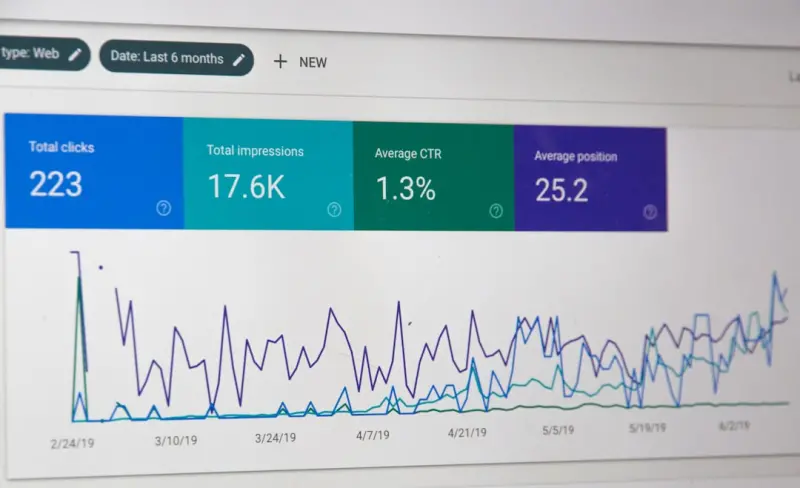
Traditional SEO reports focus on vanity metrics like overall traffic, but an agile sprint dashboard surfaces the KPIs that matter most to each sprint goal. These may include organic CTR lift, page‑level conversion rate, or reductions in crawl budget waste. By visualizing progress in real time, stakeholders can celebrate wins, spot blockers early, and make data‑driven decisions about where to double down next.
Iterating on Content With Intent‑First Principles
While the sprint framework emphasizes speed, it never sacrifices relevance. Each content piece is built around a precise user intent, ensuring that the final asset satisfies the query’s underlying question. If you need a refresher on aligning content with intent, revisit our Intent‑First SEO guide, then apply those principles inside your sprint backlog to keep every draft laser‑focused.
Technical Debt: Turning Hidden Issues Into Sprint Fuel
Technical SEO often hides in the shadows, but an agile approach brings those issues to the forefront. By allocating a portion of each sprint to address crawl errors, broken redirects, or schema mismatches, you prevent small problems from snowballing into major ranking penalties. This steady cadence of technical housekeeping keeps site health high and frees up bandwidth for creative, high‑impact initiatives.
Scaling the Process: From One Team to Enterprise‑Wide Adoption
Once the SEO sprint methodology proves its worth, scaling it across the organization is a matter of standardizing rituals and tooling. Establish a central sprint planning calendar, adopt a unified project management platform, and train all stakeholders on agile fundamentals. As more teams adopt the process, you generate a virtuous cycle of shared learnings, cross‑departmental transparency, and compound SEO growth.
Future‑Proofing Your SEO Strategy With Continuous Learning
The only constant in search is change, and an agile SEO framework ensures you’re always ready to adapt. By embedding a culture of experimentation, rapid feedback, and collaborative problem‑solving, you future‑proof your rankings against algorithm updates, emerging search formats, and shifting user behavior. In the end, the true power of agile SEO isn’t just higher positions—it’s a resilient, learning‑centric organization that can turn every SERP shift into an opportunity.

Shawn DesRochers is a certified Microsoft technician and Programmer with 30+ year's experience. He has written many reviews on computer related products, software, and SEO related topics. When he's not writing reviews he can be found at one of the Oldest Directories Online Domain Authority Directory which he is the CEO of.
Related Posts

Navigating the 2024 SEO Rollercoaster: A Strategic Playbook from Sarah Gray
Sarah Gray shares a pragmatic 2024 SEO strategy, blending data‑first research, mobile technical fi... Read More

Embracing the Future of SEO: Strategies for Success in 2024
Stay ahead of the competition with the latest SEO strategies for 2024. Learn how to adapt to the evo... Read More

Privacy‑First SEO: Building Rankings When Data Is Limited
Discover actionable, privacy‑first SEO strategies that replace invasive tracking with first‑part... Read More
Top Posts

Mobile SEO in 2024: Jessica Hall’s Insider Playbook for Dominating the Mobile SERPs
Jessica Hall shares her 2024 mobile SEO playbook, covering technical foundations, Core Web Vitals, local optimization, and future‑proof strategies to dominate...Read More

Boost Your Neighborhood Business with Human‑Centric Local SEO
Learn to turn community conversations into powerful local SEO, from Google My Business tweaks to hyper‑local content, and watch your neighborhood business thr...Read More

From Data to Authority: A Fresh SEO Strategy Blueprint
Learn how to harness semantic clustering and topic modeling to build authority, align content with user intent, and stay ahead in the ever‑evolving SEO landsc...Read More

How Live Streaming Can Turn Followers Into Co‑Creators
Learn why live streaming is the ultimate tool for authentic brand storytelling and how to turn your audience into active co‑creators....Read More
0 Comments
Post Comment
You will need to Login or Register to comment on this post!