
Understanding Zero‑Click SERPs
When a user lands on a search engine results page and never clicks a traditional blue link, the experience is called a zero‑click SERP, and it’s reshaping how we think about visibility. Google now delivers answers, maps, news cards, and rich snippets directly in the results feed, meaning a brand can dominate the conversation without a single outbound click, yet still reap brand awareness and trust benefits. The challenge for SEOs is to reframe success metrics away from click‑through rates toward impression share, brand lift, and the subtle influence that a well‑crafted answer exerts on the buyer’s journey.
Crafting High‑Impact Featured Snippets and Knowledge Panels
The most reliable path to zero‑click dominance begins with targeting featured snippets and knowledge panels, which act as the digital equivalents of prime‑time billboard space. By structuring content in concise, question‑answer formats, employing clear headings, and embedding schema markup, you signal to search engines exactly what piece of information to surface when the algorithm seeks an instant answer. Additionally, curating authoritative data tables, timelines, and step‑by‑step guides can coax Google into presenting your content as a featured carousel, dramatically expanding your brand’s footprint across multiple query intents.
Measuring the Real Value of Invisible Traffic
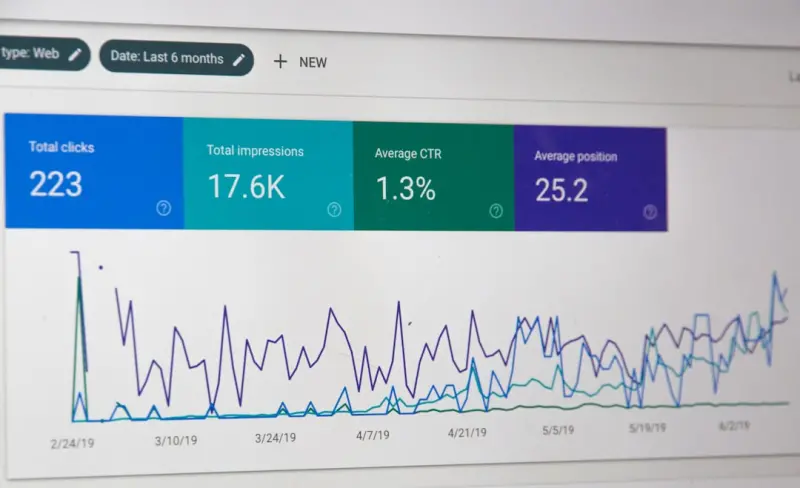
Because users aren’t clicking, traditional analytics can underreport the true impact of zero‑click placements, prompting the need for a more nuanced measurement approach. Leverage impression data from Google Search Console, cross‑reference it with brand lift studies, and monitor downstream metrics such as increased direct traffic, higher dwell time on related pages, and uplift in conversion pathways that originate from enhanced brand recognition. Even without a click, each impression serves as a micro‑touchpoint, reinforcing authority and subtly nudging prospects toward the next stage of the funnel.
Building AI‑Driven Semantic Clusters
While zero‑click optimization secures the top‑of‑search real estate, sustainable growth demands a deeper, topic‑centric architecture that satisfies both users and the evolving AI that powers search. Semantic clustering involves grouping related keywords, concepts, and entities into cohesive content silos, allowing search engines to recognize your site as a comprehensive authority on a subject. By employing AI‑powered tools to analyze search intent, related terms, and entity relationships, you can map out clusters that mirror the way modern algorithms understand context, rather than relying on isolated keyword targeting.
Leveraging AI Tools for Cluster Creation
Modern AI platforms can ingest thousands of search queries, extract latent semantic relationships, and propose hierarchical structures that align with both user intent and search engine expectations. Start by feeding a seed keyword into the model, then let it surface sub‑topics, long‑tail variations, and associated entities, which you can then validate against your existing content inventory. The result is a dynamic roadmap that guides content creation, internal linking, and on‑page optimization, ensuring each piece of the puzzle reinforces the others and collectively boosts topical relevance.
Integrating the entity‑driven SEO framework into Your Cluster Strategy
Entities—people, places, brands, and concepts—serve as the connective tissue between individual pieces of content, enabling search engines to synthesize a richer, more trustworthy narrative about your domain. By tagging each piece of content with appropriate schema and aligning it to a core set of entities, you create a network of semantic signals that amplify the authority of every cluster. This approach not only improves rankings for the primary topics but also lifts ancillary queries that reference the same entities, delivering a cascading effect of visibility across the SERP ecosystem.
Future‑Proofing Your Site with Crawl Intelligence
Even the most compelling content clusters will falter if search engine bots cannot efficiently discover and index them, making crawl intelligence a cornerstone of modern SEO. An in‑depth analysis of server logs reveals which URLs receive the most crawl budget, where bottlenecks occur, and how Googlebot perceives your site hierarchy. By identifying low‑value pages that consume disproportionate resources, you can streamline your architecture, prioritize high‑impact clusters, and ultimately guide crawlers toward the content that matters most.
Implementing a crawl‑log deep dive to Optimize Budget Allocation
A systematic crawl‑log audit starts with extracting raw log data, filtering out non‑Googlebot traffic, and segmenting requests by status codes, response times, and URLs. Once you’ve mapped the crawl frequency, you can adjust your robots.txt directives, refine sitemap entries, and employ strategic internal linking to redistribute crawl equity toward high‑value pages. Coupling these technical tweaks with the semantic clusters built earlier creates a virtuous loop: crawlers find and index authoritative clusters faster, boosting the likelihood of zero‑click placements and sustained organic growth.
Putting It All Together: A Zero‑Click, Semantic, Crawl‑Smart Playbook
The future of SEO lies at the intersection of zero‑click optimization, AI‑driven semantic clustering, and intelligent crawl management, each reinforcing the others to build a resilient, high‑visibility presence. Begin by auditing your existing content for snippet potential, then expand into AI‑generated clusters that map out comprehensive topic silos anchored by strong entities. Finally, conduct a thorough crawl‑log analysis to ensure search bots can efficiently traverse your newly organized site, delivering the content to the right users at the exact moment they need it—often without them ever clicking a link. By embracing this integrated strategy, you transform every SERP impression into a lasting brand impression, turning invisible traffic into measurable business outcomes.

Shawn DesRochers is a certified Microsoft technician and Programmer with 30+ year's experience. He has written many reviews on computer related products, software, and SEO related topics. When he's not writing reviews he can be found at one of the Oldest Directories Online Domain Authority Directory which he is the CEO of.
Related Posts

Structured Data Secrets: Turning SaaS Pages Into Rich SERP Experiences
A practical guide for SaaS marketers on leveraging structured data—like SoftwareApplication, Offer... Read More

The Future of SEO: Trends to Watch in 2024
The world of SEO is rapidly evolving, and 2024 will be a pivotal year for digital marketing. Discove... Read More

The Structured Data Playbook: Turning SaaS Pages into Rich Search Results
Structured data is the silent handshake between your SaaS product and search engines. This playbook ... Read More
Top Posts
Why Empathy‑First SEO is the Secret Weapon for Modern Rankings
A deep dive into empathy‑first SEO reveals how human‑centered tactics outperform traditional tactics, driving trust, traffic, and tangible business growth....Read More
Micro‑Influencer Partnerships: How Small Voices Create Big Brand Wins
Explore the power of micro‑influencers: authentic collaborations, measurable ROI, and scalable community‑first strategies that transform brand marketing....Read More

The Ever-Changing Landscape of SEO: What You Need to Know
Stay competitive in the world of SEO by understanding the current landscape and what you need to know to succeed. From technical SEO to quality content, learn t...Read More

From Followers to Brand Advocates: Crafting a Social Media Advocacy Engine
Discover a step‑by‑step guide to turning casual followers into vocal brand advocates, using incentives, exclusive experiences, and data‑driven tactics to ...Read More
0 Comments
Post Comment
You will need to Login or Register to comment on this post!