
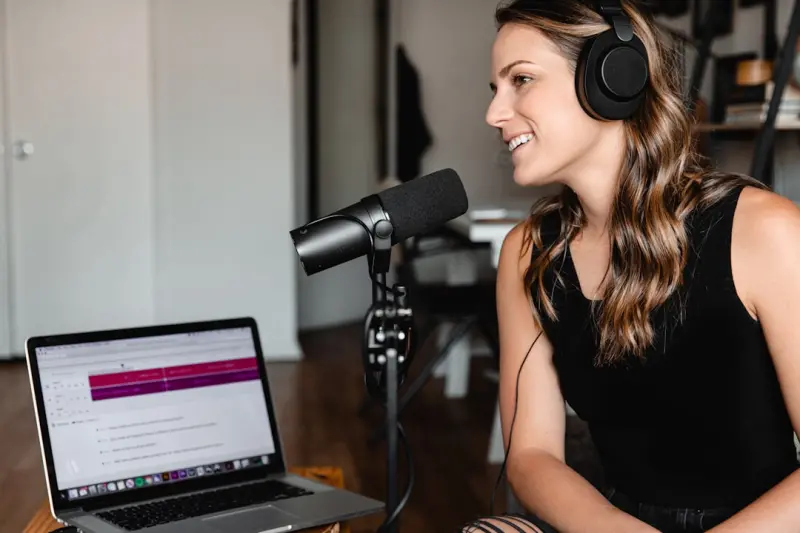
The Audio Revolution in Digital Marketing
When consumers press play on a podcast, they’re not just listening—they’re entering a private, immersive space where brand messages can linger longer than a banner on a webpage. Audio marketing taps into the human brain’s natural affinity for storytelling, creating an intimacy that visual mediums often struggle to match. This shift is more than a fleeting trend; it reflects a broader cultural move toward on‑the‑go content consumption, where commuters, gym‑goers, and multitaskers alike seek value without staring at a screen. Marketers who ignore this evolution risk missing a high‑engagement channel that consistently outperforms traditional display ads in recall and purchase intent. By aligning brand narratives with the trusted voices of podcast hosts, advertisers can weave their messages seamlessly into daily routines, turning ordinary moments into powerful brand touchpoints.
Crafting High‑Impact Podcast Ads
Effective podcast advertising starts with authenticity. Listeners tune in for the host’s perspective, so a host‑read endorsement that feels conversational beats a generic pre‑recorded spot every time. Choose placements strategically: pre‑roll captures attention at the start, mid‑roll benefits from the listener’s deep focus, and post‑roll can reinforce a call‑to‑action when the episode concludes. Pairing these formats with clear, concise copy ensures the message sticks without disrupting the flow. Additionally, integrating offers that are exclusive to the podcast audience—such as a unique discount code or a limited‑time landing page—creates a sense of exclusivity that drives immediate action. When planning your campaign, consider linking to broader content ecosystems; a well‑placed reference to a collaborative content partnership can extend the conversation beyond the episode, boosting both backlink equity and brand reach.
Key Elements of a Winning Script
- Hook within the first five seconds to capture attention.
- Storytelling that aligns the product with the listener’s lifestyle.
- Clear, memorable call‑to‑action with a trackable URL or promo code.
- Authentic host voice that matches the podcast’s tone.
Measuring Success and Scaling
Unlike click‑through metrics on visual ads, podcast performance hinges on a blend of quantitative and qualitative data. Start with basic indicators: download spikes, unique promo code usage, and referral traffic from episode‑specific landing pages. Dive deeper by tracking listener engagement through real‑time social feedback loops, monitoring mentions, comments, and sentiment across platforms as the episode airs. A robust measurement framework should also include:
- Cost per acquisition (CPA) compared to other channels.
- Brand lift studies measuring aided recall and favorability.
- Time‑on‑site metrics for traffic originating from audio ads.
- Cross‑device conversion paths to capture mobile and desktop actions.
By consolidating these metrics into a unified dashboard, marketers can identify which podcasts deliver the highest ROI and allocate budgets accordingly, turning a handful of successful spots into a scalable, data‑driven audio network.
Integrating Podcast Ads with Existing Campaigns
The true power of podcast advertising emerges when it dovetails with broader digital initiatives. Sync your audio spots with social media teasers, email newsletters, and retargeting ads to reinforce the message across multiple touchpoints. For instance, a podcast episode that introduces a new product can be echoed in a series of Instagram Stories, each featuring the same promo code and visual cues, creating a cohesive brand narrative. This cross‑channel harmony not only amplifies reach but also strengthens attribution, allowing you to see the full customer journey from the first listen to the final purchase. Moreover, leveraging existing content assets—such as blog posts or video snippets—within the podcast script can drive traffic back to your owned media, boosting SEO signals and enriching the overall content ecosystem.
Creative Storytelling in Audio
Audio storytelling is an art form that balances brevity with vivid imagination. Unlike visual media, sound forces listeners to paint pictures in their minds, making every word, tone, and pause crucial. Incorporate ambient sounds, subtle music cues, and natural pauses to set the scene and guide emotional responses. A well‑crafted narrative might begin with the sound of a bustling café, segue into a host’s enthusiastic description of a new coffee‑blend subscription, and conclude with the gentle clink of a mug—each element reinforcing the product’s sensory appeal. By treating the ad as a mini‑episode rather than a hard‑sell, brands can foster a deeper emotional connection, driving higher recall and encouraging word‑of‑mouth sharing among listeners who feel they’ve experienced a genuine story rather than a commercial interruption.
Case Study: Turning Listeners into Loyal Customers
Consider the example of a boutique fitness brand that partnered with a health‑focused podcast. They launched a mid‑roll ad featuring the host’s personal journey with the brand’s wearable tracker, coupled with an exclusive “listen‑and‑save” code. Within the first month, the brand saw a 35% lift in website traffic from the podcast’s audience, and the promo code redeemed over 4,000 times, generating a 2.8× return on ad spend. By integrating the campaign with a follow‑up email series and retargeting ads, they nurtured those first‑time buyers into repeat customers, boosting lifetime value by 20%. This success story underscores how a well‑aligned audio partnership can transform passive listeners into active brand advocates, especially when the narrative aligns with the host’s authentic voice and the audience’s interests.
Pitfalls to Avoid in Podcast Advertising
Even the most compelling audio campaigns can falter if marketers neglect key best practices. Over‑promoting or delivering a hard sell can alienate listeners who expect value‑first content. Ensure the ad’s tone matches the podcast’s overall style; a tech‑savvy audience may respond better to data‑driven copy, while a lifestyle show prefers a conversational vibe. Additionally, failing to provide a clear, trackable call‑to‑action makes it impossible to measure impact, rendering the investment opaque. Lastly, avoid “one‑size‑fits‑all” placements—different shows attract distinct demographics, so tailor the creative and offer to each audience segment to maximize relevance and conversion potential.
Future Outlook: Dynamic Audio and Personalization
The next wave of podcast advertising will be defined by dynamic ad insertion and hyper‑personalized messaging. As technology advances, marketers can deliver different ad variations to the same episode based on listener data such as location, listening device, or previous brand interactions. This real‑time customization transforms static audio spots into responsive experiences, akin to personalized web banners but with the emotional depth of spoken word. Coupled with AI‑driven voice synthesis, brands will soon be able to generate localized ad scripts at scale, ensuring every listener hears a message that feels tailor‑made for them. Embracing these innovations now positions marketers to stay ahead of the curve, turning the burgeoning audio landscape into a sustainable, high‑ROI pillar of their digital strategy.

Tammy French is a Montessori Teaching Assistant and freelance writer passionate about education, creativity, and inspiring lifelong learning through engaging content.
Related Posts
Micro‑Moment Marketing: Capturing Real‑Time Intent for Digital Success
Discover how micro‑moments reshape digital marketing and how agile, mobile‑first tactics can cap... Read More

The Evolution of Digital Marketing: Staying Ahead in a Rapidly Changing Landscape
The digital marketing landscape is constantly evolving. Learn how to stay ahead with the latest tren... Read More
The Evolution of Digital Marketing in 2024: Trends and Strategies
The digital marketing landscape is rapidly evolving in 2024. Stay ahead of the curve with the latest... Read More
Top Posts
Google SEO in 2024: Jessica Hall’s Insider Playbook for Sustainable Growth
Jessica Hall shares her 2024 Google SEO playbook, revealing how to combine high‑intent content, technical excellence, AI insights, mobile‑first design, and ...Read More

Riding the Wave: Lifan Chen’s 2024 Social Strategy Blueprint
Lifan Chen shares a data‑driven, story‑first social strategy for 2024, linking community building, cross‑channel synergy, and emerging tech to drive authe...Read More

Designing a Social Funnel That Powers Product‑Led Growth
A step‑by‑step guide to building a social funnel that drives product‑led growth, from awareness to activation, using data, storytelling, and emerging plat...Read More

The Rise of Sustainable Ecommerce: How to Make Your Online Store More Eco-Friendly
The ecommerce industry has a significant environmental impact, but by prioritizing sustainability, online stores can reduce their footprint and appeal to eco-co...Read More
0 Comments
Post Comment
You will need to Login or Register to comment on this post!