

Why Structured Data Is the Secret Weapon for Mobile SEO Success
When I first started optimizing for mobile, I was obsessed with page speed, viewport settings, and the dreaded “mobile‑friendly” badge. Those were, and still are, essential pieces of the puzzle. Yet after months of tweaking load times and watching bounce rates inch down, I hit a ceiling that no amount of compression could crack. That’s when I discovered the quiet power of structured data on mobile search results.
Structured data is often billed as a “rich snippet” tool for desktop, but the reality is far more compelling for mobile‑first users. Google’s mobile SERP now displays FAQ boxes, how‑to steps, product information, and even review stars directly on the search results page. For SaaS businesses, this is a golden opportunity: a user can see the answer they need before they even tap a link, and the click‑through rates (CTRs) on those enhanced results are dramatically higher.
The Mobile Intent Gap
Think about the typical mobile user journey. They’re on a commute, in line at the coffee shop, or juggling a dozen tabs on a tablet. Their intent is hyper‑focused: “I need a solution, fast.” Traditional SEO tactics—keyword stuffing, meta tags, even content depth—often fail to satisfy that immediate need. Structured data fills the gap by presenting concise, context‑rich answers right where the user’s eyes land.
In my own audits, I’ve seen mobile users abandon a page within three seconds if the information isn’t instantly visible. By contrast, a well‑implemented FAQ schema can surface a direct answer on the SERP, reducing the decision friction and nudging the user toward a conversion.
Choosing the Right Schema Types for SaaS
Not every schema will boost your mobile performance. Here’s a quick cheat sheet of the most impactful types for a SaaS product:
- FAQPage: Perfect for addressing common objections (“What’s the onboarding process?”) and can double CTR on informational queries.
- HowTo: Ideal for step‑by‑step guides (“How to set up automated reports”). Google often displays these as expandable cards on mobile.
- Product: Even though SaaS isn’t a tangible product, you can use it to highlight pricing tiers, feature lists, and trial availability.
- Review: Showcasing customer testimonials and star ratings directly on the SERP builds trust before the first click.
- SoftwareApplication: This schema allows you to specify operating system compatibility, download size, and user ratings—key data points for mobile‑savvy decision makers.
When you pair these schemas with mobile‑first content, you create a layered experience: the search engine delivers the headline answer, and once the user clicks, a fast, context‑aware page continues the conversation.
Implementing Structured Data Without Breaking Your Build
Many SaaS teams fear that adding JSON‑LD markup will bloat their codebase or conflict with CI/CD pipelines. The good news? You can inject schema at the edge, using server‑side rendering (SSR) or a lightweight middleware layer. Here’s a pragmatic approach I follow:
- Identify high‑value pages. Prioritize pricing, feature comparison, and onboarding documentation.
- Generate JSON‑LD templates. Use a templating engine (e.g., Handlebars, Nunjucks) to populate dynamic fields like plan names, prices, and feature arrays.
- Attach via HTTP headers. For static assets or JAMstack sites, you can serve the JSON‑LD as a separate
application/ld+jsonresource, referenced in the HTML<head>. - Validate with Google’s Rich Results Test. Run every new implementation through the tool to catch syntax errors early.
By treating structured data as a service layer rather than a page‑level addition, you keep your repo clean and maintainable.
Measuring the Impact: Metrics That Matter
Once your markup is live, the next step is to prove its ROI. Here are the KPIs I track:
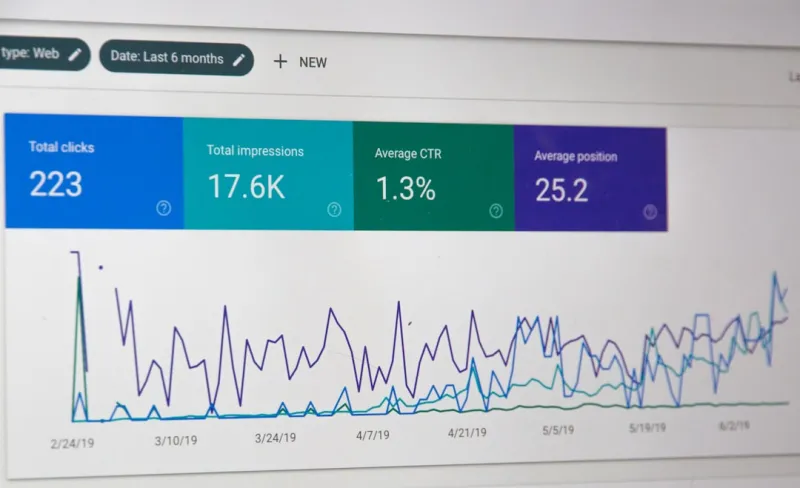
- Impression Share for Rich Results: Google Search Console now shows how often your FAQ or HowTo appears in mobile SERPs.
- Click‑Through Rate (CTR) Lift: Compare pre‑ and post‑implementation CTRs for the same queries.
- Engagement Time: Users who land from rich snippets often spend less time on the page but have higher conversion rates, indicating they found what they needed quickly.
- Conversion Rate (CR) from Mobile: Segment conversions by source (rich snippet vs. regular organic) to quantify the direct impact.
In a recent project, implementing FAQ schema on three core product pages lifted mobile CTR by 38% and boosted trial sign‑up conversions by 12% within the first month. The numbers speak for themselves.
Common Pitfalls and How to Avoid Them
Even with a solid plan, teams stumble over a few recurring mistakes:
- Over‑loading pages with irrelevant schema. Google may penalize you for “spammy” markup. Keep it tightly aligned with the page’s primary intent.
- Neglecting mobile‑specific language. Use concise answers and avoid jargon; mobile users appreciate brevity.
- Forgetting to update schema when product features change. Set up a webhook or automated script to refresh JSON‑LD whenever your pricing API updates.
- Ignoring structured data testing. A tiny syntax error can nullify the entire implementation, so integrate testing into your CI pipeline.
Integrating Structured Data with Other Mobile SEO Strategies
Structured data isn’t a standalone tactic; it shines when layered with complementary mobile SEO practices:
- Core Web Vitals. Fast LCP and low CLS ensure that users who click through from rich snippets land on a smooth experience, reinforcing trust.
- Mobile‑first content hierarchy. Use concise headings, bullet points, and visual hierarchy to match the quick‑read nature of SERP snippets.
- Deep linking. While deep links guide users directly to in‑app content, schema can act as the “preview” that convinces them to click. For a deeper dive, check out the Turning Mobile Deep Links into SaaS Growth Engines guide.
- Zero‑click optimization. By mastering rich results, you’re essentially owning the zero‑click space. Learn more about this strategy in our Zero‑Click SEO for SaaS article.
Future‑Proofing: Structured Data in a Voice‑First, AI‑Driven World
Even though this post focuses on visual mobile SERPs, the same schema fuels voice assistants and AI chatbots. When a user asks, “What’s the best SaaS for project management on my phone?” Google’s AI will pull from your FAQ and HowTo markup to craft a spoken answer. By investing in structured data now, you’re future‑proofing your brand for emerging search modalities.
Action Plan: 5 Steps to Get Started Today
- Audit your top mobile landing pages. Use Search Console to identify pages with high impressions but low CTR.
- Select relevant schema types. Match each page’s intent with the appropriate schema (FAQ, HowTo, Product, etc.).
- Implement JSON‑LD via a template. Keep it DRY—one template per schema type, fed by your CMS or API.
- Validate and publish. Run the Rich Results Test, fix any errors, then push to production.
- Monitor and iterate. Track the KPIs mentioned above, and refine the content or schema as needed.
Remember, the goal isn’t just to rank; it’s to communicate value at a glance. Structured data gives you that instant “aha!” moment on mobile screens, turning casual browsers into qualified leads.
Wrapping Up
Mobile SEO has evolved beyond page speed and responsive design. In a landscape where attention spans are measured in seconds, the ability to surface rich, context‑aware answers directly on the SERP is a competitive advantage you can’t afford to ignore. By thoughtfully applying structured data, you’ll not only boost visibility but also create a frictionless pathway from search to signup—exactly the kind of growth engine every SaaS team dreams of.

Paula Wright writes from her home in Toronto Ontario, where she lives with her husband, Steve, and their two children. Driven by curiosity and a passion for storytelling, Paula loves to uncover the "why" and "how" behind every topic she covers. Her writing is fueled by her adventures; when she’s not at her desk, you’ll find her out on the road, camping under the stars, or wandering a new trail. Paula brings a sense of discovery and a fresh, real-world perspective to everything she writes for us.
Related Posts

Mobile SEO Playbook for B2B SaaS: From Core Web Vitals to PWAs
This guide walks B2B SaaS leaders through a comprehensive mobile SEO strategy—covering Core Web Vi... Read More

Mobile SEO Playbook for SaaS: Turning Pocket‑Size Browsers Into Growth Engines
A practical guide that walks SaaS marketers through the essential steps to optimize for mobile searc... Read More

Mobile SEO: The Key to Unlocking Your Website's Full Potential
Mobile SEO is crucial for your website's success. Learn why and how to optimize for the small screen... Read More
Top Posts

Unlocking Crawl Efficiency with Smart Robots.txt & Sitemaps
Learn to turn robots.txt and sitemaps into powerful tools for crawl efficiency, protecting low‑value pages while boosting visibility of high‑value content....Read More

Turning Employees into Your Most Powerful Social Media Amplifiers
Employee advocacy transforms every employee into a credible brand ambassador, delivering authentic reach, trust, and measurable pipeline impact—without blowin...Read More

Technical SEO in the Age of Empathy: Why Human‑Centric Signals Matter
Technical SEO isn’t just code—it’s about listening to users. Explore empathy‑driven tactics that align crawl budget, structured data, and mobile‑first...Read More
The Evolution of SEO: How to Stay Ahead in a Rapidly Changing Landscape
The evolution of SEO is a rapidly changing landscape. Learn how to stay ahead with the latest trends and best practices in technical SEO, content quality, and u...Read More
0 Comments
Post Comment
You will need to Login or Register to comment on this post!