

Why “Just a Google My Business Listing” Won’t Cut It Anymore
When I first rolled out a SaaS product that served multiple towns, I thought a Google Business Profile (formerly GMB) was the holy grail for local visibility. A quick claim, a snappy tagline, and I was ready to dominate the map pack. The reality? A crowded map pack, fluctuating rankings, and a flood of generic reviews that did nothing for conversions. What saved the day was a shift from “listing‑centric” thinking to a data‑driven, hyper‑local strategy that treats each zip code like a mini‑marketplace.
Understanding the Hyper‑Local Funnel
Local SEO isn’t just a funnel that starts with “I’m on the map.” It’s a multi‑stage journey:
- Discovery: Users search “best CRM for Springfield” or “project management software near Midtown.”
- Evaluation: They compare star ratings, read reviews, and skim through the About section of your profile.
- Conversion: They click through to a localized landing page or call the listed phone number.
- Advocacy: After a successful trial, they leave a review that fuels the next cycle.
Each stage has its own metrics, and ignoring any of them means you’re leaving money on the table.
Step 1: Build a “Local Content Cluster” Around Every Service Area
Instead of a single, generic landing page, create a cluster of micro‑pages that each target a specific city, neighborhood, or even a prominent landmark. Here’s how to keep it scalable:
- Keyword Mapping: Use tools like Ahrefs or SEMrush to discover long‑tail queries that combine your core SaaS offering with local modifiers (e.g., “team collaboration tool in Oakwood Park”).
- Template Architecture: Develop a content template that includes a localized headline, a brief city‑specific intro, a case study excerpt from a local client, and a CTA that points to a city‑specific demo calendar.
- Dynamic Insertion: For SaaS platforms with a CMS, inject variables (city name, local stats) programmatically to avoid duplicate content penalties.
This approach not only improves relevance signals for Google’s local algorithm but also gives sales teams a ready‑made page to send to prospects during outreach.
Step 2: Leverage Structured Data Beyond the Basics
Most SaaS marketers add the LocalBusiness schema and call it a day. The truth is, Google can understand far more nuance if you feed it the right JSON‑LD:
- ServiceArea: Define the exact cities or radius you serve. Example:
"serviceArea": {"@type":"Place","address":{"addressLocality":"Bayside","addressRegion":"NY"}}. - OfferCatalog: List out the subscription tiers you support locally, especially if you have region‑specific pricing.
- Review and AggregateRating: Pull in verified reviews from your SaaS platform via API to keep the rating fresh.
When Google sees a rich, up‑to‑date schema, it’s more likely to surface your profile in the “knowledge panel” or as a “featured snippet” for local queries.
Step 3: Turn Reviews into Actionable Data
Reviews are gold, but only if you mine them for insights. Here’s a three‑step process I use:
- Automated Sentiment Tagging: Use a lightweight NLP model (even a hosted API) to classify each review as praise, pain point, or feature request.
- Local Issue Dashboard: Plot sentiment by zip code. If “slow onboarding” spikes in Riverside, you know to adjust your implementation guide for that market.
- Review Response Playbook: Draft response templates that address common concerns while embedding targeted keywords (“fast onboarding for Riverside teams”).
Beyond boosting your rating, you’ll have a real‑time pulse on regional needs—information you can feed back into product development.
Step 4: Geo‑Fence Your Paid and Earned Efforts
Paid ads and PR can amplify your hyper‑local push, but they need geographic precision:
- Geo‑Fenced PPC: Create ad groups that target a 10‑mile radius around each service area. Use ad copy that mirrors your local landing page headline for message match.
- Local Influencer Outreach: Identify community leaders or niche bloggers (think “Tech Meetups in West End”) and offer them a free trial in exchange for a localized testimonial.
- Event Sponsorship: Sponsor a local hackathon or workshop and capture the event’s schema.org/Event markup to earn additional local citations.
When your paid signals and earned mentions align with the same geo‑targets, Google sees a cohesive local relevance story.
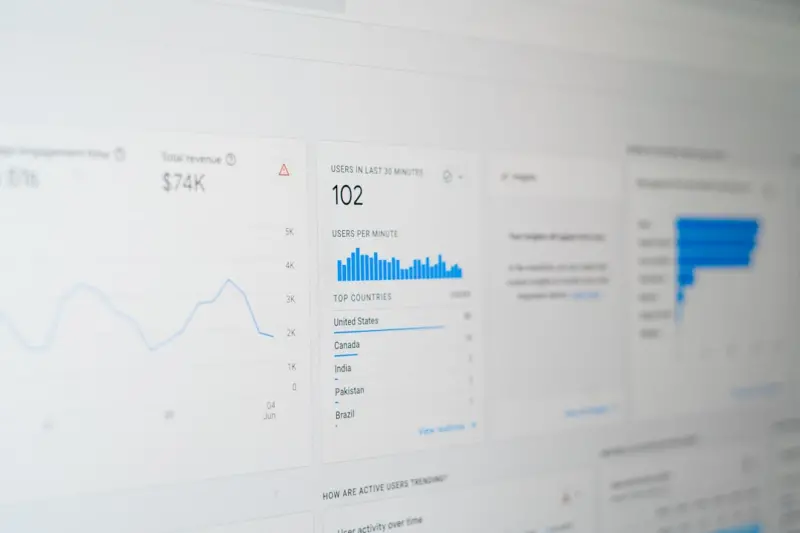
Step 5: Measure Success with a Hyper‑Local Dashboard
Standard SEO dashboards won’t surface the granularity you need. Build a custom view that tracks:
- Impressions and clicks from Google Maps (via Crawl Budget Mastery data).
- Local organic rankings for each city‑specific keyword.
- Review volume and sentiment by zip code.
- Conversion rates on each localized landing page.
By visualizing these metrics side‑by‑side, you can quickly spot which markets are thriving and which need a tactical pivot.
Step 6: Future‑Proof with Voice and Conversational Search
Even though “Mobile Voice Search” was covered elsewhere, the local angle is still emerging. When a user asks, “What’s the best project management tool for teams in Lakeview?” Google’s answer often pulls from the Google Business Profile and the top local landing page.
To capture this:
- Incorporate natural‑language FAQs on each localized page (e.g., “How does our tool handle remote teams in Lakeview?”).
- Use
FAQPageschema to help Google surface those Q&A snippets directly in voice answers. - Test your answers with tools like Answer the Public to ensure you’re covering the phrasing users actually speak.
Voice isn’t a separate channel; it’s a delivery format for the same local signals you’re already optimizing.
Real‑World Example: Scaling from One Town to Fifty
My team once managed a SaaS product with a single local landing page for “Sanford”. After applying the hyper‑local framework, we:
- Created 48 city‑specific pages covering a 100‑mile radius.
- Implemented
ServiceAreaschema for each page. - Automated review sentiment analysis using a Python script that called the Google My Business API daily.
- Launched geo‑fenced PPC campaigns with a 20% lower CPA compared to the generic campaign.
The result? A 3.8× increase in map pack impressions, a 2.1× lift in localized demo sign‑ups, and a 15% boost in overall churn reduction—because the product felt “made for my town.”
Putting It All Together: Your 30‑Day Hyper‑Local Sprint
Don’t try to overhaul everything at once. Here’s a pragmatic, 30‑day plan:
- Week 1: Identify top 10 target locales and perform keyword mapping.
- Week 2: Build and publish the first batch of localized landing pages using the template.
- Week 3: Add enriched
LocalBusinessandServiceAreaschema to each page. - Week 4: Launch geo‑fenced PPC for those locales and set up the review sentiment dashboard.
At the end of the month, review the hyper‑local dashboard. Double down on the markets that are delivering the highest ROI and iterate on the rest.
Conclusion: Local SEO Is No Longer a “Nice‑to‑Have”
For SaaS companies, local relevance used to be a niche concern. Today, it’s a competitive moat. By treating each geography as a distinct persona, enriching your data with precise schema, and turning reviews into a feedback engine, you can dominate the map pack, fuel your sales pipeline, and ultimately deliver a product experience that feels tailor‑made for every town you serve.

Tom Ferguson is a Canadian freelance writer with a passion for storytelling, current events, and thoughtful commentary. Drawing on years of writing experience, he shares engaging insights on a wide range of topics, bringing a uniquely Canadian perspective to his work.
Related Posts
Hyperlocal SERP Mastery: Winning the 5‑Mile Radius Game
A fresh playbook reveals how hyperlocal SERP features, real‑time inventory feeds, and community‑... Read More

Local Influencer Partnerships: A Game‑Changer for Community SEO
Learn why local influencers are the secret weapon for SEO, how to find and collaborate with them, an... Read More

Neighborhood Content Hubs: A Fresh Playbook for Local SEO Success
Learn a new local SEO strategy that uses neighborhood‑focused content hubs, data‑driven geo‑ta... Read More
Top Posts

Zero‑Click SEO: Turning SERP Snippets into SaaS Lead Magnets
Zero‑click SEO transforms search results into direct brand touchpoints. This guide shows SaaS marketers how to map intent, atomize content, and leverage schem...Read More

Interactive Content as the New Link‑Building Engine
Discover how interactive quizzes, calculators, and maps can become powerful link magnets, driving organic backlinks and boosting SEO performance....Read More

Mobile Site Architecture: Boost Rankings with Smart Navigation and Internal Links
Learn the essential steps to design a mobile‑first site architecture that enhances user experience, optimizes crawl budget, and drives higher rankings in sear...Read More

The Experience Economy: Turning eCommerce Into an Immersive Playground
Learn practical steps to embed AR, video, and community-driven co‑creation into your eCommerce platform, creating memorable moments that turn shoppers into li...Read More
0 Comments
Post Comment
You will need to Login or Register to comment on this post!