
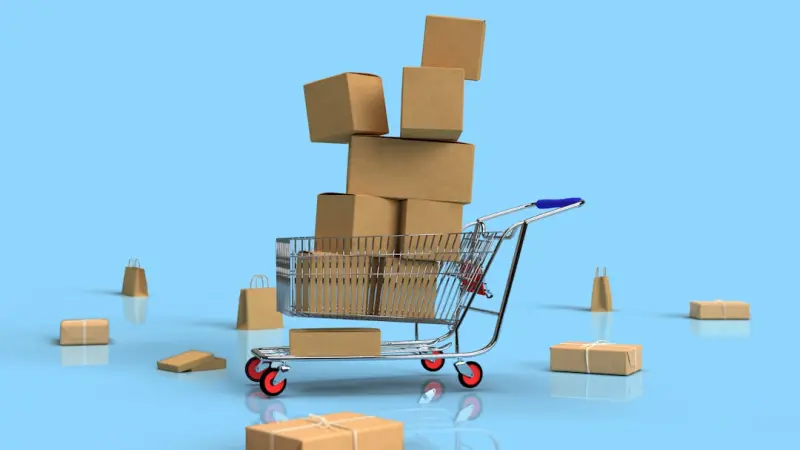
Why Live Shopping is the Next Frontier for eCommerce Brands
When I first saw a fashion influencer demonstrate a dress in real‑time, I felt a familiar spark – the same excitement that makes a well‑crafted product page click. But this time, the interaction was live, spontaneous, and undeniably human. Live shopping isn’t a passing fad; it’s a seismic shift in how consumers discover, evaluate, and purchase products online. In this post I’ll unpack why live shopping matters, how it reshapes the buyer journey, and the practical steps you can take to embed it into your eCommerce strategy without breaking the bank.
The Psychology Behind Real‑Time Commerce
Human beings are wired for social interaction. In a physical store, sales associates answer questions, showcase items, and create a sense of urgency through limited‑time offers. Live streaming recreates that environment digitally, delivering three psychological triggers that drive conversion:
- Scarcity & FOMO: Viewers see limited‑stock alerts and countdown timers in real time, prompting quick decisions.
- Social Proof: Real‑time comments, likes, and shared experiences act as immediate testimonials, lowering perceived risk.
- Authenticity: Seeing a product used live reduces the “shop‑online‑blindly” anxiety and builds trust.
These cues are not new – they’ve powered brick‑and‑mortar sales for centuries – but the digital medium amplifies them, reaching audiences across geographies with a single broadcast.
Live Shopping vs. Traditional Video Content
It’s easy to conflate live streams with pre‑recorded product videos, but the distinction is crucial. Recorded videos are static; they can be edited, polished, and re‑watched. Live streams, however, are dynamic, allowing viewers to:
- Ask questions in the chat and receive on‑the‑spot answers.
- Vote on which product variant the host should showcase next.
- Participate in flash giveaways that only occur during the broadcast.
This interactivity creates a feedback loop that informs inventory decisions, content direction, and even product development. Brands that treat live sessions as data‑rich events can iterate faster than those relying solely on post‑campaign surveys.
Technical Foundations: From Platform Choice to Seamless Checkout
Implementing live shopping may sound daunting, but the technical stack is surprisingly modular. Below is a step‑by‑step blueprint:
- Select a streaming platform: Options range from dedicated eCommerce live‑shopping solutions (e.g., Bambuser, CommentSold) to broader social channels like Instagram Live, TikTok, and YouTube. Your choice should align with where your target audience already spends time.
- Integrate a real‑time chat overlay: A responsive chat ensures that questions surface instantly. Some platforms provide native chat; others require a third‑party widget.
- Connect product catalog to the stream: Use an API to pull product details (price, inventory, SKU) into the live UI so viewers can click and add to cart without leaving the video.
- Enable instant checkout: Embed a streamlined checkout flow that supports mobile deep links to bypass intermediate pages. This reduces friction and keeps the buying impulse hot.
- Leverage analytics: Track viewer count, engagement spikes, click‑through rates, and post‑stream conversion. These metrics inform future content and inventory planning.
Content Strategy: From Scripted Demos to Authentic Storytelling
While a polished script can ensure key messages hit the mark, the magic of live shopping lies in authenticity. Here’s a hybrid approach that balances structure with spontaneity:
- Pre‑show teaser: Release short clips announcing the event, highlighting featured products and any exclusive deals.
- Opening hook: Begin with a personal anecdote or a bold claim that captures attention within the first 30 seconds.
- Live demo: Demonstrate the product in real use, addressing common pain points. Encourage viewers to type their questions.
- Interactive poll: Use the chat to let viewers choose between color options, accessories, or even the next product to showcase.
- Limited‑time offer: Reveal a discount code that expires at the end of the broadcast, reinforcing scarcity.
- Closing recap: Summarize key benefits, restate the offer, and provide a clear CTA linking back to the checkout.
This flow respects the viewer’s time while still delivering the immersive experience that sets live shopping apart.
Case Study: A Mid‑Size Beauty Brand’s 3‑Month Live Shopping Journey
To illustrate the impact, let’s examine a hypothetical but realistic scenario. “GlowAura,” a mid‑size cosmetics brand, launched a weekly live‑shopping series on Instagram. Their objectives were to boost average order value (AOV) and reduce cart abandonment.
| Metric | Before Live Shopping | After 3 Months |
|---|---|---|
| Average Order Value | $58 | $73 (+26%) |
| Cart Abandonment Rate | 68% | 52% (-16 pts) |
| Live Viewership (avg.) | N/A | 4,200 viewers |
| Conversion Rate (live viewers) | N/A | 12% (vs. 3% site‑wide) |
Key tactics they employed:
- Integrated AI‑powered visual search on the product pages, allowing viewers to instantly find similar shades after the demo.
- Used mobile deep links to route viewers from the Instagram story swipe‑up directly to the checkout page, cutting the funnel to two clicks.
- Featured user‑generated content by inviting customers to share their own live‑shopping experiences, amplifying social proof.
The result? Not only did sales spike during the broadcasts, but the brand also saw a lasting lift in organic traffic as viewers searched for the featured products weeks later.
Measuring Success: KPI Dashboard Essentials
Live shopping generates a flood of data. To avoid analysis paralysis, focus on a core set of KPIs that align with business goals:
- Peak concurrent viewers: Indicates the reach of each broadcast.
- Engagement rate: Ratio of chat interactions to total viewers.
- Click‑through rate (CTR) to product pages: Shows how compelling the demo is.
- Conversion rate from live viewers: The ultimate measure of revenue impact.
- Average order value (AOV) uplift: Tracks upsell/cross‑sell effectiveness during the stream.
- Post‑event sales lift: Measures the “halo effect” of the broadcast on subsequent days.
Visual dashboards that update in real time help teams react on‑the‑fly – for instance, launching a flash discount if the engagement rate dips.
Common Pitfalls & How to Avoid Them
Even seasoned marketers can stumble when transitioning to live commerce. Here are the most frequent missteps and quick fixes:
| Pitfall | Impact | Solution |
|---|---|---|
| Unstable streaming quality | Viewer drop‑off, brand credibility loss | Invest in a reliable encoder and test bandwidth; have a backup internet source. |
| Complex checkout flow | High cart abandonment | Implement deep‑link checkout and one‑click payment options. |
| Ignoring inventory sync | Overselling, backorders | Use real‑time inventory APIs to update product availability instantly. |
| One‑size‑fits‑all content | Poor engagement, low relevance | Segment audiences and tailor product demos to each segment’s preferences. |
Scaling Live Shopping: From Single Host to Brand‑Wide Network
Once you’ve proven the concept, consider scaling in three stages:
- Multi‑host rotation: Train a roster of brand ambassadors, influencers, and even product managers to host. This keeps content fresh and taps into different follower bases.
- Regional broadcasts: Schedule streams in multiple time zones, localizing language and product assortments to capture global demand.
- Integrated omnichannel experience: Sync live shopping with in‑store events, email newsletters, and retargeting ads. For example, a viewer who missed the live stream receives a personalized recap video and a limited‑time coupon.
Future Outlook: The Role of Emerging Technologies
Live shopping sits at the intersection of several emerging trends that will shape its evolution:
- Augmented Reality (AR) overlays: Viewers could try on products virtually during the stream, merging live demonstration with immersive try‑on.
- AI‑driven host assistants: Natural language processing can power real‑time product recommendations based on chat sentiment.
- Blockchain‑secured loyalty tokens: Reward viewers with tradable tokens for participation, fostering a gamified ecosystem.
While these technologies are still maturing, early adopters who experiment now will set the standard for the next generation of eCommerce experiences.
Getting Started: Your 30‑Day Live Shopping Sprint
Ready to dive in? Here’s a practical 30‑day action plan:
- Day 1‑5: Define objectives (e.g., 10% AOV lift), select a platform, and map out the product lineup.
- Day 6‑10: Set up technical integrations – connect your catalog, enable deep‑link checkout, and test streaming quality.
- Day 11‑15: Recruit and train hosts. Conduct dry runs to fine‑tune pacing and Q&A handling.
- Day 16‑20: Launch a teaser campaign across email, social, and paid ads. Build anticipation with sneak‑peek clips.
- Day 21‑25: Go live! Run at least two sessions to gather data, monitor KPIs, and adjust offers in real time.
- Day 26‑30: Analyze results, compile a post‑event report, and iterate on the format for the next month.
Even a modest pilot can deliver meaningful insights and revenue spikes. The key is to treat each broadcast as an experiment, learn fast, and scale the winners.
Conclusion: Turn Viewers into Loyal Shoppers
Live shopping transforms passive browsers into active participants, blending the immediacy of social interaction with the convenience of eCommerce. By harnessing real‑time engagement, seamless checkout pathways, and data‑driven iteration, brands can unlock a new growth engine that feels as natural as a conversation with a trusted friend. The technology is ready, the audience is hungry, and the playbook is yours to write. Start your live‑shopping journey today, and watch your conversion metrics come alive in real time.

Paula Wright writes from her home in Toronto Ontario, where she lives with her husband, Steve, and their two children. Driven by curiosity and a passion for storytelling, Paula loves to uncover the "why" and "how" behind every topic she covers. Her writing is fueled by her adventures; when she’s not at her desk, you’ll find her out on the road, camping under the stars, or wandering a new trail. Paula brings a sense of discovery and a fresh, real-world perspective to everything she writes for us.
Related Posts
Sustainable Packaging: The Unseen Engine Driving eCommerce Loyalty
Sustainable packaging isn’t just an environmental checkbox—it’s a strategic growth lever. Lear... Read More
Immersive Commerce: How AR, VR, and Live Shopping Are Redefining Online Retail
Immersive commerce—using AR, VR, and live shopping—offers a new way to reduce returns, increase ... Read More
The Future of E-commerce: How Social Media and SEO Are Revolutionizing Online Sales
The world of e-commerce is rapidly evolving. Learn how social media and SEO are driving online sales... Read More
Top Posts
International Technical SEO Playbook for SaaS
A deep dive into the technical steps SaaS businesses need to dominate global search—from hreflang tags and CDN optimization to localized structured data and i...Read More
The Power of Social Media in Modern Marketing
Social media has become an essential channel for businesses to reach their target audiences. Learn how to leverage social media for SEO and create a winning str...Read More

Turning Returns into Revenue: A Post‑Purchase Playbook
Explore a step‑by‑step playbook that transforms eCommerce returns from a loss into a revenue source through data‑driven insights, instant credit upsells, ...Read More

Mastering Google Passage Indexing for SaaS Growth
Google’s passage indexing lets individual paragraphs rank like mini‑pages. This guide shows SaaS marketers how to audit, optimize, and measure passages to c...Read More
0 Comments
Post Comment
You will need to Login or Register to comment on this post!