
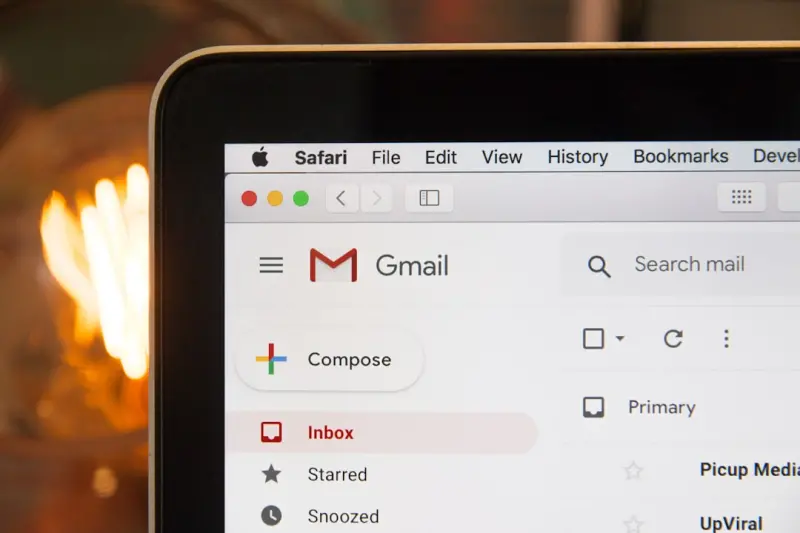
When I first started experimenting with email marketing for SaaS, I treated each blast like a generic billboard—big, bold, and hoping the right person would glance at it. That approach, while occasionally lucky, felt increasingly out‑of‑step in a world where inboxes are crowded, attention spans are shrinking, and buyers expect conversations that feel hand‑crafted just for them. The secret sauce I’ve discovered over the past few years is simple in concept but powerful in execution: let artificial intelligence do the heavy lifting of personalization, then step in to add the human nuance that turns a data point into a dialogue.
Why Traditional Segmentation Is No Longer Enough
Classic segmentation—grouping contacts by industry, company size, or job title—has been the backbone of SaaS email strategies for a decade. It works, but it’s akin to sending a letter addressed only to “CEO” without any knowledge of the specific challenges that CEO is facing right now. The result is a decent open rate, but the deeper metrics that matter—click‑through, demo requests, and closed‑won opportunities—often plateau.
What’s missing is the ability to speak to the prospect’s current context. Are they just reading a recent product update? Have they just attended a webinar on churn reduction? Did a competitor’s blog post just go viral? Each of these moments is an opening for a hyper‑personalized email that says, “I see what you’re dealing with, and here’s a solution tailored for you.”
The AI Engine Behind the Personal Touch
Enter AI‑driven email platforms that combine natural language processing (NLP), predictive analytics, and behavioral data. These tools ingest signals from your CRM, website activity, product usage logs, and even external news feeds. They then generate a “persona snapshot” that updates in real time, allowing you to craft emails that reflect the prospect’s latest actions and needs.
For instance, an AI model might notice that a prospect in the fintech space has just downloaded a whitepaper about “Regulatory Compliance Automation.” The system flags this interest, cross‑references it with the prospect’s usage data (perhaps they’ve recently hit a usage limit on your compliance module), and suggests email copy that highlights a new feature release that directly addresses that pain point.
What makes this approach revolutionary isn’t just the data it pulls together, but the way it automatically rewrites the copy to feel conversational. Think of it as a co‑author that drafts a first draft for you, which you then polish with your brand voice. This synergy between machine efficiency and human creativity dramatically cuts down on the time spent writing each email while boosting relevance.
Building the Framework: From Data Collection to Delivery
Here’s a step‑by‑step blueprint that I’ve refined for SaaS teams ready to adopt AI‑powered email personalization:
- Unify Your Data Sources. Pull together CRM fields, product analytics, website behavior (via tools like Segment or Snowplow), and third‑party intent data. The richer the dataset, the more granular the persona snapshots become.
- Define Trigger Events. Identify the moments that merit a personalized outreach—e.g., a trial activation, a feature usage spike, a support ticket, or a competitor mention in the news.
- Train the AI Model. Use historical campaign data to teach the model which signals correlate with higher conversion rates. Many platforms offer pre‑trained models, but fine‑tuning them with your own data yields better results.
- Generate Dynamic Templates. Build email templates with placeholders that the AI can fill in: {{firstName}}, {{recentFeatureUsed}}, {{industryTrend}}. Keep the surrounding copy consistent with your brand’s tone.
- Human Review Loop. Set up a quick approval step where a copywriter reviews AI‑generated drafts before they hit the inbox. This ensures nuance, compliance, and brand alignment.
- Test, Measure, Iterate. Deploy A/B tests comparing AI‑personalized emails against your traditional segmented sends. Track open, click, reply, and downstream revenue metrics to refine the model.
Case Study: Turning a Stagnant Funnel Into a Revenue Engine
One of our SaaS clients—a B2B project‑management platform—was seeing a 15% open rate but a dismal 1.2% click‑through on their monthly newsletter. After implementing an AI‑driven personalization workflow, the results shifted dramatically:
- Open rates climbed to 28%—a 13‑point jump.
- Click‑through rose to 5.6%, reflecting a 4.4‑point increase.
- Demo requests from email‑derived leads grew by 73% within the first quarter.
The catalyst was a series of emails that referenced each prospect’s most recent project board activity. For a user who had just created a “Product Launch” board, the email highlighted a new integration with popular launch‑tracking tools, complete with a short video demo. The AI identified that activity, drafted the copy, and the copywriter added a personal note about “exciting times for product launches.” The blend of timely relevance and human touch turned a cold newsletter into a conversation starter.
Integrating AI Email Personalization With Your Wider Marketing Stack
While AI‑driven email is a powerhouse on its own, its true potential shines when it syncs with other digital marketing channels. Here are three ways to create a cohesive, multi‑touch experience:
- Retargeted Ads Aligned With Email Content. Use the same persona snapshot to serve dynamic ads on LinkedIn or Twitter that echo the email’s message, reinforcing the narrative across platforms.
- Social Listening for Real‑Time Adjustments. Platforms that monitor brand mentions can feed fresh sentiment data into your AI model, prompting an immediate follow‑up email that addresses a trending concern. For deeper insight, check out how real‑time social listening fuels SaaS growth.
- Content Recommendations in Email. Leverage AI to surface the most relevant blog posts, case studies, or product guides based on the prospect’s behavior, ensuring each click leads to material that moves them down the funnel.
Beyond the Inbox: Measuring the Real Business Impact
It’s tempting to celebrate higher open rates, but the ultimate goal is revenue. To gauge true impact, map email interactions to downstream metrics:
- Lead Scoring Adjustments. Increase a lead’s score after they click an AI‑personalized link, signaling higher intent to your sales team.
- Closed‑Loop Attribution. Connect email touchpoints to CRM stages—MQL, SQL, and Closed‑Won—to see how each personalized email contributes to the pipeline.
- Customer Lifetime Value (CLV) Uplift. Track whether customers who engaged with AI‑personalized nurture sequences exhibit higher renewal rates or expand their usage.
Common Pitfalls and How to Avoid Them
Even with sophisticated AI, missteps can erode trust:
- Over‑Personalization. Including too many data points can feel invasive. Stick to information the prospect has already shared or that’s publicly available.
- Stale Data. An AI model fed outdated usage data will generate irrelevant copy. Ensure real‑time syncing between your product analytics and email platform.
- Ignoring Compliance. Personal data must be handled in line with GDPR, CCPA, and other regulations. Build privacy checks into the automation workflow.
Future‑Proofing Your Email Strategy
The next wave of AI email personalization will likely incorporate generative models that can craft entire multimedia assets—short videos, GIFs, or even interactive micro‑apps—directly within the email body. While that technology is still emerging, preparing your data foundation now ensures you’ll be ready to leverage it when it becomes mainstream.
In the meantime, combine AI’s scalability with the human empathy that only a seasoned marketer can bring. The result is an inbox experience that feels less like a marketing blast and more like a trusted advisor dropping by with exactly the insight you need, when you need it.
Putting It All Together: Your Action Plan
- Audit Your Data. List every source of prospect behavior you currently capture.
- Select an AI Email Platform. Look for solutions that support dynamic placeholders and provide a human review workflow.
- Map Trigger Events. Define at least five key moments that will prompt a personalized email.
- Create Template Skeletons. Draft three to five email structures that can be dynamically populated.
- Launch a Pilot. Run a small‑scale campaign targeting a segment of your existing contacts. Measure lift against a control group.
- Iterate and Scale. Refine the AI model based on performance, then roll out to broader audiences.
When you blend the precision of AI with the authenticity of a human voice, you create a feedback loop where each email not only informs but also learns. That loop is the engine that will keep your SaaS brand top‑of‑mind in an increasingly crowded digital landscape.
If you’re curious about how AI is already reshaping other facets of SaaS marketing, take a look at how AI prompt engineering is reshaping SaaS SEO. The principles are remarkably similar—data‑driven, automated, and then refined by human expertise.

Tammy French is a Montessori Teaching Assistant and freelance writer passionate about education, creativity, and inspiring lifelong learning through engaging content.
Related Posts
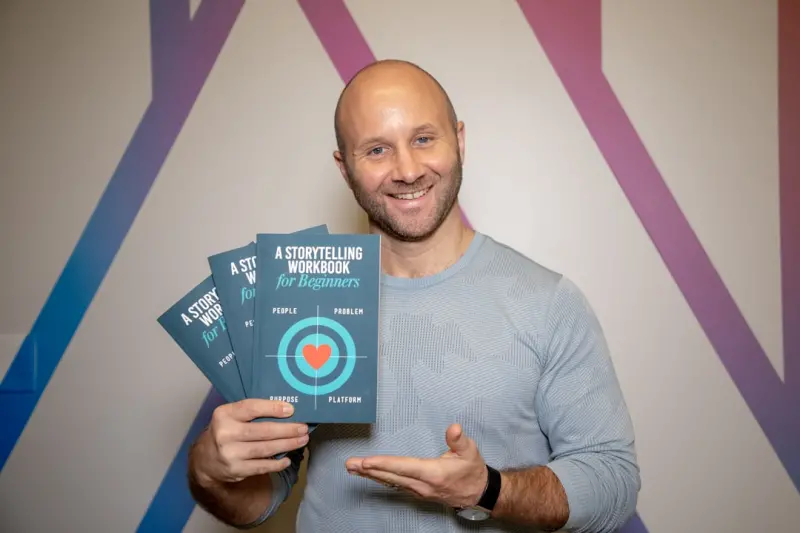
Predictive Personalization: AI’s New Playbook for SaaS Marketers
Predictive personalization uses first‑party data and AI models to anticipate buyer intent, deliver... Read More

Storytelling with Data: A New Playbook for Digital Marketers
Discover a step‑by‑step guide to blending data with narrative, using privacy‑first principles ... Read More

The Evolution of Digital Marketing: Navigating the Shifting Landscape
Digital marketing is constantly evolving. Stay ahead of the curve with the latest trends and technol... Read More
Top Posts
The Evolution of Local SEO: Strategies to Stay Ahead
Local SEO is a rapidly evolving field that requires a combination of strategy, creativity, and technical expertise. Learn how to stay ahead of the curve and ada...Read More

The Evolution of Google SEO: Navigating the Ever-Changing Landscape
Google SEO is constantly evolving. Stay ahead of the curve with expert insights on technical SEO, content quality, and social media marketing. Learn how to navi...Read More

Zero‑Click Search Optimization: Turning Google’s Instant Answers into SaaS Wins
Zero‑click search is reshaping how SaaS companies win visibility. This guide walks you through content architecture, schema markup, and testing strategies to ...Read More

The Impact of Artificial Intelligence on Technical SEO
The integration of AI in search engines has significantly improved the way they understand user intent and behavior. Learn how to adapt to the changing landscap...Read More
0 Comments
Post Comment
You will need to Login or Register to comment on this post!