

Understanding the Rise of Zero‑Click Search
When a user types a query and never leaves the search engine page, the traditional click‑through model feels obsolete; this phenomenon, known as zero‑click search, now dominates more than half of all organic interactions on Google. As I sift through analytics dashboards, I notice a subtle shift: impressions soar while clicks dip, yet brand visibility remains intact because Google’s answer boxes, featured snippets, and knowledge panels are doing the heavy lifting. Zero‑click results are not a dead‑end—they’re a new stage where relevance, authority, and concise storytelling converge to answer intent in seconds, and the challenge for us as strategists is to own that stage without relying on the user to click through. By mapping the anatomy of these SERP features, we can identify the exact content formats, schema markup, and topical depth required to surface our brand in the coveted prime real estate of the search results.
One of the most compelling insights comes from the recent volatility in SERP layouts, where Google experiments with carousel snippets, AI‑generated answers, and localized panels that appear and disappear with algorithmic nudges. While many marketers panic over these fluctuations, I view them as an invitation to diversify our presence across multiple zero‑click formats simultaneously. The SERP volatility insights highlight that a single, well‑structured piece of content can feed a featured snippet, a “People also ask” box, and even a visual carousel if we layer structured data correctly. This redundancy not only cushions us against abrupt changes but also multiplies touchpoints where our expertise can be showcased without a single click.
However, zero‑click dominance is not a blanket win for every keyword; it thrives on clear, concise answers to specific user intents. Long‑tail queries that ask “how to…”, “what is…”, or “best ways to…” are prime candidates for featured snippets, while broad brand queries often trigger knowledge panels that pull from our official site and trusted directories. The trick lies in aligning our content architecture with the question‑answer hierarchy that Google’s natural language models prioritize. This means breaking down pillar topics into bite‑size, answer‑ready sections, embedding schema markup like FAQPage and HowTo, and ensuring that the tone matches the direct, instructional voice users expect when they glance at a result and move on.
Strategic Playbook for Zero‑Click Domination
The first step in our playbook is a rigorous intent audit that goes beyond the classic informational‑navigational‑transactional framework. I start by cataloguing queries that already generate zero‑click impressions for competitors, then reverse‑engineer the structure of the answers they provide. This audit uncovers patterns—such as bullet‑point lists, definition‑style paragraphs, or step‑by‑step instructions—that Google rewards in its answer boxes. Once identified, I redesign our existing content to mirror these patterns, inserting schema.org tags that explicitly tell Google the role of each section, from FAQs to how‑to guides. The result is a content ecosystem that speaks the same language as the search engine, dramatically increasing the odds of being selected for a featured snippet or knowledge panel.
Next, I champion the use of “semantic clustering” to future‑proof our zero‑click strategy. By grouping related concepts under umbrella topics and linking them with internal anchor text, we create a topical map that signals depth and relevance to Google’s AI. This approach dovetails with the dominant SERP feature tactics discussed in recent posts, but it adds a layer of intentionality: each cluster is optimized for a specific zero‑click format, whether it’s a “People also ask” snippet or a quick answer box. The clusters are then bolstered with concise, answer‑focused micro‑pages that serve as the definitive source for a single query, ensuring that Google has no reason to look elsewhere for the information.
Finally, measurement and iteration must be baked into the workflow from day one. Traditional SEO metrics like click‑through rate lose relevance in a zero‑click world, so I shift the focus to impression share, position in answer boxes, and brand lift studies that gauge awareness uplift from non‑click interactions. Tools that surface SERP feature rankings and track schema validation become daily staples, while quarterly content reviews assess whether our answer snippets remain accurate and up‑to‑date. By treating zero‑click results as a distinct KPI—complete with dashboards, alerts, and a feedback loop to the content team—we turn what once felt like a passive loss of clicks into an active, measurable channel of brand authority.
Elevating Brand Authority Through Zero‑Click Content
Beyond raw traffic metrics, zero‑click dominance reshapes how audiences perceive our brand. When our name appears at the top of a featured snippet for a high‑stakes query, we gain an instant credibility boost that can influence purchase decisions downstream, even if the user never visits our site. This subtle form of influence is especially potent in B2B contexts, where decision‑makers often skim answers before committing to a deeper dive. By consistently delivering authoritative, well‑cited answers, we embed our brand into the decision‑making process, fostering trust that translates into higher conversion rates when the user finally does click through.
To amplify this effect, I integrate brand‑specific data points and original research into our zero‑click assets. Google rewards unique, verifiable information, and citing our own studies or industry surveys not only enriches the answer but also creates a natural backlink opportunity when other sites reference our findings. This loop—where our data fuels zero‑click answers, which in turn attract backlinks—creates a virtuous cycle of authority and visibility. Moreover, pairing these insights with visual assets, such as infographics optimized for Google Images, can capture additional zero‑click real estate in the image carousel, further extending our brand’s reach without a single click.
In practice, the transition to a zero‑click‑first mindset requires cultural buy‑in across content, technical, and analytics teams. Writers must think like concise answer providers, developers need to implement and test schema rigorously, and analysts must redefine success metrics. When all parties align around the goal of “being the answer,” the organization becomes more agile, data‑driven, and resilient to the ever‑shifting landscape of search. In my experience, this holistic shift not only safeguards rankings during algorithm updates but also positions the brand as a go‑to authority, turning passive impressions into a lasting competitive advantage.

Sarah Gray is a proud Canadian who calls Brampton home, where she lives with her husband, Paul. A passionate home cook and gifted storyteller, Sarah loves creating delicious recipes and sharing stories inspired by everyday life, family, and cherished experiences. When she isn't experimenting in the kitchen, she's busy crafting engaging content that reflects her warmth, creativity, and love of connection. Above all, Sarah treasures time spent with her grandchildren, embracing every opportunity to create lasting memories with the people she loves most.
Related Posts
Mastering the 2024 SEO Rollercoaster: Strategies from the Front Lines
Jessica Hall breaks down the 2024 SEO rollercoaster, offering data‑driven tactics, AI insights, an... Read More

Kelly Reynolds’ 2024 SEO Playbook: Trends, Tactics, and the Road Ahead
Kelly Reynolds reveals the 2024 SEO playbook: AI‑driven keyword research, Core Web Vitals focus, s... Read More
Conversational SEO: Winning the AI Assistant Race
Discover why optimizing for AI assistants and voice search is essential for B2B SaaS, and get a step... Read More
Top Posts

Riding the Waves of SERP Volatility: A Real‑Time Playbook
SERP volatility can shatter rankings overnight. Discover a real‑time playbook that blends monitoring, AI forecasting, and agile content tweaks to keep your si...Read More
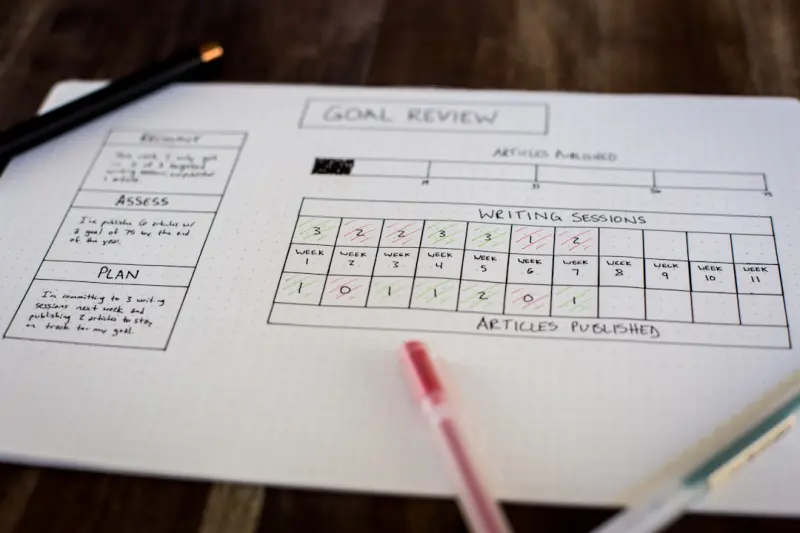
Crawl Budget Mastery: Turning Log Data into SEO Gold
Discover how to harness server logs, refine robots.txt, and optimize modern architectures to boost your crawl budget and elevate organic performance....Read More
Why Mobile‑First SEO Is the New Competitive Edge for SaaS
Mobile‑first SEO isn’t a checkbox; it’s a strategic lever that can shrink sales cycles and increase conversions for SaaS businesses. Learn how to optimize...Read More

Why Social Media Must Evolve From Noise to Conversation
Learn why listening, authenticity, and data‑driven empathy are the keys to transforming social media chatter into lasting brand loyalty....Read More
0 Comments
Post Comment
You will need to Login or Register to comment on this post!