

Why SERP Volatility Is No Longer an After‑thought
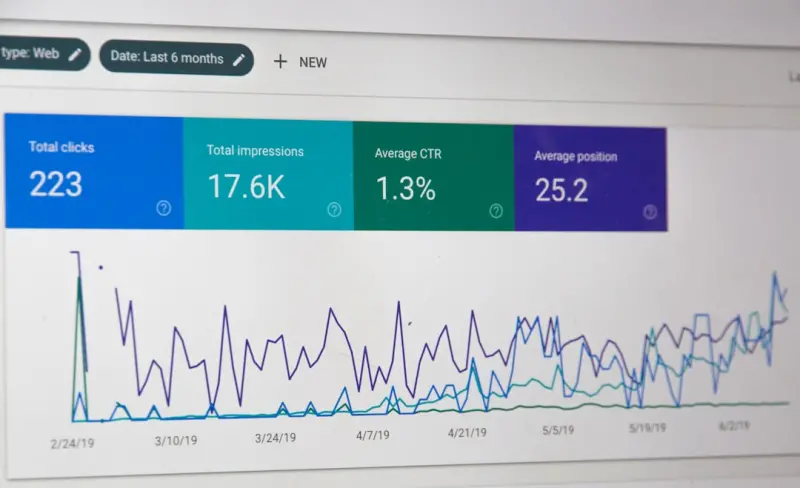
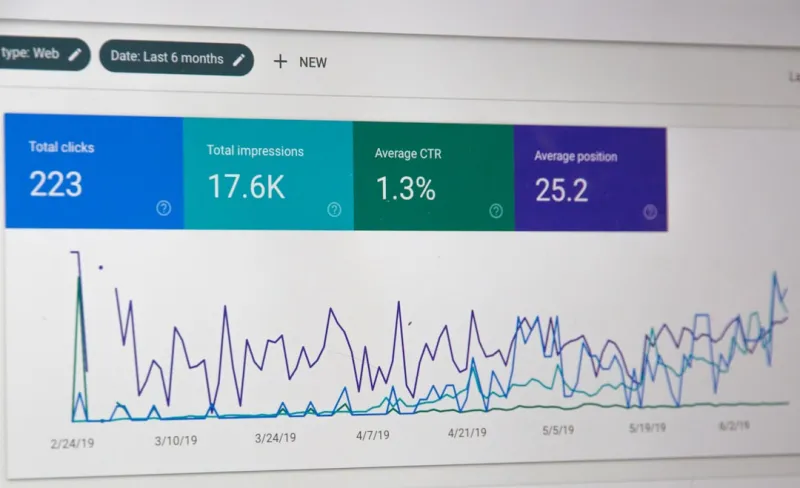
Every morning I stare at my dashboard, and the first thing I notice is the jitter on the keyword graphs—SERP volatility is the new normal, not the exception. A single algorithm tweak or a fresh featured snippet can send a page’s position plummeting 30 places before the coffee even cools, and that ripple effect spreads across brand impressions, traffic, and ultimately revenue. I’ve learned that treating volatility as a static footnote, rather than a dynamic pulse, turns what could be a crisis into a strategic advantage, and that mindset is the cornerstone of my real‑time playbook.
De‑constructing the Anatomy of SERP Volatility
At its core, volatility is the degree of fluctuation in a page’s visibility across the search results page over a short time window, and it can be broken down into three layers: rank oscillation, feature displacement, and intent drift. Rank oscillation measures the raw positional changes for a given keyword, while feature displacement tracks when a result is supplanted by a new rich element such as a “People also ask” box or a shopping carousel. Intent drift, the sneakiest of the trio, occurs when Google’s understanding of a query evolves, prompting the SERP to showcase entirely different content types. By mapping each layer, you can pinpoint whether the volatility you’re seeing is a harmless wobble or a symptom of a deeper relevance mismatch.
Key Metrics to Keep Your Finger on the Pulse
To move from anecdotal panic to data‑driven calm, you need a metric suite that surfaces volatility before it hurts. Rank volatility score, calculated as the standard deviation of positions over a 7‑day window, offers a quick health check; a score above 3.5 usually flags a page that’s at risk. Complement that with a feature churn index, which counts how many times a keyword’s SERP layout swaps between organic, featured, and local results. Finally, monitor the search intent volatility index—a composite of query‑category shifts detected by natural language classifiers. When you see spikes across two or more of these metrics, it’s a signal to activate your rapid‑response workflow.
Real‑Time Monitoring Tools That Don’t Sleep
Traditional rank trackers give you a daily snapshot, but today’s landscape demands minute‑by‑minute vigilance. I rely on a hybrid stack: a cloud‑based SERP scraper that pings the top 10 results every five minutes, paired with a webhook‑enabled alert system that pushes volatility spikes directly to Slack or Microsoft Teams. For the data‑hungry, log file analysis can be retro‑fitted to surface crawling anomalies that often precede a rank swing, such as sudden increases in crawl frequency on a specific URL. By layering these signals, you create a nervous system for your SEO operation that reacts faster than the algorithm itself.
Agile Content Updates: The “Quick‑Fire” Playbook
When a volatility alert fires, the clock starts ticking on a content sprint that should feel more like a fire‑drill than a full‑blown rewrite. I begin with a rapid audit: does the page still match the top‑ranking intent? Are new featured snippets pulling the spotlight? If the answer to either is yes, I draft a quick‑fire update—usually a 150‑word addition that addresses the emerging question, a structured data snippet, or a repositioned heading that aligns with the new SERP format. Because the changes are surgical, they can be deployed within an hour, and the impact can be measured within the next monitoring cycle. This approach turns the volatility curve from a downward slope into a series of short, corrective bursts.
Aligning with Shifting User Intent Without Losing Brand Voice
Search intent is a moving target, and the most successful SEOs are those who can anticipate its next step. By leveraging Entity‑Driven SEO techniques, you can map related concepts and synonyms that Google’s machine learning models are likely to surface as the query evolves. The trick is to weave these entities into existing copy in a way that feels natural, preserving the brand’s voice while expanding topical coverage. For example, if a “best laptop” query starts surfacing “sustainable tech” as an associated entity, you can sprinkle a sentence about eco‑friendly materials into the product comparison without compromising the original review’s authority.
Predictive Modeling: Using AI to Forecast the Next Volatility Spike
Machine learning isn’t just for image recognition; it can also predict SERP turbulence. I feed historical volatility scores, feature churn data, and even Google Trends spikes into a time‑series model that outputs a probability of a rank dip for the next 48 hours. When the model flags a >70% chance, I pre‑emptively schedule a content audit and set the monitoring alerts to a tighter interval. The beauty of this approach is that it converts what used to be a reactive firefighting process into a proactive, data‑backed strategy that saves both time and ad spend.
Case Study: When a Single Featured Snippet Shift Changed the Game
Last quarter, a client in the home‑improvement niche saw a 25‑place drop for a high‑traffic keyword after Google promoted a new “how‑to” video carousel to the top of the SERP. By cross‑referencing the volatility alert with a deep dive into log file analysis, we discovered that Google’s bots were crawling the client’s page more aggressively, hinting at a potential relevance reevaluation. We responded with a rapid video embed that matched the carousel’s format, added concise step‑by‑step markup, and within 48 hours, the page reclaimed its spot in the top three. This turnaround underscored how a blend of real‑time data, AI foresight, and agile execution can neutralize volatility before it becomes a revenue leak.
Looking Ahead: The Future of SERP Stability in an AI‑Dominated World
As generative AI becomes a permanent fixture in search, we can expect even more fluid SERP landscapes where snippets are generated on the fly and ranking signals shift in real time. This means that the only sustainable defense against volatility will be a combination of continuous monitoring, AI‑augmented predictions, and an organizational culture that prizes speed over perfection. Embracing these principles today not only safeguards current rankings but also future‑proofs your digital presence against the inevitable churn that comes with smarter search engines.
Actionable Checklist for Taming SERP Volatility
- Set up a minute‑level SERP scraper with webhook alerts for rank and feature changes.
- Implement a rank volatility score and feature churn index in your SEO dashboard.
- Leverage Data‑Driven Link Building tactics to reinforce authority when volatility spikes.
- Adopt Entity‑Driven SEO to expand topical relevance without diluting brand voice.
- Run a predictive AI model on historical volatility data to forecast future dips.
- Establish a “quick‑fire” content update protocol: audit, edit, deploy within 60 minutes.
- Use log file analysis to surface crawling anomalies that often precede ranking shifts.
- Review and refine the checklist weekly to adapt to new SERP formats and algorithm updates.

Miranda Murphy is a Staff Writer at Domain Authority and an experienced freelance writer with a decade of storytelling expertise helping brands convert complex ideas into high-impact content.
Related Posts

Turning SERP Volatility into a SaaS Growth Engine
Discover how to turn daily SERP rank swings into actionable intelligence, capture emerging search fe... Read More

Why the SERPs Are Turning Human: The Next Evolution of Search Rankings
The SERP is no longer just a rankings list—it’s becoming a trust platform. Learn why authenticit... Read More
Beyond the Blue Links: Mastering SERP Features for Real Visibility
Learn a strategic playbook for claiming rich results across Google’s evolving SERP landscape, from... Read More
Top Posts

Link Magnets: How Interactive Tools Supercharge SaaS Link Building
Interactive tools like calculators, dashboards, and free APIs become natural link magnets. This post outlines a step‑by‑step playbook for SaaS brands to cre...Read More
Empathy‑First SEO: Turning Rankings Into Real Connections
Learn why empathy is the new engine behind SEO, how to blend it with technical foundations, and actionable steps to turn rankings into authentic user relationsh...Read More

Why Private Communities Are the Next Social Frontier for SaaS
Private, invitation‑only communities like Discord, Slack, or proprietary hubs are becoming the most powerful growth channel for SaaS. This post explains why t...Read More

SEO Resilience: Building a Site That Thrives Through Algorithm Volatility
Discover a proven framework for SEO resilience—technical audits, evergreen pillars, diversified backlinks, semantic clusters, and UX signals—that safeguards...Read More
0 Comments
Post Comment
You will need to Login or Register to comment on this post!