
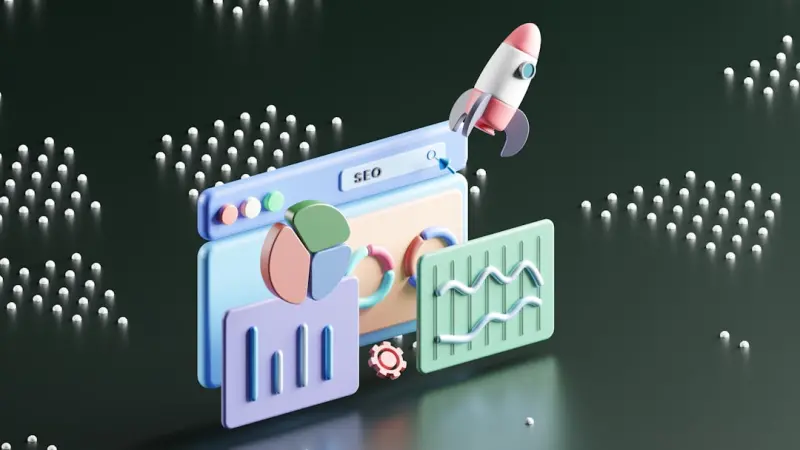
Ever feel like you’re shouting into a void when you publish a brilliant SaaS blog post, only to see a faint ripple in the traffic charts? That’s because the search landscape is shifting from “click‑through” to “zero‑click” experiences. Users are finding answers, snippets, and even full‑fledged product details right on the SERP without ever pressing that all‑important link. For SaaS marketers, this isn’t a crisis—it’s a golden opportunity to win mindshare before the competition even gets a foot on the page.
What a Zero‑Click SERP Really Looks Like
A zero‑click search occurs when the user’s query is answered directly on Google’s results page. Think featured snippets, “People also ask” boxes, knowledge panels, and even the new image‑rich carousel for SaaS tools. The statistic‑driven truth is that upwards of 70% of all queries now end without a click. That’s a seismic shift from the click‑heavy days of keyword‑matching and backlink‑building alone.
For a B2B SaaS company, the implications are crystal clear: if you’re not occupying those SERP real‑estate, you’re handing potential leads to a rival—whether that rival is a competitor, a review site, or even a Wikipedia entry.
Mapping the Zero‑Click Real Estate for SaaS
Before you can stake a claim, you need to understand the layout:
- Featured Snippets: The concise answer box that appears at the top of the results. For SaaS, this could be a quick definition of a core feature, a short “how‑to” or a key metric.
- FAQ Boxes: Google pulls questions from your page and displays them in a collapsible list. Perfect for addressing common buyer concerns.
- Knowledge Panels: A brand’s snapshot—logo, tagline, key facts. Populated by structured data and high‑authority mentions.
- Review Stars: Aggregated ratings that can appear alongside your listing, often sourced from schema‑marked reviews.
- Product Carousels: A row of product cards that showcase pricing, features, and even a “Get a demo” CTA—all without a click.
Each of these elements is an invitation to demonstrate value, authority, and relevance—all within the SERP itself.
Content Engineering for Zero‑Click Success
The traditional “publish‑and‑pray” content model won’t cut it. Think of your page as a structured data playground where every sentence is an opportunity to surface in a feature. Here’s a step‑by‑step approach:
- Identify high‑intent queries: Use search console data and tools like AnswerThePublic to surface questions that already trigger snippets for your niche.
- Craft concise, answer‑first copy: The first 40–50 words should directly address the query. Google loves clear, punchy answers.
- Implement schema markup: Use
FAQPage,HowTo, andProductschemas to flag content for Google’s rich results. - Leverage tabular data: Tables with clear headers often win the coveted “position zero” snippet for comparative queries.
- Test, iterate, repeat: Use the interactive assets approach to gauge engagement and refine the copy that earns the most SERP real‑estate.
When you treat each paragraph like a potential snippet, you’ll naturally produce the clear, well‑structured content that Google rewards.
Schema: The Unsung Hero of Visibility
Schema markup is the engine that fuels most zero‑click features. For SaaS, focus on the following types:
- Product: Populate name, brand, description, SKU, price, and even availability. This fuels product carousels and knowledge panels.
- SoftwareApplication: Detail operating systems, categories, and user ratings. This is the sweet spot for SaaS tools.
- FAQPage: Turn each buyer question into a structured Q&A. Google lifts them directly into the SERP under the “People also ask” banner.
- HowTo: If your SaaS includes a setup process, break it down into steps and mark it up. This can earn a step‑by‑step snippet.
Validate your markup with Google’s Rich Results Test and fix errors immediately—broken markup equals missed opportunities.
Zero‑Click Metrics: Measuring the Invisible Wins
Traditional SEO metrics—organic traffic, rankings, backlinks—don’t fully capture the value of zero‑click features. Introduce new KPIs:
- Impression Share in Rich Results: The percentage of times your brand appears in a featured snippet, FAQ box, or product carousel.
- SERP Position for Zero‑Click Assets: Track the average ranking of your snippets versus standard results.
- Engagement Lift from Rich Snippets: Use schema‑enabled click‑through tags (e.g.,
urlin a product schema) to capture “click‑through” to a demo or free trial directly from the SERP. - Lead Attribution: Tie demo requests back to the specific SERP feature that generated them using UTM parameters in the structured data.
These metrics illuminate the ROI of your zero‑click strategy, proving its impact on the sales funnel.
Technical Foundations: Speed, Security, and Crawlability
Zero‑click SEO isn’t just about content; it’s also about the health of your site. Google’s page‑experience signals—Core Web Vitals, HTTPS, and mobile friendliness—play a direct role in whether your content earns a snippet. If you’re still debating server‑side vs. client‑side rendering, remember that the most reliable way to get crawled content is to deliver the HTML to Googlebot, not rely solely on JavaScript.
Conduct regular audits to ensure that your structured data is rendered server‑side, your pages load under 2 seconds, and your site passes mobile‑friendly tests. A slow page can be penalized even if the content is snippet‑worthy.
Competitive Intelligence: Snippet Stealing or Sharing?
In the SaaS arena, competitors will often target the same queries. Use tools like Ahrefs’ SERP Analyzer or SEMrush’s Position Tracking to see which brands own the featured snippets for your target keywords. If a rival consistently wins, reverse‑engineer their approach:
- Analyze the snippet length and tone.
- Check for schema types they are using.
- Identify any tables or lists that are capturing the spot.
- Improve on it—add richer data, clearer answers, or an eye‑catching visual.
Remember, the SERP is a shared space. By consistently publishing higher‑quality, well‑structured answers, you’ll gradually edge out competitors.
Future‑Proofing: From Snippets to AI‑Powered Answers
Google’s AI models, like the recently announced generative search responses, are set to overlay even richer content on the SERP. While you can’t control the AI entirely, you can make it more likely to pull from your site by:
- Ensuring your content is up‑to‑date and authoritative.
- Maintaining a solid backlink profile from reputable tech sites.
- Continuously expanding FAQ pages with fresh, user‑generated questions.
Think of zero‑click optimization today as the foundation for tomorrow’s AI‑augmented SERP dominance.
Action Plan: 90‑Day Zero‑Click Sprint
Ready to shift the needle? Here’s a tactical roadmap:
- Week 1–2: Query Research – Pull top‑performing SaaS‑related queries from Search Console. Flag any that already have snippets you can improve.
- Week 3–4: Content Refactor – Rewrite the opening paragraphs of your top‑ranking pages to be answer‑first. Add tables where appropriate.
- Week 5–6: Schema Implementation – Add
FAQPageandProductmarkup to relevant pages. Test with Google’s Rich Results tool. - Week 7–8: Performance Audit – Run a Core Web Vitals audit. Optimize images, enable caching, and ensure server‑side rendering for critical pages.
- Week 9–10: Monitoring & Reporting – Set up custom dashboards for impression share in rich results and lead attribution.
- Week 11–12: Iterate – Double‑down on the queries that earned snippets. Add richer data, visual assets, and expand FAQ sections.
At the end of 90 days you should see measurable lifts in SERP visibility, higher engagement metrics, and—most importantly—a boost in qualified demo requests coming directly from Google’s own answer boxes.
Zero‑click isn’t a passing fad; it’s the new baseline for visibility. By embracing structured data, concise content, and a data‑driven measurement approach, SaaS marketers can claim the spotlight before a user even decides to click. The SERP has become a stage—make sure your brand is front‑and‑center.

Miranda Murphy is a Staff Writer at Domain Authority and an experienced freelance writer with a decade of storytelling expertise helping brands convert complex ideas into high-impact content.
Related Posts

Voice Search is the New Frontier for SaaS SEO
Voice search is reshaping how prospects find SaaS solutions. This guide walks you through mapping sp... Read More

Beyond Keywords: A Data‑Driven Playbook for Search Intent in SaaS SEO
This guide shows SaaS marketers how to move beyond rankings by modeling search intent, restructuring... Read More
Why Your SaaS Pricing Page Is the Secret SEO Weapon You’ve Ignored
Learn why SaaS pricing pages are untapped SEO gold, and get a step‑by‑step guide to audit, enric... Read More
Top Posts
The Empathy‑First Playbook: Transforming Social Conversation Into Real Growth
Learn why empathy is the new power move in social strategy and how to turn genuine conversations into sustainable growth and SEO authority....Read More

Unlocking Predictive Lead Scoring: How AI Transforms B2B Demand Generation
Predictive lead scoring uses machine learning to forecast a prospect’s buying likelihood, turning raw behavioral and zero‑party data into actionable scores ...Read More

Why Subscription Boxes Are the Secret Engine Driving Modern eCommerce Growth
Subscription boxes aren’t just a fad—they’re a powerful growth catalyst. Learn how to curate, fulfill, and market recurring orders to build lasting custom...Read More
Scaling Across Borders: A Technical SEO Playbook for SaaS Companies
International technical SEO is essential for SaaS growth. This guide covers architecture choices, hreflang implementation, crawl budget management, localized st...Read More
0 Comments
Post Comment
You will need to Login or Register to comment on this post!