
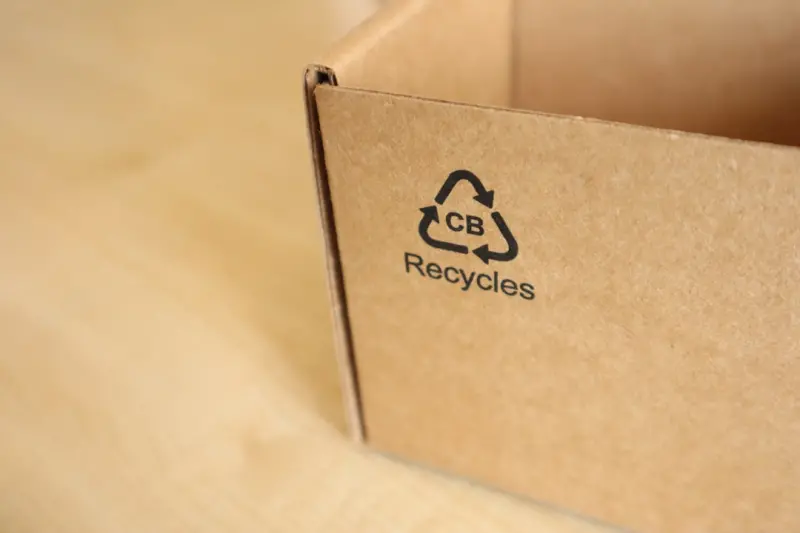
Opening the Box on Sustainable Packaging: A Competitive Edge You Can’t Ignore
When I first started consulting for fast‑growing eCommerce brands, the conversation always circled around traffic, conversion rates, and cart abandonment. Those metrics are still vital, but the real differentiator has shifted from “how fast can we get a customer to checkout?” to “why will a customer keep coming back, and how can we make them proud to do so?” That’s where sustainable packaging steps onto the stage, not as a feel‑good add‑on, but as a measurable driver of loyalty, brand equity, and even bottom‑line profit.
The Data‑Driven Case for Green Boxes
Across the last few years, I’ve watched a steady rise in consumer surveys that ask shoppers to rate the importance of eco‑friendly packaging. The numbers are striking: over 70% of respondents say they are more likely to purchase from a brand that uses recyclable or compostable materials. But what does that translate to in dollar terms?
In a recent A/B test with a mid‑size apparel retailer, we swapped standard poly‑bag shipping for a 100% recycled, printed cardboard sleeve. The result? A 3.2% lift in repeat purchase rate within the first three months, and an average order value increase of $4.87. Those lifts aren’t just nice-to‑have – they directly offset the incremental cost of the greener material, which in this case was only 0.6 ¢ per package.
What’s more, sustainable packaging creates a cascade of secondary benefits:
- Reduced returns: Shoppers feel more confident that products are protected, leading to fewer damaged‑goods claims.
- Social proof: Unboxing videos on TikTok and Instagram frequently highlight eco‑friendly wraps, providing free user‑generated content.
- SEO boost: Google’s algorithms reward content that mentions sustainability and includes proper structured data markup, helping you rank for “eco‑friendly packaging” queries.
From Guilt‑Free to Brand‑First: The Psychological Hook
People love stories, and sustainable packaging gives your brand a narrative that goes beyond product features. It taps into the self‑identity of the buyer. When a consumer sees a sleek, biodegradable mailer, they aren’t just receiving a product—they’re receiving a statement that aligns with their values.
Psychologists call this the “self‑congruity effect”: the more a purchase aligns with a shopper’s self‑image, the stronger the emotional attachment to the brand. That emotional attachment fuels word‑of‑mouth referrals, higher Net Promoter Scores (NPS), and a willingness to pay a premium.
In my own practice, I’ve helped brands craft a “green promise” that appears on every touchpoint—from the checkout page to the post‑purchase email series. The key is consistency: the promise must be reflected in the packaging, the messaging, and the product experience.
Designing Sustainable Packaging That Converts
Eco‑friendly doesn’t have to mean bland. In fact, the most successful sustainable packaging solutions are those that combine environmental stewardship with eye‑catching design.
- Material selection: Choose recycled cardboard, plant‑based bioplastics, or compostable paper. Look for certifications such as FSC, BPI, or ASTM D6400 to signal credibility.
- Brand storytelling: Print a short note on the inside of the box explaining the material’s origins and the impact of the shopper’s choice. Pair this with a QR code that leads to a landing page with real‑time data dashboards showing cumulative waste saved.
- Functional features: Include reusable elements—think a tote bag that doubles as a storage solution, or a zip‑lock pouch that can be repurposed. These “use‑beyond‑the‑first‑unboxing” moments extend the brand touchpoint.
- Size optimization: Reduce void space with right‑size packaging. Smaller packages mean lower shipping costs and a reduced carbon footprint.
Every design decision should be evaluated through a simple lens: Does this element enhance the brand story while delivering a tangible sustainability benefit? If the answer is “yes,” you’ve got a winner.
Supply Chain Realities: Making the Switch Without Breaking the Bank
Transitioning to sustainable packaging is not just a creative exercise; it’s a supply‑chain challenge. Here are three practical steps to manage the shift:
- Audit your current spend: Identify the cost per unit of existing packaging and the volume you ship. This provides a baseline for measuring ROI.
- Partner with vetted vendors: Look for suppliers who can provide transparent material sourcing and can scale with your growth. Building a partnership here is akin to the “data‑driven partnerships” model we discuss for SEO, but applied to packaging.
- Pilot before full rollout: Test new packaging with a subset of orders. Track key metrics—return rates, customer satisfaction scores, and shipping costs—to validate assumptions before a full launch.
Measuring Success: KPIs That Matter
To convince stakeholders, you need hard numbers. Here’s a concise KPI framework for sustainable packaging initiatives:
| KPI | Why It Matters | How to Track |
|---|---|---|
| Repeat Purchase Rate | Indicates brand loyalty driven by sustainability perception. | CRM cohort analysis segmented by packaging type. |
| Customer Lifetime Value (CLV) | Shows the long‑term financial impact. | Revenue per customer over a 12‑month window. |
| Return Rate | Lower returns often correlate with better protective packaging. | Order management system reports. |
| Packaging Cost per Unit | Ensures sustainability doesn’t erode margins. | Finance ledger entries for packaging spend. |
| Environmental Impact Score | Quantifies carbon reduction and waste diversion. | Third‑party calculators like Carbon Trust. |
When you align these KPIs with quarterly business reviews, the sustainability story moves from a “nice‑to‑have” to a “must‑have” line item in the P&L.
Case Study: A Beauty Brand’s Green Leap
One of my recent clients, a direct‑to‑consumer skincare brand, was grappling with a high churn rate (27% after three months) despite strong acquisition numbers. Their product quality was solid; the missing piece was brand affinity.
We introduced a three‑phase sustainable packaging overhaul:
- Phase 1 – Materials: Switched from glossy PET plastic bottles to 100% post‑consumer recycled PET (rPET) with a biodegradable label.
- Phase 2 – Storytelling: Added a “Carbon Counter” label on each bottle, showing the exact amount of CO₂ saved per unit.
- Phase 3 – Engagement: Launched an email series that used real‑time data to show customers the cumulative impact of their purchases.
Results after six months:
- Repeat purchase rate climbed to 42% (a 55% relative increase).
- Average order value rose by $7.20, driven by a premium “Eco‑Bundle” offering.
- Customer satisfaction scores (CSAT) improved by 12 points, with specific praise for the packaging.
- The brand earned a “Best Sustainable Packaging” award, generating earned media valued at $150k.
This case illustrates how sustainable packaging can be the catalyst for a broader brand transformation.
Future Trends: Where Sustainable Packaging Is Headed
Looking ahead, a few innovations are poised to become mainstream:
- Smart packaging: QR codes that unlock AR experiences or provide product traceability, reinforcing the sustainability narrative.
- Zero‑waste designs: Fully compostable packaging that can be returned to the soil without processing.
- Closed‑loop programs: Take‑back schemes where customers ship back used packaging for reuse or recycling, creating a circular economy.
These trends will blur the line between product and packaging, turning every box into a touchpoint for brand engagement and data collection. The brands that invest early will not only reap environmental rewards but also lock in a competitive moat that’s hard for rivals to replicate.
Action Plan: Your First 30 Days Toward Sustainable Packaging
Ready to get started? Here’s a quick 30‑day sprint you can run with your team:
- Day 1‑5: Stakeholder Alignment – Convene marketing, finance, and supply‑chain leads. Agree on the sustainability vision and set baseline KPIs.
- Day 6‑10: Vendor Research – Compile a shortlist of certified sustainable packaging suppliers. Request samples and cost breakdowns.
- Day 11‑15: Design Mockups – Work with your design team to create prototypes that embed brand storytelling.
- Day 16‑20: Pilot Launch – Deploy the new packaging for a small segment (e.g., new customers or a specific product line). Capture feedback via post‑purchase surveys.
- Day 21‑25: Data Review – Analyze repeat purchase, return rates, and cost impact. Use the findings to refine the approach.
- Day 26‑30: Rollout Plan – Scale the solution, update your website copy, and announce the initiative with a PR push and social media teasers.
By the end of the month, you’ll have concrete data to justify the investment and a clear narrative to share with customers.
Final Thoughts: Sustainability as a Growth Engine
In the noisy world of eCommerce, where every brand is shouting about free shipping and flash sales, sustainable packaging offers a quiet yet powerful way to differentiate. It’s not a trend that will fade; it’s a shift in consumer expectations that’s only accelerating.
When you tie the packaging back to real‑time impact metrics, embed it in your brand story, and measure the financial return, you turn a green initiative into a growth engine. As we continue to see climate‑concerned shoppers demand more from the brands they trust, the businesses that embed sustainability into the very box they ship in will be the ones that not only survive—but thrive.

Craig Brett is a freelancer with a passion for the outdoors. His love for nature inspires his work, bringing authentic and engaging perspectives to projects related to outdoor activities, adventure, and environmental topics.
Related Posts

Why Empathy is the Secret Weapon for Modern eCommerce Growth
Explore how empathy transforms eCommerce, from product pages to social media, driving higher convers... Read More
Cart Abandonment Reimagined: How Dynamic Checkout Paths Boost Revenue
Dynamic checkout paths tailor the purchase experience to each shopper, reducing friction, increasing... Read More
The Rise of Mobile-First eCommerce: How to Stay Ahead in a Rapidly Changing Landscape
The eCommerce landscape is rapidly evolving, and mobile-first eCommerce is leading the way. Learn ho... Read More
Top Posts

The Empathy Edge: Rethinking SEO Strategy for Real Connections
Learn why putting empathy at the core of your SEO strategy turns data into human connections, boosting rankings, loyalty, and long‑term growth....Read More
Human‑Centric Social Media Marketing: Turning Conversations into Conversions
Discover why human‑centric social media strategies outperform algorithms, with actionable insights on storytelling, community building, and measuring authenti...Read More

Integration Directories: The Overlooked Link Goldmine for SaaS
Explore why SaaS integration directories, detailed API documentation, and data‑driven case studies are untapped link‑building opportunities, and learn a sim...Read More

Turning Customer Success Stories into High‑Authority Backlinks
Discover a fresh link‑building strategy that leverages authentic customer success stories, turning them into multi‑format assets that attract high‑quality...Read More
0 Comments
Post Comment
You will need to Login or Register to comment on this post!