

Why the SERP Landscape Is No Longer a Flat Plain
When I first started tinkering with search, the SERP was essentially a list—think of a grocery aisle where every product sat side‑by‑side. Today, that aisle has turned into a high‑tech showroom: interactive panels, knowledge cards, video carousels, and AI‑generated answers. If you’re still optimizing for the old “ten‑blue-links” mindset, you’re leaving massive real estate on the table. In this post I’ll walk you through the newest SERP features that are reshaping visibility for SaaS companies, and give you a playbook for staking a claim before the competition even knows the space exists.
The Rise of Multi‑Modal SERP Units
Google’s “search experience” has evolved from pure text to a blend of structured data, visual media, and real‑time signals. Three units dominate the modern SERP:
- Knowledge Graph Panels – The large, often brand‑centric cards that sit at the top or right side of the results.
- FAQ & People Also Ask (PAA) Boxes – Collapsible question/answer sets that answer user intent in situ.
- Video & Carousel Widgets – Horizontal scrolls that surface short‑form video, product demos, or review snippets.
Each of these units draws clicks away from traditional organic listings, but they also act as powerful brand‑building surfaces. If you can get your SaaS solution into any of these boxes, you’ll earn visibility even when users never “click through.”
Knowledge Graph: The New Front Door
The Knowledge Graph (KG) is more than a pretty box; it’s a data hub that Google uses to answer “who,” “what,” and “where” queries. For SaaS brands, the KG can surface:
- Company overview (founders, founding date, headquarters)
- Product taxonomy (modules, pricing tiers, integrations)
- Key metrics (customer count, funding rounds, market share)
Getting into the KG starts with semantic SEO fundamentals: define clear entities, use schema.org markup (Organization, SoftwareApplication, Offer), and ensure that each piece of data appears consistently across your site, press releases, and partner pages. A practical tip: publish a dedicated “Product Data Sheet” page that lists every feature as a structured SoftwareApplication property, then link back to it from your main site. Google loves that level of granularity.
FAQ Boxes: Answering Before the Question Is Asked
FAQ boxes surface when Google detects a pattern of user questions that can be answered concisely. The trick for SaaS marketers is to anticipate those questions before they become trends. Here’s a quick framework:
- Mining the data – Use tools like AnswerThePublic, Google Search Console “Performance > Queries”, and internal support tickets to compile a list of recurring questions.
- Mapping to buyer stages – Align each question with awareness, consideration, or decision phases.
- Crafting schema‑enabled answers – Write a 40‑70 word answer that directly addresses the query, then wrap it in
FAQPageJSON‑LD.
Remember: the answer must be self‑contained. Google will not pull in additional content or links from your site; the snippet itself is the entire value proposition. A well‑written answer can act as a mini‑elevator pitch for your platform.
Video Carousels: Turning Demos into Click‑Magnet Tiles
Video has exploded beyond YouTube recommendations. Google now pulls short video clips directly from YouTube, Vimeo, or even hosted on‑site, and places them in a scrollable carousel beneath the main result. For SaaS, this is a golden opportunity to showcase:
- Product walkthroughs (30‑second feature highlights)
- Customer testimonial snippets (real‑world ROI stories)
- Thought‑leadership mini‑talks (industry trends, use‑case deep dives)
To win this space, follow three rules:
- Optimize titles and descriptions with target keywords (e.g., “CRM onboarding demo”).
- Include timestamps in the video description to guide Google to the most relevant segment.
- Embed schema using
VideoObjectmarkup, specifyingduration,uploadDate, andthumbnailUrl.
Even a 15‑second demo can generate thousands of impressions when paired with a compelling thumbnail. The visual cue alone drives brand recall, which translates into higher zero‑click authority—a concept we explored in detail in the Zero‑Click SERPs guide.
Personalized SERPs: The Hidden Layer of Competition
Google now tailors results based on a user’s location, device, search history, and even real‑time intent signals (e.g., recent purchases). This means two users typing the same query can see entirely different SERP layouts. For SaaS, personalization creates a double‑edged sword:
- Opportunity – Hyper‑targeted content can dominate niche SERP variations (e.g., “best B2B invoicing app for freelancers”).
- Risk – Your well‑optimized page might be hidden for users whose profile doesn’t match your content.
The antidote is to build multiple content “personas”. Create dedicated landing pages for distinct audience segments (SMBs, enterprises, developers) and use hreflang and rel=canonical correctly to avoid duplicate content penalties. Then, feed each page into the relevant SERP unit (e.g., a “Developer API FAQ” can win a PAA slot while the “Enterprise pricing” page can become a KG panel).
Edge‑Powered Technical SEO: Speed Meets SERP Signals
Page speed isn’t just a ranking factor; it’s a decisive signal for many SERP features. Google’s “Core Web Vitals” directly affect eligibility for rich results like FAQ boxes and Knowledge Graph panels. Leveraging edge computing—caching assets at the network edge—can shave milliseconds off your TTFB (time to first byte). If you haven’t yet migrated to an edge‑first architecture, you’re essentially handing the SERP real‑estate to faster rivals.
Key steps for SaaS teams:
- Deploy a CDN that supports edge functions to run lightweight JS or transform HTML on the fly.
- Compress JSON‑LD schema at the edge to reduce payload size.
- Use lazy‑loading for non‑critical assets while keeping above‑the‑fold content (including schema markup) fully rendered server‑side.
These technical tweaks not only boost rankings but also increase the probability that Google will surface your content in premium SERP units. For a deeper dive into edge‑centric SEO, see our Edge‑Powered Technical SEO article.
Measuring Success Outside the Click Funnel
Traditional SEO metrics—organic traffic, click‑through rate, bounce rate—still matter, but they don’t capture the full impact of SERP feature ownership. Here are three KPI categories you should add to your dashboard:
- Impression Share in Rich Results – Track how often your Knowledge Graph panels, FAQ boxes, or video carousels appear in Google Search Console’s “Rich Results” report.
- Zero‑Click Conversions – Set up event tracking for phone calls, form fills, or demo requests that originate from SERP snippets (e.g., clicking a “Call” button in a Knowledge Panel).
- Brand Lift – Use brand lift surveys in Google Ads to measure awareness uplift among users who saw your SERP feature but didn’t click.
These metrics give you a clearer picture of how SERP dominance translates into actual business outcomes, beyond the vanity of raw click numbers.
Action Plan: Claiming Your SERP Real Estate in 30 Days
To make the theory actionable, here’s a 30‑day sprint you can run with a small SEO team:
- Day 1‑5: Audit Existing Structured Data – Use
Schema Markup Validatorto catalog everyOrganizationandSoftwareApplicationinstance on your site. - Day 6‑10: Expand FAQ Content – Pull the top 30 search queries from Search Console, write concise answers, and implement
FAQPageJSON‑LD. - Day 11‑15: Produce Video Snippets – Record 5‑minute demos, cut them into 30‑second highlight reels, upload to YouTube with keyword‑rich titles.
- Day 16‑20: Deploy Edge Optimizations – Shift static assets to a CDN with edge functions, enable HTTP/2 push for critical schema.
- Day 21‑25: Personalization Pages – Publish 3 audience‑specific landing pages, each with its own schema set and tailored FAQs.
- Day 26‑30: Track & Iterate – Set up Search Console “Performance > Rich Results” alerts, monitor KPI shifts, and iterate on low‑performing assets.
Following this roadmap will give you at least one new Knowledge Graph panel, two FAQ boxes, and a video carousel entry—all within a month. The SERP real estate you capture today will compound over time, feeding brand authority and inbound leads without a single extra ad dollar.
Final Thoughts: SERPs Are No Longer a Passive Destination
Think of the modern SERP as a dynamic marketplace where Google curates the most relevant, engaging, and trustworthy experiences. As a SaaS marketer, you can’t afford to wait for users to click your link; you must meet them where they are—inside the SERP itself. By marrying semantic markup, video, personalization, and edge‑first performance, you’ll transform the search results from a hallway into a storefront that displays your brand front and center.
Remember, the goal isn’t just to rank; it’s to own the digital real estate where decisions are made. The tools are there, the data is abundant, and the opportunity is waiting. Let’s claim it.

Tom Ferguson is a Canadian freelance writer with a passion for storytelling, current events, and thoughtful commentary. Drawing on years of writing experience, he shares engaging insights on a wide range of topics, bringing a uniquely Canadian perspective to his work.
Related Posts
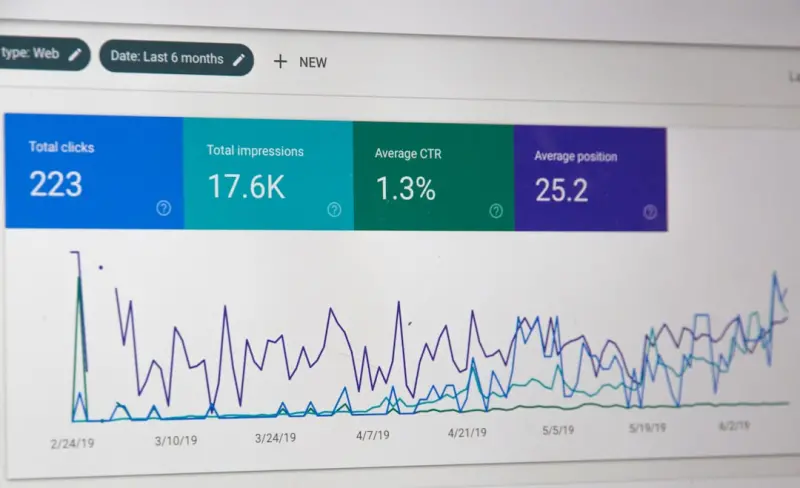
Beyond the Blue Links: Rethinking SERP Strategy for Real‑World Impact
Explore fresh SERP tactics—AI‑generated answers, schema‑driven rich results, and feature stack... Read More

Cracking the People Also Ask Box: A SaaS Playbook for Dominating PAA
This guide shows SaaS marketers how to turn the People Also Ask SERP feature into a steady source of... Read More
SERP Storytelling: Turning Rich Results Into a Brand Narrative
Discover a fresh approach to search engine results pages by turning rich snippets, video carousels, ... Read More
Top Posts

Testing the Unseen: How SERP Experiments Unlock Hidden Traffic
Discover a step‑by‑step framework for treating the search results page as a testable product, from baseline mapping to advanced layered experiments, and see...Read More

The Evolution of Digital Marketing: Navigating the Ever-Changing Landscape
The digital marketing landscape is constantly evolving. Learn how to stay ahead of the curve with insights on authenticity, SEO, content marketing, and more....Read More
Beyond Cold Emails: The New Frontier of Relationship‑Focused Link Building
Explore a fresh link‑building playbook that blends micro‑influencer collaborations, AI prospecting, and genuine partnerships to earn natural, high‑authori...Read More

Unlocking Crawl Efficiency: Log File Analysis Meets Modern Technical SEO
Learn to harness server logs for smarter crawl budgeting, faster indexing, and a healthier site architecture—all without overhauling your code....Read More
0 Comments
Post Comment
You will need to Login or Register to comment on this post!