

Why Interactive Tools Are the Secret Weapon for Modern Link Building
When most marketers think about link building, the image that comes to mind is often a spreadsheet of outreach emails or a list of guest‑post opportunities. That mental picture is still valid, but it’s also incomplete. The web has evolved into a playground where users crave instant value, and the most successful link‑earning strategies now hinge on delivering that value in a format that people can’t resist sharing.
Enter interactive tools—calculators, quizzes, assessment widgets, and AI‑driven generators that transform raw data into a personalized experience. These assets do more than entertain; they become link magnets because they solve a problem, spark curiosity, and give visitors something worth linking to. In this post, I’ll walk you through the why, the what, and the how of turning interactive tools into a sustainable, high‑quality backlink engine.
The Psychology Behind Link‑Worthy Interactives
People love to show off their results. Whether it’s a score on a personality quiz or a custom cost estimate, the act of sharing creates a natural “social proof” loop. Studies in behavioral economics reveal that users are up to three times more likely to link to content that offers a personalized output than to static articles. The reasons are simple:
- Utility: Tools provide immediate, actionable insight that readers can apply.
- Novelty: An interactive element feels fresh compared to a traditional blog post.
- Shareability: Results are inherently share‑ready—think “I just calculated my SaaS ROI in 30 seconds!”
When you combine these factors with solid SEO fundamentals, you get a powerful, evergreen backlink source that keeps on giving.
Choosing the Right Tool for Your Audience
Not every interactive format will resonate with every SaaS audience. The key is to align the tool with a genuine pain point in the buyer’s journey. Here are three proven categories:
- Financial Calculators: Ideal for B2B SaaS that impact budgets—e.g., ROI calculators, cost‑saving estimators, or subscription pricing models.
- Quizzes & Assessments: Great for products that solve complex problems, such as security compliance quizzes or maturity assessments.
- AI‑Generated Content Tools: From meta‑description generators to keyword clustering assistants, these appeal to marketers who love automation.
Before you start building, validate the concept with a quick poll or a short interview series. The data you collect will guide the tool’s scope and ensure it delivers a result that’s both meaningful and share‑worthy.
Designing for SEO from Day One
It’s tempting to treat the tool as a standalone product, but you’ll miss out on SEO value if you don’t integrate it into your site architecture. Follow these steps to make sure search engines see the full picture:
- Dedicated Landing Page: Host the tool on its own URL with a keyword‑rich title tag and meta description. Use schema.org’s
SoftwareApplicationorWebApplicationmarkup to signal its interactive nature. - Contextual Content: Surround the tool with a concise, value‑focused article that explains the problem, the methodology, and the interpretation of results. This provides the textual depth search engines love.
- Indexable Results: If the output is generated via JavaScript, ensure you provide a server‑side fallback or use
pushStateURLs so each result can be crawled. - Share Buttons & Embed Code: Offer one‑click sharing to Twitter, LinkedIn, and niche forums. Provide an embed snippet so other sites can host the tool while linking back to you.
Promotion Tactics That Turn a Tool into a Link Magnet
Building the tool is only half the battle; you need a promotion plan that targets the right communities. Here’s a proven multi‑channel approach:
- Outreach to Niche Publications: Pitch the tool as a resource for their readers. A well‑crafted email referencing a relevant article—like Link Building with Data‑Driven Partnerships: A SaaS Playbook—demonstrates that you understand their audience.
- Influencer Partnerships: Identify micro‑influencers in your industry who regularly share industry benchmarks. Offer them early access and a custom version of the tool that includes their branding.
- Community Forums & Reddit: Participate in conversations where your target audience hangs out. When a question aligns with the problem your tool solves, drop a helpful link—always with context, never spam.
- Internal Link Juice: Feature the tool in related blog posts and product pages. Cross‑linking not only boosts visibility but also helps search engines understand the tool’s relevance.
Measuring Success: Metrics That Matter
To justify the investment, track these key performance indicators:
- Referral Domains: Aim for at least 10 new referring domains per month after the first quarter.
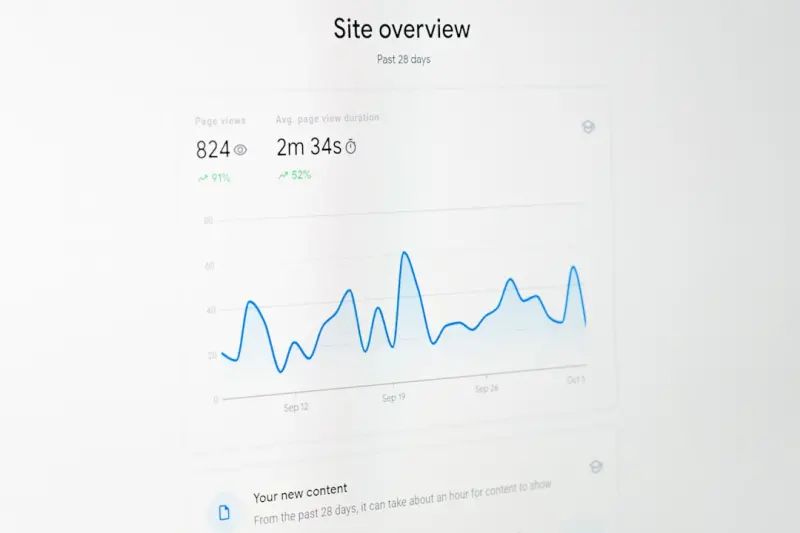
- Engagement Time: Interactive tools should keep users on the page longer than the average 2‑minute blog post.
- Conversion Rate: Define a conversion—download of a whitepaper, demo request, or email capture—and monitor how many tool users become leads.
- Social Shares & Embeds: Count the number of times the embed code is used on external sites; each embed is a guaranteed backlink.
Use a combination of Google Search Console, Ahrefs, and your internal analytics dashboard to get a full picture.
Case Study: From Calculator to Authority Site
One of our SaaS clients—an HR platform—launched a “Turnover Cost Estimator”. The tool required users to input headcount, average salary, and churn rate, then produced a detailed cost breakdown. Within six months, the page attracted:
- 35 new referring domains, including industry magazines and university research sites.
- A 250% increase in organic traffic to the supporting blog series.
- 150 qualified leads directly attributed to tool usage.
The secret? They paired the estimator with a deep-dive guide titled Beyond Backlinks: Building Relationships That Earn Links Naturally, which explained the methodology and linked back to the calculator. The guide acted as a “hub” that amplified the tool’s reach and credibility.
Common Pitfalls and How to Avoid Them
Even the best ideas can fall flat if you stumble on these traps:
- Overcomplicating the UI: Users abandon tools that feel cluttered. Keep the interface clean, with a clear call‑to‑action.
- Neglecting Mobile: More than half of tool interactions happen on smartphones. Ensure responsive design and fast load times.
- Missing Attribution: If you allow embeds, always enforce a backlink in the embed code. Use a
rel="canonical"tag to avoid duplicate content issues. - One‑Off Promotion: Treat the tool as a perpetual campaign. Schedule quarterly outreach updates and refresh the UI or data annually.
Future‑Proofing Your Interactive Link‑Building Strategy
The interactive landscape is evolving fast. AI can now generate personalized reports in seconds, and no‑code platforms let marketers build calculators without a developer. To stay ahead:
- Leverage AI for Dynamic Data: Pull real‑time market data into your tool to keep results current.
- Integrate with CRM: Capture leads directly from the tool and nurture them with automated email sequences.
- Open‑Source the Core Logic: Offering a GitHub repo for the calculation algorithm can earn you technical backlinks from developer communities.
When you combine these tactics with a solid promotion engine, your interactive tool becomes a self‑sustaining backlink ecosystem that scales with your product roadmap.
Conclusion: Turn Interaction Into Authority
Link building isn’t just about pitching to other sites; it’s about creating assets that people want to reference. Interactive tools hit the sweet spot of utility, novelty, and shareability, making them perfect candidates for natural link acquisition. By aligning the tool with a real user need, designing it for SEO, and executing a targeted outreach plan, you can transform a simple calculator into a cornerstone of your backlink profile.
If you’ve been relying solely on traditional outreach, it might be time to diversify. Start brainstorming the next interactive asset that could solve a pain point for your audience, and watch the links—and the leads—roll in.

Jessica Hall is a dynamic freelance writer based in the vibrant city of London, Ontario. As a dedicated single mom, she expertly juggles the demands of parenthood with her passion for storytelling, crafting compelling narratives that resonate with readers. With a background in retail, Jessica brings a unique perspective to her writing, infusing her work with insights drawn from her experiences.
Related Posts

Community‑First Link Building: Turning Real Relationships into SEO Gold
Learn how to shift from outbound link spam to community‑driven outreach that builds genuine author... Read More

Turning Interactive Tools into Magnet Links for SaaS Growth
Learn a modern link‑building strategy that leverages interactive assets—calculators, demos, quiz... Read More

The Human‑Centric Link Building Playbook That Wins in 2026
Explore how authentic relationships, AI‑assisted research, and local outreach redefine link buildi... Read More
Top Posts

Link Building in the Empathy Era: Strategies That Convert
Learn how an empathy‑first approach reshapes link building, turning outreach into real conversations that earn valuable, lasting backlinks and improve search ...Read More

Voice Search & Google Discover: New SEO Frontiers for SaaS
A practical guide for SaaS marketers on optimizing content for voice assistants and Google Discover, covering intent mapping, visual appeal, technical foundatio...Read More

Why Voice Search Is the Missing Piece in Local SEO
Voice assistants are reshaping local discovery. Learn why conversational keywords, advanced schema, and flawless NAP data are essential to capture voice‑first...Read More
Neighborhood‑First SEO: Turning Local Search into SaaS Growth
Even cloud‑based SaaS firms thrive on local search. This guide shows how to treat Google Business Profiles as mini‑landing pages, craft geo‑specific conte...Read More
0 Comments
Post Comment
You will need to Login or Register to comment on this post!