

Why Google SEO Is Evolving Faster Than Ever
When I first started tinkering with search engines back in the dial‑up era, the biggest headache was getting any page indexed at all; today, the challenge is staying visible amid an avalanche of AI‑generated content, zero‑click searches, and the ever‑tightening grip of user‑intent signals, which means that every tweak you make must be both technically sound and purpose‑driven. Google’s core algorithm updates in 2024 have shifted from pure link‑based authority to a more holistic view that rewards relevance, expertise, and the subtle nuances of semantic context, and that is why the old “keyword stuffing” playbook is now a relic you’ll never see on the SERP again. In my latest deep‑dive, Why 2024 Google SEO Is a Game‑Changer, I walk through the exact signals that are moving the needle for brands that refuse to settle for “good enough” and instead aim for sustainable dominance.
One of the most startling shifts I’ve observed is the rise of “experience‑first” SERP features, where Google surfaces not just the answer but the journey a user takes to get there, from rich snippets to interactive carousels, and this demands a content architecture that anticipates multiple entry points rather than a single, monolithic landing page. The practical upshot is that siloed content strategies must be replaced with interconnected topic clusters that speak to the full lifecycle of a query, from curiosity to conversion, and that is where the synergy between technical SEO and strategic link building becomes non‑negotiable. If you’ve ever wondered how to marry these two worlds without creating a maintenance nightmare, my own Technical SEO in 2024: Tom Ferguson’s Must‑Do Checklist for Crawl Efficiency offers a step‑by‑step roadmap that even the most data‑driven teams can implement in a single sprint.
Beyond the technical scaffolding, the human element of Google’s ranking logic cannot be ignored; the search giant is increasingly rewarding content that demonstrates genuine expertise, authoritativeness, and trustworthiness—E‑A‑T—through signals like verified author bios, transparent citation practices, and real‑world user engagement metrics such as dwell time and scroll depth. This is why I spend a disproportionate amount of my week analyzing how real users interact with my pages, running heat‑map studies, and iterating on micro‑copy that nudges readers toward deeper interaction, because every second of engaged time is a silent vote for relevance in Google’s eyes. In short, the modern SEO landscape is a sophisticated dance between code, content, and community, and mastering that choreography is the only way to future‑proof your rankings.
Lastly, the surge of AI‑generated content has forced Google to double‑down on authenticity; while large language models can churn out passable text at scale, they still lack the nuanced voice, brand personality, and contextual depth that human writers bring to the table, especially when it comes to niche industries where insider knowledge is king. That is precisely why I champion a hybrid approach: let AI handle the heavy lifting of data aggregation and outline creation, then inject your unique perspective, anecdotes, and proprietary insights to create a piece that feels unmistakably yours. This method not only satisfies Google’s demand for expertise but also resonates with readers who are increasingly skeptical of generic, “one‑size‑fits‑all” articles, ultimately driving higher click‑through rates and stronger backlink profiles.
Actionable Tactics to Future‑Proof Your Rankings
Start with a crawl audit that goes beyond the typical “broken links” checklist; map out how Googlebot navigates your site, identify orphan pages that could be gold mines for internal linking, and prioritize the removal of unnecessary redirects that drain crawl budget. In my own workflow, I use a combination of Screaming Frog and custom log‑file analysis to surface hidden inefficiencies, then I apply the principles from my must‑do checklist to restructure the site hierarchy so that every pillar page sits within three clicks of the homepage, thereby signaling topical relevance and improving indexability. This structural clarity not only pleases Google’s crawlers but also enhances the user journey, reducing bounce rates and boosting conversion potential.
Next, double down on topic clusters that answer every facet of a core query; begin by researching the primary keyword and then expand into sub‑topics that address related questions, long‑tail variations, and emerging trends, linking each sub‑page back to a comprehensive pillar page that acts as the authoritative hub. This approach creates a web of contextual relevance that Google’s algorithm interprets as a strong signal of depth, and it also provides a natural framework for acquiring high‑quality backlinks, because external sites are more likely to reference a well‑structured resource that covers a subject exhaustively. Remember to embed structured data wherever possible—FAQ schema, How‑To schema, and Review schema—to give Google explicit clues about the content’s purpose and to increase the odds of earning rich results.
When it comes to link building, quality must outweigh quantity; focus on acquiring links from domains that share a contextual relationship with your niche, and leverage outreach tactics that highlight your unique data, case studies, or proprietary research. In the 2024 Link‑Building Playbook, I outline a three‑phase strategy that starts with “digital PR” to secure mentions in industry publications, moves into “resource partnership” where you co‑create valuable tools or calculators, and finishes with “expert roundups” that position you as a thought leader while earning contextual backlinks. This layered approach not only diversifies your link profile but also aligns with Google’s emphasis on relevance and trust, ensuring that each link contributes real authority rather than simply inflating numbers.
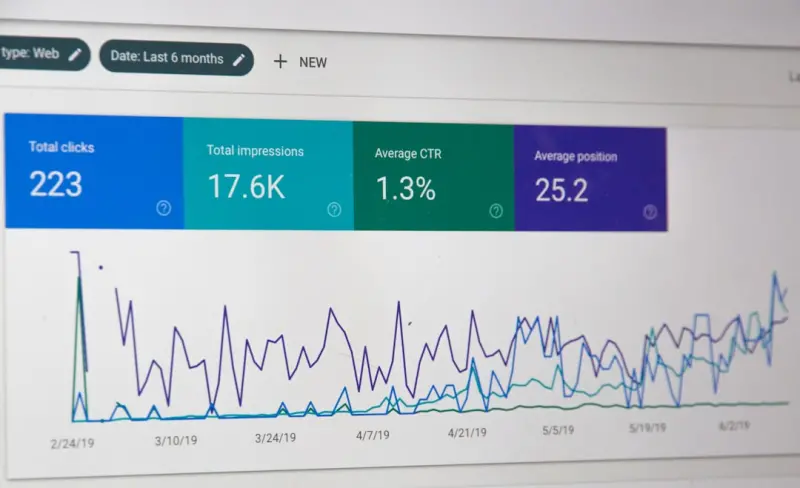
Finally, monitor performance with a data‑first mindset; set up custom dashboards in Google Search Console and Google Analytics that track core metrics such as impressions, average position, click‑through rate, and page‑level engagement, then correlate those insights with algorithm update timelines to pinpoint which changes are driving fluctuations. Use this intelligence to iterate quickly—if a particular content cluster sees a dip after an update, revisit the on‑page optimization, refresh the data, and amplify the internal linking signals. The key is to treat SEO as a living, breathing ecosystem that requires continuous testing, learning, and adaptation, rather than a set‑and‑forget checklist, and that philosophy has kept my clients ahead of the curve year after year.

Tom Ferguson is a Canadian freelance writer with a passion for storytelling, current events, and thoughtful commentary. Drawing on years of writing experience, he shares engaging insights on a wide range of topics, bringing a uniquely Canadian perspective to his work.
Related Posts
Elevating SaaS Visibility: A Deep Dive into Google’s E‑E‑A‑T Playbook
A comprehensive guide for SaaS marketers on leveraging Google’s E‑E‑A‑T framework, passage r... Read More

Building Topic Clusters for SaaS: A Fresh SEO Blueprint
A step‑by‑step guide on designing pillar pages, crafting cluster content, and linking strategica... Read More

Cracking Google’s Passage Ranking: A Tactical Guide for SaaS Content
Google’s passage ranking lets individual paragraphs rank like standalone pages. This guide shows S... Read More
Top Posts

Micro‑Influencer Alliances for B2B SaaS Growth
Micro‑influencers offer B2B SaaS marketers authentic reach, high engagement, and cost‑effective scalability. This guide outlines how to find, collaborate wi...Read More

Mastering the AI‑Driven SERP Frontier for SaaS
The rise of AI‑generated search results transforms how SaaS companies get discovered. This post outlines a three‑pillar strategy—content depth, intent‑f...Read More

Seeing the Unseen: How Visual Search Is Redefining Mobile SEO
Explore the rise of visual search on mobile, learn advanced image optimization tactics, and future‑proof your SEO strategy with AI‑driven visual insights....Read More

The Secret Sauce of Relationship‑Driven Link Building
Learn why treating outreach as a partnership, leveraging data‑rich assets, and forming brand collaborations are the modern keys to earning lasting, high‑qua...Read More
0 Comments
Post Comment
You will need to Login or Register to comment on this post!