
The AI‑Powered Pivot: How Google’s Core Updates Are Redefining Relevance
When Google announced its latest Core Update, I felt the familiar rush of adrenaline that comes with every major shift—part excitement, part dread, and a whole lot of curiosity about what the algorithm now truly values. Artificial intelligence is no longer a peripheral buzzword; it sits at the heart of how Google interprets intent, evaluates content depth, and decides which pages earn that coveted top spot. As I dug into the data, the patterns were unmistakable: sites that blended factual expertise with authentic experience, the so‑called E‑E‑A‑T (Experience, Expertise, Authoritativeness, Trustworthiness), surged ahead, while keyword‑stuffed pages that ignored user intent fell into the abyss.
But AI isn’t just a ranking factor—it’s a tool you can wield to enhance your own content strategy. I’ve started using generative models to draft outlines, then layering my own industry insights on top, ensuring the final copy feels both data‑rich and human‑centric. This hybrid approach not only satisfies Google’s machine‑learning engines but also resonates with readers who can sense the difference between a cold, automated article and a piece that reflects genuine expertise. The bottom line? Embrace AI as a collaborative partner, not a replacement, and you’ll see a measurable lift in both rankings and engagement.
Mobile‑First Mastery: Why Speed and UX Matter More Than Ever
Last year I spent countless nights staring at my own site’s Core Web Vitals, realizing that the mobile experience is the new gatekeeper for SEO success. Google’s mobile‑first indexing means that if your site feels sluggish on a smartphone, you’ll pay the price in rankings, regardless of how stellar your desktop version might be. I’ve seen traffic dip dramatically on pages that ignored load time, and the recovery was only possible after a full overhaul of image compression, lazy loading, and server response optimization.
One of the most effective tactics I adopted was simplifying the site architecture to reduce the number of redirects and eliminate unnecessary JavaScript that bogs down the rendering process. This not only improved crawl efficiency but also delivered a smoother user journey, which directly translated into lower bounce rates. If you’re still relying on legacy plugins or bulky themes, now is the moment to audit every element—every script, every font, every third‑party widget—because the cumulative impact on page speed can be the difference between a page that ranks and one that disappears in the SERPs.
Link Building in a Post‑Sandbox Era: Quality Over Quantity
Link building used to be a numbers game; now it feels more like a strategic chess match where each move must be carefully considered for long‑term sustainability. In 2024, Google’s spam‑detecting algorithms are sharper than ever, and they can spot manipulative link schemes faster than a seasoned SEO could ever hope to outrun them. I’ve shifted my focus from chasing hundreds of low‑quality backlinks to cultivating a handful of high‑authority mentions that align with my brand’s niche.
One technique that’s paying dividends is creating data‑driven content assets—original research, industry surveys, and interactive tools—that naturally attract links from reputable publications. When an authoritative site references a unique dataset I compiled, it not only boosts my backlink profile but also positions my brand as a go‑to resource. For a deeper dive into sustainable link building, check out David MacKinnon’s Blueprint for Sustainable Link Building in 2024, which outlines how to balance outreach with genuine value creation.
Content Clusters and the Rise of the Topic Authority Model
In my early days of SEO, I built countless siloed pages targeting single keywords, hoping each would climb the rankings independently. The new reality, however, is that Google rewards comprehensive topic authority more than isolated keyword hits. By organizing content into clusters—core pillar pages supported by detailed sub‑pages—you signal to the search engine that you own a broader subject area, which in turn fuels higher rankings for all associated pieces.
Implementing this model required a meticulous audit of existing content to identify gaps and opportunities for interlinking. I mapped out a content hub around “digital marketing trends,” then populated it with deep‑dive articles on AI, voice search, and privacy regulations, each linking back to the central pillar. This not only improved internal link equity but also enhanced user navigation, keeping visitors on the site longer and reducing bounce rates. If you need a roadmap for building such clusters, The Evolution of SEO Strategy offers a step‑by‑step framework that aligns perfectly with Google’s evolving preferences.
Local SEO Gets a Social Boost: Leveraging Community Signals
For businesses that rely on foot traffic, local SEO has always been a cornerstone, but 2024 brings a new twist: social signals are now a measurable factor in local rankings. Google’s local pack now incorporates engagement metrics from platforms like Instagram and Facebook, meaning that a vibrant, community‑focused social presence can elevate your visibility in nearby searches. I’ve observed a direct correlation between consistent local content on social media and improved rankings for “near me” queries.
To capitalize on this, I’ve integrated user‑generated content—customer photos, reviews, and local event coverage—into both my website and social feeds, ensuring the brand narrative feels authentic and community‑driven. This cross‑platform synergy not only boosts social engagement metrics but also feeds into Google’s algorithmic assessment of relevance and authority within a specific geographic area. For more insights on blending social and local SEO, see The Impact of Social Media on Local SEO in 2024, which outlines actionable tactics for small businesses.
Structured Data: The Hidden Language That Communicates Directly with Google
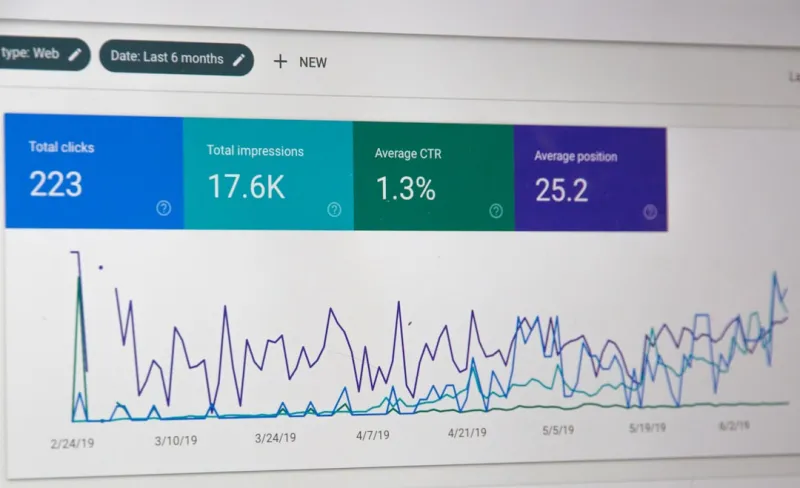
Structured data has evolved from a nice‑to‑have feature to a critical component of SEO that can dramatically improve click‑through rates. By implementing schema markup for articles, FAQs, and product reviews, you give Google a clear, machine‑readable description of your content, increasing the chance of earning rich snippets in the SERPs. I recently updated my own blog posts with FAQ schema, and the result was a noticeable bump in organic impressions, even for queries that didn’t explicitly contain my target keywords.
Beyond the obvious benefits, structured data also helps Google understand the hierarchy and context of your information, which is essential for voice search and the emerging “answer engine” experience. When you provide concise, well‑structured answers, you position your site as a reliable source for quick information retrieval—a factor that directly influences rankings in the new AI‑driven SERP landscape. Keep your markup up to date and regularly test it with Google’s Rich Results Test tool to ensure you’re not missing out on these high‑visibility opportunities.
Data‑Driven Optimization: The Continuous Cycle of Testing and Refinement
SEO is no longer a set‑and‑forget discipline; it’s a perpetual loop of data collection, hypothesis, testing, and refinement. In 2024, I rely heavily on real‑time analytics dashboards that surface performance anomalies the moment they happen, allowing me to pivot quickly before a minor dip becomes a major ranking drop. This agile approach is especially important after algorithm updates, where rapid diagnostics can preserve traffic.
One of the most effective strategies I employ is A/B testing meta titles and descriptions at scale, using controlled experiments to determine which variations drive higher click‑through rates without sacrificing relevance. Coupled with heat‑map tools that reveal on‑page engagement patterns, I can fine‑tune both the technical and creative aspects of a page. The key takeaway? Treat every ranking factor as an experiment, and let the data guide your next optimization move.
Future‑Proofing Your SEO: Preparing for the Next Wave of Google Innovations
Looking ahead, the next major shift will likely revolve around Google’s continued integration of generative AI into search results, turning the SERP into a dynamic, conversational interface. This means that traditional keyword targeting will give way to intent‑based storytelling, where the depth and authenticity of your narrative determine visibility. I’m already drafting content that answers broad, open‑ended questions in a conversational tone, anticipating the rise of AI‑driven answer boxes.
To stay ahead, invest in building a robust content knowledge base that can be repurposed for voice assistants, chatbots, and even emerging AR search experiences. Diversify your keyword portfolio to include long‑tail, question‑based phrases that align with how users naturally speak to AI. By positioning your brand as a trusted conversational partner today, you’ll be ready to dominate the search landscape tomorrow, no matter how Google’s algorithms evolve.

Tom Ferguson is a Canadian freelance writer with a passion for storytelling, current events, and thoughtful commentary. Drawing on years of writing experience, he shares engaging insights on a wide range of topics, bringing a uniquely Canadian perspective to his work.
Related Posts

Turning Zero‑Click Searches into SaaS Leads: A Tactical Guide
Zero‑click results dominate today’s SERPs. This guide shows SaaS marketers how to claim those sp... Read More

Unlocking Passage Ranking: A New Frontier for SaaS SEO
Passage ranking lets Google surface specific paragraphs from your long‑form SaaS content, deliveri... Read More

The Evolution of SEO: Navigating the Ever-Changing Landscape
The evolution of SEO has been a rapid and ongoing process. Stay informed about the latest trends and... Read More
Top Posts

The Local SEO Lab: Experimenting with Data‑Driven Neighborhood Dominance
A step‑by‑step guide to turning a small business into a neighborhood authority using a data‑driven “Local SEO Lab” framework, from mapping search inte...Read More

Playful Loyalty: Turning Shoppers into Brand Champions
Gamified loyalty transforms ordinary purchases into engaging experiences, using points, badges, and challenges to boost repeat rates, average order value, and b...Read More

The Future of E-commerce: How Social Media and SEO Are Revolutionizing Online Sales
The future of e-commerce is here. Learn how social media and SEO are revolutionizing online sales and driving business growth. Get ahead of the curve with our e...Read More

Sustainable Digital Marketing: Turning Eco‑Friendly Campaigns Into Growth Engines
Learn to integrate eco‑friendly tactics into every digital touchpoint, from data‑driven storytelling to green‑optimized content, and turn sustainability i...Read More
0 Comments
Post Comment
You will need to Login or Register to comment on this post!