

The Shift from Transaction to Experience
When I first launched my online boutique in 2019, I measured success by cart value and checkout speed, but by 2024 the metric that truly thrills me is the lingering feeling customers have after they leave the site. eCommerce is no longer a simple exchange of goods for money; it has become a curated journey where every touchpoint—from the first ad glance to post‑purchase follow‑up—acts like a scene in a story the shopper wants to replay. This transformation is driven by hyper‑connected consumers who expect brands to anticipate desires before they even articulate them, turning passive browsing into an active, emotionally charged experience that fuels loyalty and word‑of‑mouth. As a result, retailers that cling to the old “checkout‑first” mindset find themselves invisible in a marketplace where experience is the new currency.
Personalization at Scale: Data Meets Delight
Leveraging AI‑powered recommendation engines, I now serve each visitor a homepage that feels hand‑picked, showing products that match their mood, weather, and even the music they stream in the background. The secret sauce lies in marrying granular data points—like click‑through patterns and dwell time—with creative storytelling, so the algorithm’s output reads like a personal shopper whispering suggestions rather than a cold spreadsheet. This approach demands a delicate balance: too much data can feel invasive, while too little leaves shoppers adrift; the sweet spot is achieved by respecting privacy while delivering relevance, a dance that keeps the brand human and the experience delightful. When executed well, personalization doesn’t just boost conversion; it turns a single purchase into a recurring chapter in a consumer’s brand saga.
Social Commerce: The New Front Door
In my daily routine, I scroll through Instagram, TikTok, and emerging platforms, watching how brands embed shoppable tags directly into stories, reels, and live streams, turning social feeds into storefronts. This convergence means the first interaction often happens on a platform where users are already in a discovery mindset, blurring the line between entertainment and retail. To stay ahead, I adopted the tactics I outlined in Riding the Wave: Lifan Chen’s 2024 Social Strategy Blueprint, integrating user‑generated content, micro‑influencer collaborations, and real‑time inventory sync so that a swipe‑up leads to an in‑stock product ready for immediate checkout. The result is a frictionless path from inspiration to purchase that feels as natural as scrolling through a friend's vacation photos, reinforcing the notion that social media is no longer a marketing channel—it’s the storefront itself.
Live Shopping & Immersive Tech
Live shopping events have exploded, turning product demos into interactive theater where hosts answer questions in real time, and viewers can click to buy with a single tap. By pairing live streams with AR try‑on features, I let customers visualize apparel on their own bodies or place furniture in a virtual replica of their living room, erasing the uncertainty that once plagued online shopping. These immersive experiences generate a sense of urgency and community, as audiences collectively cheer, comment, and purchase, creating a digital buzz that mimics the excitement of a physical pop‑up shop. The technology behind this shift—high‑definition streaming, low‑latency interaction, and sophisticated back‑end order processing—has become affordable enough for midsize brands, democratizing what was once the domain of only the biggest retailers.
Supply Chain Transparency & Trust
Today's shoppers demand more than just a product; they want to know the story behind each item, from ethical sourcing to carbon footprint, and they are quick to abandon brands that hide this information. I responded by integrating blockchain‑based traceability into my supply chain, allowing customers to scan a QR code and instantly see the journey of raw materials, labor practices, and environmental impact. This level of openness builds trust, turning skeptical consumers into brand ambassadors who proudly share the provenance of their purchases on social platforms. Moreover, transparent logistics—real‑time shipping updates, clear return policies, and proactive communication about delays—reduce friction and reinforce the perception that the brand cares about the entire lifecycle of the purchase, not just the moment of sale.
Community Building: From Buyers to Brand Advocates
Beyond transactions, I nurture a thriving community where customers become co‑creators, contributing ideas for new product lines, voting on color palettes, and sharing personal stories that fuel authentic brand narratives. This collaborative environment is amplified by dedicated forums and Discord servers, where members receive early access to drops, exclusive discounts, and the chance to influence roadmap decisions. By fostering such a sense of ownership, I transform ordinary buyers into passionate advocates who champion the brand across their networks, amplifying reach without traditional advertising spend. For deeper insights into why experience matters, see Why 2024 Is the Year eCommerce Becomes an Experience, Not Just a Transaction, which explores how community‑driven loyalty outpaces price‑centric competition.
Measuring the Experience: Metrics That Matter
Traditional KPIs like conversion rate and average order value still matter, but they no longer capture the full picture of an experience‑centric strategy. I now track engagement depth, session length, repeat‑visit frequency, and sentiment analysis from post‑purchase surveys to gauge how emotionally connected customers feel. Net Promoter Score (NPS) is complemented by a new “Experience Index” that aggregates qualitative feedback, social mentions, and user‑generated content quality, providing a holistic view of brand health. By aligning these metrics with revenue goals, I can pinpoint which experiential touchpoints drive the highest lifetime value, allowing the team to double down on high‑impact initiatives while trimming underperforming tactics.
Future‑Proofing Your Store in 2024 and Beyond
Looking ahead, I see three emerging forces reshaping eCommerce: generative AI assistants that converse with shoppers, decentralized marketplaces powered by blockchain, and hyper‑local fulfillment hubs that promise same‑day delivery within minutes. To remain competitive, brands must adopt an agile mindset—experimenting with AI‑driven chat commerce, exploring tokenized loyalty programs, and investing in micro‑fulfillment centers that reduce last‑mile friction. Equally important is fostering a culture of continuous learning, where marketing, tech, and operations collaborate on cross‑functional pilots, iterating quickly based on real‑time data. By embracing these innovations today, businesses can lock in a future where the line between physical and digital retail blurs, and the consumer experience becomes an ever‑evolving adventure.
Final Thoughts: Embrace the Rollercoaster
eCommerce in 2024 feels like a high‑speed coaster—thrilling, unpredictable, and demanding that we keep our hands on the rails while shouting with joy. The key is to view every twist, whether it’s a new platform algorithm or a breakthrough in immersive tech, as an opportunity to deepen the emotional bond with shoppers. By weaving personalization, social commerce, transparency, and community into a seamless narrative, we turn fleeting clicks into lasting relationships that fuel sustainable growth. So buckle up, stay curious, and remember: the best rides are those you design for the people on board.

Lifan Chen is a freelancer based in Toronto specializing in marketing. With expertise in crafting effective marketing strategies and campaigns, Lifan helps businesses grow their brand presence and reach target audiences. As a Toronto-based freelancer, Lifan combines local market insights with creative marketing skills to deliver tailored solutions for clients.
Related Posts

Turning Returns Into Revenue: The Secret Weapon for Modern eCommerce
Learn to convert eCommerce returns from a cost center into a profit driver by optimizing reverse log... Read More

Gamify Your Cart: Turning Routine Purchases into Playful Experiences
Learn how to integrate game mechanics like points, badges, and challenges into your online store to ... Read More

From My Storefront to the Search Engine: Paula Wright’s 2024 eCommerce Playbook
Paula Wright shares her 2024 eCommerce roadmap, blending AI‑driven personalization, sustainable li... Read More
Top Posts
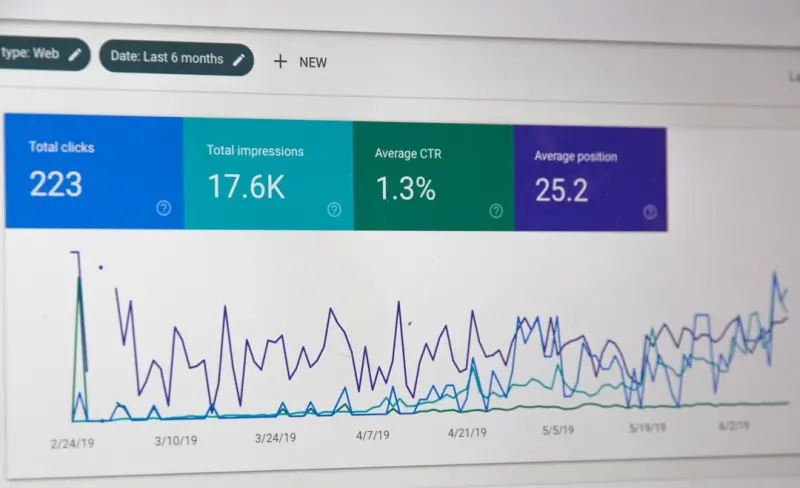
Turning On‑Site Search Insights Into an SEO Powerhouse
Learn how to turn the queries users type into your product’s search bar into a data‑driven SEO strategy—boosting rankings, conversions, and overall growth...Read More

How to Harness Voice Search for B2B Lead Generation
Voice search is reshaping the B2B buying funnel. This guide shows marketers how to optimize content, implement schema, and measure results to turn conversationa...Read More
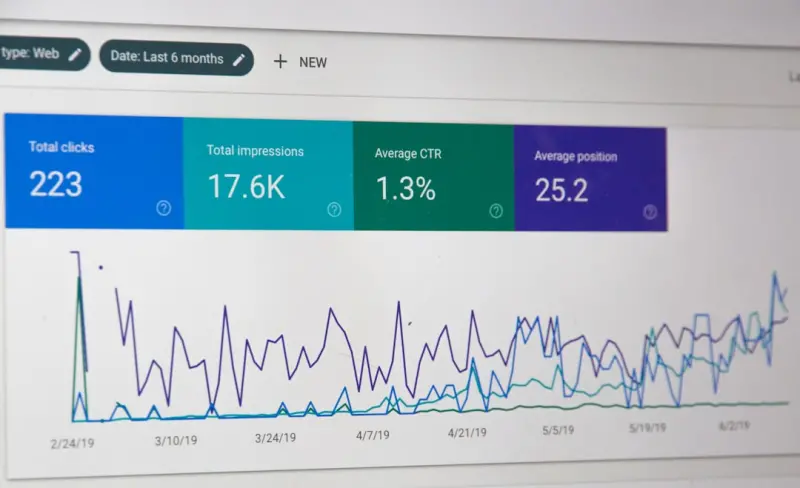
Zero‑Click SERP Features: A SaaS Playbook for Dominating Search Answers
Zero‑click SERP features such as featured snippets, knowledge panels, and People Also Ask are reshaping how SaaS brands get discovered. This guide explains wh...Read More

Turning Zero‑Party Data into Your eCommerce Superpower
Discover why zero‑party data is the new gold standard for eCommerce, how to gather it responsibly, and practical tactics to turn shopper preferences into pers...Read More
0 Comments
Post Comment
You will need to Login or Register to comment on this post!