
Why SERP Volatility Isn’t a Bug, It’s a Feature
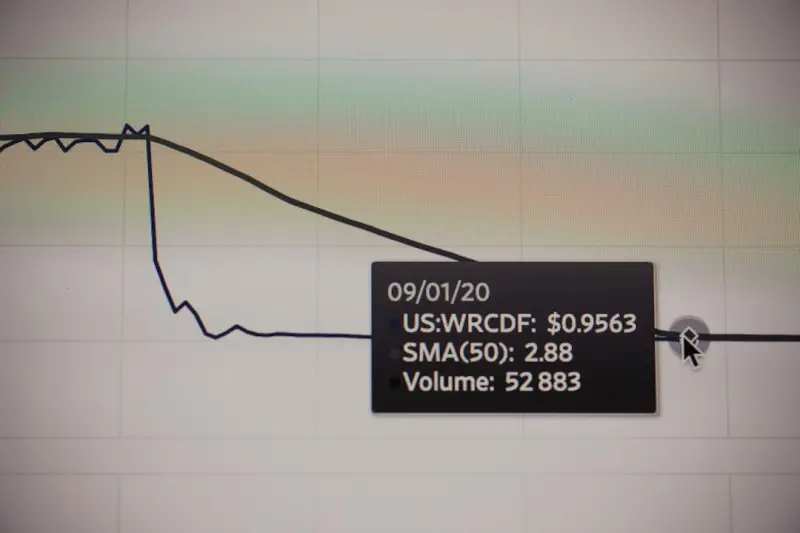
When I first started tracking search rankings, I treated every dip as a personal insult. “Did Google finally notice my meta description?” I’d mutter, refreshing the SERP like a nervous gambler checking cards. Over time, I realized the real lesson was not about perfection—it’s about embracing the chaos. The search engine results page is no longer a static billboard; it’s a living, breathing ecosystem that shifts with user intent, AI experiments, and even seasonal trends.
The Anatomy of a Volatile SERP
Before we can ride the wave, we need to understand what’s causing it. Here are the three primary forces that make today’s SERPs feel like a roller coaster:
- Algorithmic micro‑updates. Google now pushes hundreds of tiny adjustments each month. They’re subtle, but the cumulative effect can reshuffle rankings in a heartbeat.
- Personalization layers. From location to search history, the SERP you see is a custom-tailored experience. Your competitor’s view might look dramatically different from yours.
- Feature proliferation. Answer boxes, shopping carousels, “People also ask,” and the ever‑growing suite of AI‑driven snippets add new real‑estate to the page, squeezing organic results.
When these forces intersect, the result is what I like to call “SERP volatility”—the rapid rise and fall of positions, visibility, and click‑through potential.
Turning Volatility Into a Strategic Asset
Most marketers panic when a ranking drops. I ask them to flip the script: What can you learn from that dip? Here’s my three‑step framework to convert volatility from a threat into a competitive edge.
1. Map the Volatility Landscape
Start by visualizing how your keywords behave over time. A simple line chart isn’t enough; you need a heat‑map that flags:
- Days with major algorithmic releases (Google’s Zero‑Click SEO announcements, for instance).
- Periods when new SERP features appear for your niche (e.g., a new “Featured Snippet” type).
- Geographic spikes that suggest localized personalization.
When you see a pattern—say, a dip every time a new “People also ask” module rolls out—you can anticipate the next wave.
2. Build a “Feature‑First” Content Playbook
Traditional SEO often asks, “How do I rank on the first page?” I ask, “Which SERP feature aligns with my user’s intent?” For volatile queries, you’ll need a diversified portfolio:
- Snippets and Quick Answers. Craft concise, bullet‑point answers that Google can lift straight into a box.
- Video and Visual Assets. Even if you’re not a visual search pioneer, embedding short, captioned videos can trigger video carousels.
- Structured Data. Use schema markup to signal product info, FAQs, or events, increasing the chance of rich results.
Don’t chase the “golden” position; aim for the “golden” feature.
3. Leverage Volatility for Competitive Intelligence
When your rankings tumble, look at who’s benefiting. Is a competitor suddenly appearing in a carousel? Is a brand new domain capturing a featured snippet? By mapping these winners, you uncover hidden gaps in their strategy.
For example, during a recent micro‑update, I noticed a rival’s Precision Link Building article snagging a top‑of‑page featured snippet for a high‑intent query. The secret? They used a concise, question‑and‑answer format and added schema markup. Replicating that approach on my own pillar pages gave me a quick win in the next cycle.
Practical Tactics for the SERP‑Savvy Marketer
Below are actionable tactics you can implement this week to future‑proof your rankings against volatility.
Audit Your Existing SERP Feature Coverage
Take a sample of your top‑50 keywords and run a manual SERP audit. Note which features appear for each keyword: snippet, carousel, video, news, local pack, etc. Then create a spreadsheet with columns for:
- Current feature presence
- Potential feature fit (based on intent)
- Action items (e.g., add FAQ schema, create a short video)
Invest in Modular Content Architecture
Design your content in bite‑sized modules that can be repurposed across different SERP features. A well‑structured FAQ section can become a “People also ask” snippet, a carousel entry, or a voice‑search answer with minimal tweaks.
Test Structured Data Incrementally
Don’t roll out schema on every page at once. Pick a high‑traffic blog post, add FAQPage markup, and monitor the impact over 2‑3 weeks. If you see an uplift in impressions, scale the implementation. This iterative approach reduces risk while capitalizing on feature growth.
Monitor Volatility with Real‑Time Alerts
Set up alerts in your analytics platform for sudden drops in impressions or spikes in CTR. Combine this with Google’s Search Console “Performance” data to pinpoint which feature change likely triggered the shift.
Partner with “Feature‑First” Tools
Tools that surface SERP feature opportunities (like AI‑driven snippet generators) can accelerate your roadmap. Pair them with a robust link‑building strategy—think Beyond the Crawl techniques—to ensure that even if a feature disappears, your underlying authority remains intact.
Case Study: From Volatile Fluctuations to Dominant Presence
One of my SaaS clients, a B2B analytics platform, faced a 30% drop in organic traffic after a Google core update introduced a new “Insights Carousel.” Their initial reaction was to blame the update and double down on traditional backlink acquisition. Instead, we took a feature‑first approach:
- Identified the new carousel. Using the SERP audit, we saw the carousel highlighted comparative tables.
- Created modular comparison charts. We built a reusable component that juxtaposed our platform’s capabilities against competitors.
- Implemented schema markup. Added
Comparisonschema to each chart. - Promoted via targeted outreach. Leveraged “interactive tools” (yes, Interactive Tools) to earn backlinks from industry review sites.
Result? Within six weeks, the carousel slots were populated with our own charts, driving a 45% lift in click‑through rate and stabilizing overall traffic despite ongoing algorithmic churn.
Future‑Proofing: The Long‑Term View
Volatility isn’t going away. In fact, as AI continues to personalize search results at the individual level, we’ll see even more micro‑fluctuations. Here’s how to stay ahead:
- Invest in AI‑assisted content creation. Tools that can generate concise answers or structured data snippets at scale will be invaluable.
- Adopt a test‑and‑learn culture. Treat each SERP feature change as an experiment, not a crisis.
- Focus on user intent evolution. Monitor how search queries shift from informational to transactional, and adjust your content modules accordingly.
In the end, the SERP is a living conversation between users, algorithms, and brands. By listening to the subtle shifts—rather than screaming at them—you’ll turn volatility from a source of anxiety into a catalyst for growth.

When it comes to the world of blogging and writing, Rose DesRochers is a name that stands out. Her passion for creating quality content and connecting with her audience has made her a trusted voice in the industry. Aside from her skills as a writer and blogger, Rose is also known for her compassionate nature.
Related Posts

Decoding the Secrets of Google SERPs: A Comprehensive Guide
Google SERPs are a critical aspect of any online marketing strategy. Learn how to optimize your cont... Read More
Why SERPs Are Evolving in 2024 and How to Stay Ahead
2024 SERPs are changing fast. Discover key trends and proven playbooks to future‑proof your rankin... Read More

Why SERPs Are Evolving Into Human‑Centric Conversations
Search engines now prioritize empathy and trust, turning SERPs into dynamic conversations. Learn the... Read More
Top Posts

SERP Real Estate: A SaaS Playbook for Feature Domination
A deep dive into how SaaS brands can strategically claim and optimize featured snippets, knowledge panels, video carousels, and other SERP features to turn sear...Read More

Mobile SEO in 2026: Strategies That Keep Your Site Ahead of the Curve
A comprehensive 2026 mobile SEO guide covering indexing, Core Web Vitals, voice search, AI personalization, and actionable steps to dominate mobile search....Read More

Link Building in 2026: Strategies That Actually Move the Needle
Explore the most effective 2026 link‑building strategies, including contextual relevance, mobile‑first outreach, social signals, and AI‑powered analytics ...Read More

From Broadcast to Command Center: Redefining Social Media for SaaS
Social media is no longer a megaphone for SaaS marketers; it’s a real‑time community command center. Learn how to build, govern, and leverage niche platform...Read More
0 Comments
Post Comment
You will need to Login or Register to comment on this post!