
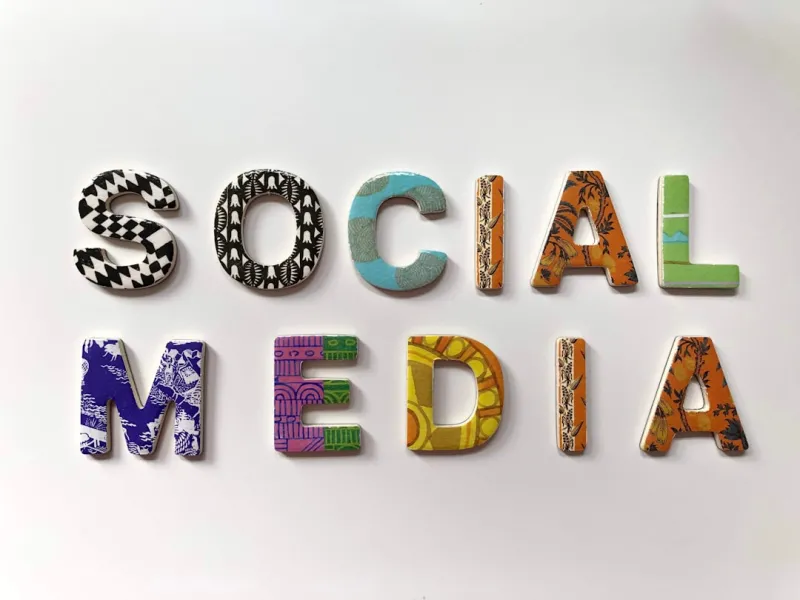
Embracing Authenticity in Social Media Strategy
As we navigate the ever-changing landscape of social media, one thing is becoming increasingly clear: authenticity is key. Gone are the days of perfectly curated feeds and scripted responses. Today's consumers crave real connections with the brands they interact with online. At the heart of this shift is a fundamental change in how we approach social media strategy. Rather than focusing solely on follower growth and engagement metrics, brands are now prioritizing authenticity and transparency. This means being vulnerable, taking risks, and showcasing the human side of their business.
In my experience, authenticity is not just a buzzword; it's a necessity for brands looking to build meaningful relationships with their audience. When brands are authentic, they open themselves up to both praise and criticism. However, this vulnerability can also lead to deeper connections and loyalty from their audience. One way to achieve authenticity is by embracing imperfection. This might mean sharing behind-the-scenes content, highlighting employee stories, or showcasing the company's philanthropic efforts. For example, a brand could share a video showcasing their manufacturing process or highlight a local community event they're supporting.
The Evolution of Social Media Strategy
The evolution of social media strategy has been a long time coming. As consumers, we've grown tired of the same old sales pitches and robotic responses. We crave connection, community, and conversation. The way brands approach social media is shifting to reflect this. Rather than focusing on broadcasting their message, brands are now prioritizing two-way conversations with their audience. This requires a fundamental shift in how brands approach social media, from a broadcasting model to a conversational one. By doing so, brands can build trust, establish thought leadership, and drive engagement.
The Role of Storytelling in Authenticity
Storytelling has always been a powerful tool in marketing, but it's especially crucial when it comes to authenticity. By sharing real stories and experiences, brands can create an emotional connection with their audience. This might mean sharing customer testimonials, employee spotlights, or the brand's own origin story. Effective storytelling can help brands build trust and credibility with their audience. For instance, a brand could share a story about how they overcame a challenge or how they gave back to their community. By sharing these stories, brands can showcase their values and personality, making them more relatable and human.
The Intersection of SEO and Social Media
As social media continues to evolve, its intersection with SEO is becoming increasingly important. The way we search for information online is changing, and social media platforms are playing a bigger role in this process. Brands that optimize their social media presence for SEO can increase their online visibility, drive more traffic to their website, and reach a wider audience. For example, a brand could optimize their social media profiles with relevant keywords, post high-quality content that attracts links, and engage with their audience to build a strong online presence.
The Benefits of Authenticity in Social Media
So, what are the benefits of authenticity in social media? For one, it can lead to deeper connections with your audience. When brands are authentic, they open themselves up to both praise and criticism. However, this vulnerability can also lead to loyalty and advocacy from their audience. Authenticity can also help brands build trust and credibility with their audience. By being transparent and honest, brands can establish themselves as thought leaders in their industry. Some benefits of authenticity include:
- Increased engagement and loyalty from your audience
- Improved brand reputation and credibility
- More effective influencer partnerships and collaborations
- Greater employee advocacy and ambassadorship
The Future of Social Media Marketing
So, what does the future of social media marketing hold? As we look ahead, one thing is clear: authenticity will continue to be key. Brands that prioritize authenticity, transparency, and vulnerability will be the ones that thrive in the ever-changing landscape of social media. This might mean experimenting with new formats, such as live video or podcasting. It might mean investing in employee advocacy programs or influencer partnerships. Whatever the future holds, one thing is certain: authenticity will be at the forefront of social media marketing. Brands that adapt to this shift will be well-positioned for success.
Conclusion
In conclusion, the shift towards authenticity in social media strategy is a welcome change. By prioritizing vulnerability, transparency, and connection, brands can build deeper relationships with their audience. As we look to the future of social media marketing, it's clear that authenticity will continue to be key. By embracing this shift, brands can build trust, establish thought leadership, and drive engagement.
Key Takeaways
To summarize, here are the key takeaways from this article:
- Authenticity is key to building meaningful relationships with your audience on social media
- Brands must prioritize vulnerability, transparency, and connection to build trust and credibility
- The intersection of SEO and social media is becoming increasingly important
- Authenticity can lead to deeper connections, improved brand reputation, and more effective influencer partnerships
By following these takeaways, brands can create a social media strategy that is authentic, effective, and sustainable.

Paul Gray is a dynamic blogger based in Brampton, where he shares his life with his amazing wife, Sarah. Known for his engaging writing style and relatable insights, Paul has carved out a niche in the blogging world that resonates with readers from all walks of life. When he's not crafting captivating posts, you can find him savoring a cold beer or indulging in the latest blockbuster movie. With a friendly demeanor and a passion for storytelling, Paul brings a unique perspective to his work, making him not just a blogger, but a voice for those who appreciate the simple joys of life.
Related Posts

How to Turn Private Messaging Groups into Your Brand’s Most Powerful Social Engine
Private messaging groups offer a hidden arena for authentic brand interaction. Learn to build, nurtu... Read More

Real‑Time Social Feedback Loops: Turning Conversations into Strategy
Learn why real‑time social feedback is essential, how to set up a listening engine, and turn conve... Read More

The Intersection of Social Media and SEO: A Winning Strategy
The lines between social media and SEO are blurring. Learn how to leverage social media platforms to... Read More
Top Posts

Zero‑Click SERP Features: Turning Search Answers into a SaaS Branding Engine
Zero‑click SERP elements like featured snippets and knowledge panels are reshaping how SaaS brands capture attention. This guide explains how to design conten...Read More

AI‑Driven SERP Shift: Future‑Proof Your Google Rankings
Google’s AI‑driven SERP reshapes visibility. Learn to adapt with topic clusters, structured data, and fresh metrics to stay ahead in the evolving search lan...Read More

Embracing the Mobile-First Revolution: A Guide to Staying Ahead in SEO
Stay competitive in the mobile-first revolution with our expert guide to mobile SEO. Learn how to optimize your website for mobile devices and improve user expe...Read More
The Future of Google SERPs: How to Stay Ahead in the Game
The future of Google SERPs is rapidly evolving. Learn how to stay ahead in the game with the latest trends and strategies for optimizing your content and maximi...Read More
0 Comments
Post Comment
You will need to Login or Register to comment on this post!