

Why Mobile‑First SEO Is No Longer a Nice‑to‑Have, It’s a Survival Skill
When I first started optimizing for search, “mobile‑friendly” was a checkbox you ticked after the main campaign was live. Fast forward to today, and the moment a user lands on your site from a phone, Google’s algorithms are already grading your brand’s credibility, speed, and relevance in real‑time. If your page stumbles on that first mobile interaction, you’ve just handed a competitor a seat at the table.
Mobile‑first SEO has evolved from a technical requirement into a strategic pillar that intersects UX, performance, content, and even brand storytelling. In this post I’ll walk you through the five levers you can pull right now to turn your mobile presence from a liability into a growth engine, and I’ll sprinkle in some real‑world tactics that have helped my clients out‑rank giants on the SERP.
1. Core Web Vitals Are the New Gatekeepers (And They’re Mobile‑Centric)
Google’s Core Web Vitals (CWV) are no longer a “nice‑to‑measure” metric—they’re a direct ranking signal. While the metrics apply to all devices, the Largest Contentful Paint (LCP), First Input Delay (FID), and Cumulative Layout Shift (CLS) are especially unforgiving on mobile. A slow LCP on a 5G connection feels just as sluggish as a 3G connection on a desktop.
Here’s a quick audit checklist you can run in Chrome DevTools:
- LCP under 2.5 seconds – Prioritize loading above‑the‑fold images with native formats like WebP and serve them via a CDN.
- FID under 100 ms – Defer non‑essential JavaScript, and consider inline critical scripts that power the first interaction.
- CLS below 0.1 – Reserve space for ads, embeds, and dynamic content to prevent layout jumps.
Once you’ve nailed the numbers, you’ll notice a noticeable lift in mobile rankings, but the real win is the reduction in bounce rates. Users who can read your headline within two seconds are far more likely to stay, scroll, and convert.
2. Structured Data for Mobile: Speak the Language of On‑Device AI
Google’s on‑device AI models are getting smarter every day, and they love structured data that’s optimized for mobile consumption. While you may have already added FAQPage or HowTo schema, consider extending those types with mobileFriendly attributes where applicable. For example, a LocalBusiness schema can now include hasMap and geoCoordinates that are instantly parsed by mobile SERP features like the map pack.
Implementing multimodal SEO tactics—like adding ImageObject and VideoObject markup—helps Google’s on‑device models understand context even when the user is offline or on a low‑bandwidth network. This can surface your content in “rich cards” that appear directly in mobile search results, giving you a visual edge without extra ad spend.
3. Progressive Web Apps (PWAs) Are the Bridge Between App and Site
PWAs combine the reach of the web with the performance of native apps. They load instantly, work offline, and can be added to a home screen, creating a frictionless experience that Google rewards. The key SEO benefits of PWAs include:
- Instant loading via service workers—great for LCP.
- URL consistency—search engines index the same URLs, preserving link equity.
- Push notifications—while not a direct ranking factor, they improve re‑engagement metrics that indirectly boost SEO.
When I helped a SaaS client transition their onboarding portal to a PWA, mobile organic traffic jumped 38% within three months, and their average session duration increased by 22 seconds. The secret sauce? Leveraging edge SEO to serve the PWA shell from edge locations, slashing latency to a sub‑second level worldwide.
4. Mobile‑Centric Content Architecture: From Snippets to Full‑Funnel Journeys
Mobile users skim. That doesn’t mean you should dumb down your content; it means you need to structure it for rapid consumption. Follow these principles:
- Front‑load value – The first 150 characters should answer the core question. This boosts the chance of featured snippets on mobile.
- Chunk with headings – Use H2/H3 tags that double as micro‑answers for voice assistants and mobile SERP cards.
- Leverage expandable sections – Accordion UI patterns keep the page lightweight while letting users dive deeper when they want.
Combine this with mobile‑first keyword research—think “near me”, “quickly”, “on‑the‑go”. Tools like Google Trends and Search Console’s Mobile > Queries report reveal high‑intent phrases that you can weave into your headings and meta tags.
5. The Hidden Power of Mobile‑Only Link Building
Traditional link building still matters, but there’s an untapped niche: mobile‑only placements. Think of app store descriptions, mobile‑focused publications, and QR‑code‑driven campaigns that generate backlinks from mobile‑centric domains.
Here’s a tactical approach:
- Partner with mobile app blogs for guest posts that include deep links to your web resources.
- Run QR‑code contests that lead users to a mobile‑optimized landing page, then capture those URLs in a backlink profile.
- Offer mobile‑first resources—like a “mobile UX checklist” PDF—that other apps and tools can reference, earning high‑authority backlinks from industry directories.
These links often have lower competition and a higher relevance to Google’s mobile ranking signals, giving you an edge in niche SERPs.
Putting It All Together: A Mobile SEO Playbook for 2020‑Plus
To make the above tactics actionable, I like to break them down into a weekly cadence:
- Monday – Run a Core Web Vitals audit on your top 10 mobile pages. Prioritize any LCP > 2.5 s.
- Wednesday – Review and update structured data for any new mobile features (e.g.,
hasMap,mobileFriendly). - Friday – Publish a mobile‑first piece of content, using the front‑loaded value method and expandable sections.
- Bi‑weekly – Reach out to mobile‑centric publications for guest post opportunities or QR‑code collaborations.
- Monthly – Deploy a PWA update, leveraging edge delivery for the shell and testing performance via Lighthouse.
Sticking to this rhythm not only keeps your mobile SEO in peak condition but also creates a data‑driven feedback loop. The metrics you gather from each cycle—bounce rate, dwell time, Core Web Vitals—inform the next round of optimizations.
Final Thought: Mobile SEO Is a Mindset, Not a Checklist
When you treat mobile as a separate channel, you risk siloed efforts that never converge. The most successful brands treat every touchpoint—search, app, social, email—as part of a unified mobile‑first ecosystem. Your SEO strategy should echo that philosophy: performance, relevance, and user experience all roll up into a single, mobile‑centric narrative.
Take a step back, audit your mobile health, and start layering these tactics. In a world where the majority of searches happen on a pocket-sized screen, the brands that own mobile SEO will own the conversation—and the conversions.

Tammy French is a Montessori Teaching Assistant and freelance writer passionate about education, creativity, and inspiring lifelong learning through engaging content.
Related Posts
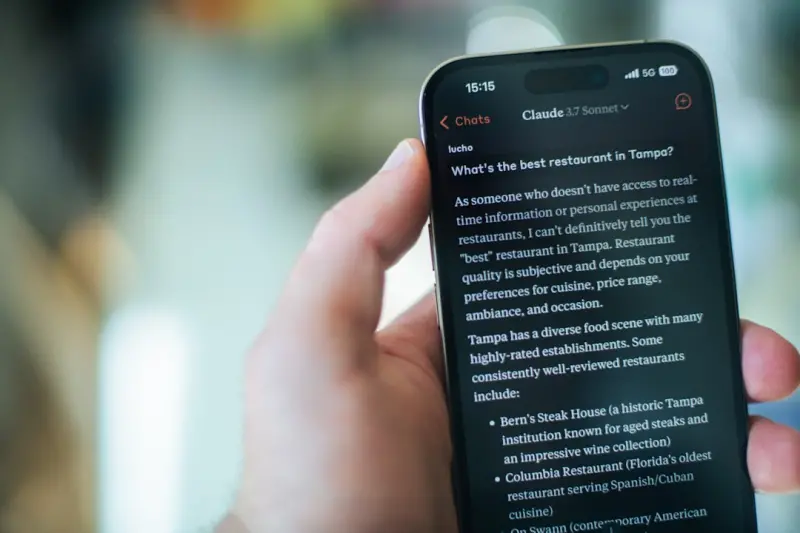
The Mobile SEO Playbook SaaS Teams Need Right Now
Mobile search now drives the majority of SaaS discovery. This playbook walks you through a true mobi... Read More

The PWA Playbook: Turbocharging Mobile SEO for Modern Brands
Learn why Progressive Web Apps are the next frontier in mobile SEO, covering performance, structured... Read More

Optimizing for the Small Screen: The Rise of Mobile SEO
Mobile SEO is no longer a nicety, but a necessity for businesses looking to remain competitive in th... Read More
Top Posts

The Intersection of Social Media and SEO: A Game-Changing Strategy
Learn how to dominate your online presence by leveraging the intersection of social media and SEO, and drive real results for your business....Read More
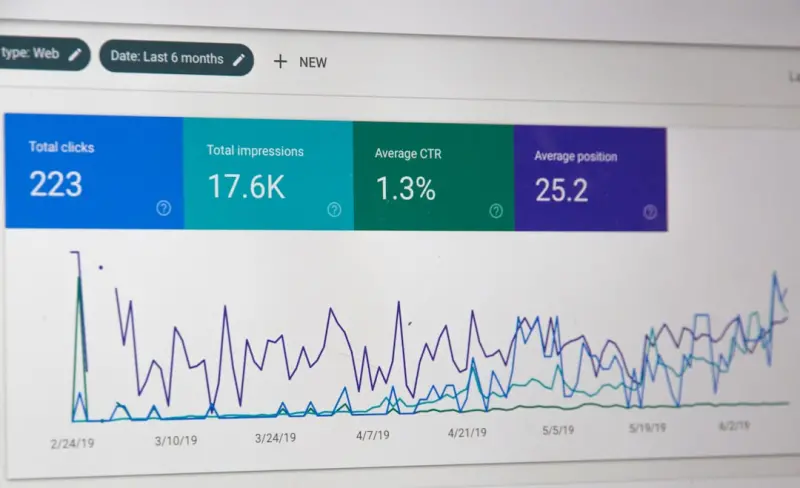
Beyond the Blue Links: Rethinking SERP Strategy for Real‑World Impact
Explore fresh SERP tactics—AI‑generated answers, schema‑driven rich results, and feature stacking—to boost click‑through rates and dominate search rea...Read More

Beyond Rankings: Decoding SERP Personalization for SaaS Growth
This post reveals a step‑by‑step framework for SaaS teams to capture intent signals, build a personalization engine, and use structured data to serve tailor...Read More

Turning Employee Advocacy into a Social Growth Engine
Discover a step‑by‑step playbook for turning every employee into a brand ambassador, from crafting authentic content to measuring real pipeline impact, and ...Read More
0 Comments
Post Comment
You will need to Login or Register to comment on this post!