

Why Google SEO Is No Longer Just About Algorithms
When I first fell in love with search, I chased every update like a treasure map, believing that a new algorithm was the ultimate silver bullet. Over time, however, I’ve watched Google’s core philosophy evolve from a cold, data‑driven beast into a platform that rewards genuine human intent, and that shift has forced me to rethink every tactic I teach. Today, the most sustainable rankings come from aligning your content strategy with real user needs, not merely satisfying a checklist of technical signals.
The Human‑Centric Pivot: From Keywords to Conversations
In the past, success was measured by keyword density and backlink quantity, but the modern SERP rewards pages that answer questions the way a knowledgeable friend would. I’ve started structuring my research around “searcher intent journeys,” mapping out the emotional beats that guide a user from curiosity to conversion, and the results speak for themselves—longer dwell times, lower bounce rates, and a noticeable lift in organic traffic. This approach mirrors the insights I explored in Human‑Centric SEO: Why Authenticity Beats Algorithms, where authenticity is the new ranking factor.
Crafting Content That Connects on a Human Level
Writing for Google now feels like having a conversation with a real person rather than a faceless bot, and that changes the tone, structure, and depth of every article I produce. I focus on storytelling, using anecdotes that resonate with the target audience’s daily challenges, and I weave in data only when it strengthens the narrative, not when it merely satisfies a metric. By embedding empathetic language and actionable insights, my pieces not only rank higher but also earn shares, comments, and the kind of organic backlinks that come from genuine appreciation.
Beyond Keywords: The Rise of Semantic Relevance
Google’s language models have become adept at understanding context, meaning that the exact phrase you target is less important than the overall theme of your page. I now prioritize topic clusters, ensuring each pillar page covers a broad subject while supporting articles dive into specific sub‑questions, creating a web of semantic relevance that search engines love. This strategy also makes it easier to incorporate natural variations of keywords, which satisfies both the algorithm and the human reader, a balance I’ve highlighted in Beyond Algorithms: The Human‑Centric Blueprint for Modern SEO.
Human‑Centric Link Building: Quality Over Quantity
Link building used to be a numbers game—more links meant higher rankings—but today Google evaluates the intent behind each backlink, rewarding links that arise from authentic relationships and genuine recommendations. I’ve shifted my outreach to focus on building trust with industry peers, offering collaborative content that naturally earns mentions, and I’ve seen a dramatic increase in referral traffic that’s both relevant and engaged. The principles behind this approach are detailed in Why Human‑Centric Link Building Beats Algorithms Every Time, where the emphasis is on value exchange rather than link farms.
Local SEO Gets a Human Makeover
For businesses that serve a specific community, “local” is more than a geographic tag; it’s about becoming a trusted neighbor. I advise clients to showcase community involvement, gather genuine reviews, and create location‑specific content that reflects the unique culture of the area they serve. These authentic signals not only improve rankings in “near me” searches but also foster brand loyalty, a synergy I explored in depth in Mastering Local SEO: Authentic Strategies to Own Your Neighborhood. The result is a virtuous cycle where local visibility drives foot traffic, which in turn generates more organic mentions.
AI and Human Insight: A Powerful Duo for Sustainable Rankings
Artificial intelligence can accelerate content creation and data analysis, but without human insight, it produces sterile output that fails to connect. I leverage AI tools for keyword clustering and performance tracking, then inject my own voice, expertise, and empathy to ensure the final piece feels human‑first. This hybrid workflow not only saves time but also maintains the authenticity that Google’s algorithms now prioritize, echoing the concepts presented in Technical SEO Unlocked: Harnessing AI and Human Insight for Sustainable Rankings. The key is to let AI handle the heavy lifting while you focus on the storytelling.
Measuring Authenticity: Metrics That Matter
Traditional SEO metrics like keyword ranking still have a place, but they’re no longer the sole indicators of success. I track engagement signals such as average session duration, scroll depth, and comment sentiment to gauge how well content resonates with readers, interpreting these data points as proxies for authenticity. Additionally, I monitor brand mentions across social platforms to assess the ripple effect of human‑centric outreach. When these qualitative metrics move in the right direction, I know my strategy is not just ranking pages, but building lasting relationships with the audience.
Actionable Steps to Future‑Proof Your SEO Strategy
- Conduct an intent audit: Map out the emotional and practical motivations behind your top queries.
- Develop topic clusters: Create pillar pages that cover broad themes and support them with detailed sub‑articles.
- Prioritize relationship‑based outreach: Offer co‑created content, podcasts, or webinars to earn genuine backlinks.
- Localize with authenticity: Share community stories, encourage real reviews, and produce hyper‑local content.
- Blend AI with human creativity: Use AI for data‑driven tasks, then apply your unique voice to the final copy.
- Track engagement over rankings: Focus on dwell time, scroll depth, and sentiment as key performance indicators.
By weaving these practices into your SEO workflow, you’ll align with Google’s evolving focus on human relevance, ensuring that your site not only climbs the rankings but also builds a loyal audience that keeps coming back for more.

David MacKinnon is a dynamic freelance writer known for his captivating storytelling and keen insights into the world of technology. With a passion for exploring the intersection of innovation and everyday life, he crafts engaging narratives that not only inform but also inspire his readers.
Related Posts

Future‑Proofing Your Site: SEO Strategies for Google’s Generative Search
Brandy Miller reveals a fresh SEO playbook that prepares sites for Google’s generative search, com... Read More

The 2024 Google SEO Playbook: Deb Roberts’ Insider Strategies for Dominating Search
Deb Roberts reveals 2024’s must‑know Google SEO tactics—from SERP battle tactics and E‑E‑A... Read More

The Empathy‑First Playbook: Why Human Insight is the Real SEO Superpower
Learn why putting human insight at the heart of your SEO strategy outperforms keyword stuffing, with... Read More
Top Posts

Predictive Media Mix Modeling: The Next Frontier in B2B SaaS Digital Marketing
Predictive media mix modeling lets B2B SaaS marketers forecast channel impact before spending, integrating digital, offline, and earned media to optimize budget...Read More
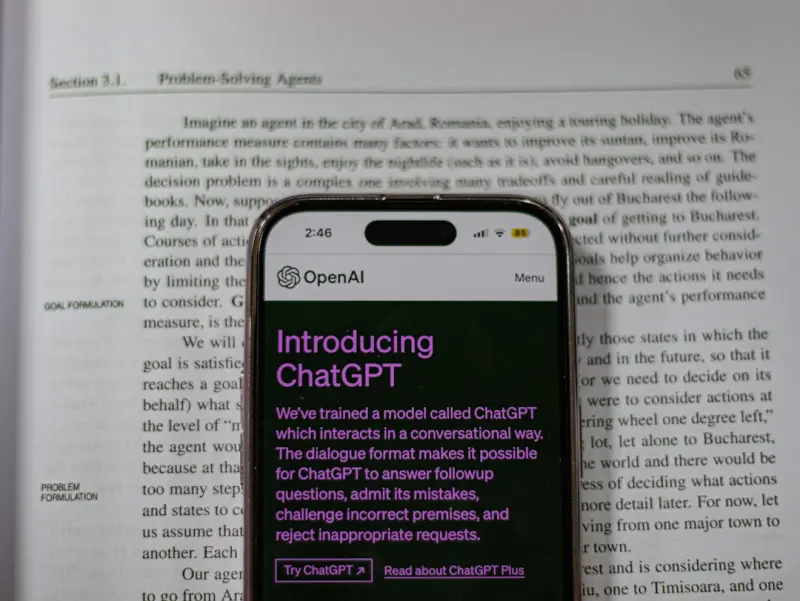
Conversational Commerce: Turning Chat into Checkout
Learn why conversational commerce is the next evolution in eCommerce, how to design effective chat flows, integrate with existing systems, and track the right m...Read More

Link Building in 2026: Strategies That Actually Move the Needle
Explore the most effective 2026 link‑building strategies, including contextual relevance, mobile‑first outreach, social signals, and AI‑powered analytics ...Read More

Rethinking Link Building: Harnessing Collaborative Data Partnerships for Sustainable SEO
Explore a new link‑building frontier where data partnerships replace cold outreach, delivering high‑quality backlinks and lasting authority through co‑cre...Read More
0 Comments
Post Comment
You will need to Login or Register to comment on this post!