
Why SEO Needs a Scientist’s Mindset
For years I chased rankings with intuition, tweaking titles and hoping the algorithm would notice, but the modern SERP rewards data‑driven rigor more than guesswork ever did. The moment we treat each optimization as a hypothesis, we unlock the ability to measure real impact rather than chasing vanity metrics that fade with every Google update. In this article I’ll walk you through an A/B testing framework that turns SEO from an art into a repeatable science, and I’ll share the exact steps I use to prove every change delivers measurable ranking lift.
Static Strategies Are No Longer Sufficient
Traditional SEO checklists—keyword stuffing, backlink building, on‑page tweaks—often feel like a static to‑do list, leaving us blind to the nuanced ways search engines evaluate relevance today. When you stop assuming a change works and start measuring it, you discover hidden friction points that no competitor analysis can reveal. The shift from static to experimental thinking is the single most powerful lever for sustainable growth.
Build a Testable Hypothesis, Then Let the Data Speak
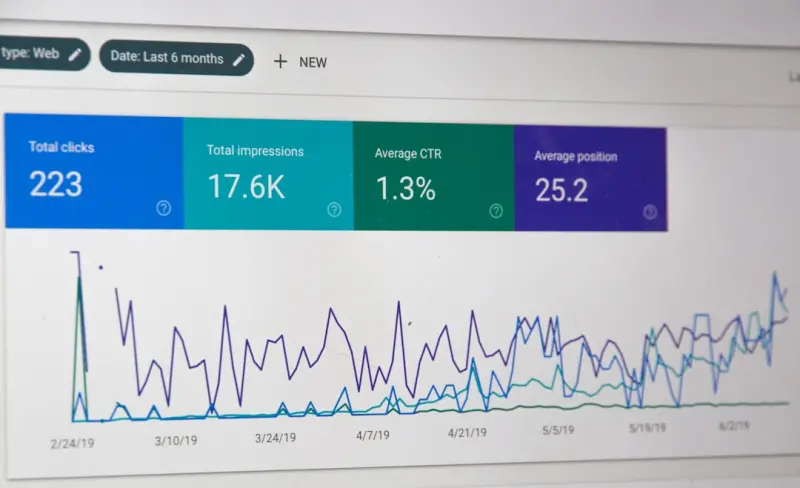
Every test begins with a clear hypothesis: “If I rewrite the meta description to include a question, click‑through rate will improve, and rankings will rise.” You then create a control version (the current page) and a variant (the new copy), ensuring both serve identical traffic pools to avoid bias. By tracking impressions, clicks, and position changes in Search Console you can attribute any movement directly to the change, especially when you layer in insights from semantic SEO strategies that capture intent beyond exact keywords.
Pick the Right Elements to Test
Not every on‑page element yields a meaningful signal; focus on the levers that directly influence user signals and crawler interpretation—title tags, meta descriptions, structured data snippets, and internal link placement. Swapping a generic title for a benefit‑focused one often shifts click‑through rates, while adding FAQ schema can capture the coveted zero‑click position. Even subtle changes to image alt text can boost relevance for visual search, making each test a low‑risk, high‑reward experiment.
Equip Yourself With the Right Tools
Google Search Console remains the backbone for tracking impressions and average positions, but pairing it with server logs, heatmap overlays, and rank‑tracking software creates a full‑funnel view of performance. Tools like Screaming Frog let you automate variant rollout across hundreds of pages, while custom scripts can pull raw click data into a spreadsheet for quick statistical analysis. When you combine these data sources, you gain the granularity needed to spot micro‑trends before they become macro‑wins.
Understand Statistical Significance Before Celebrating Wins
It’s tempting to proclaim victory after a single week of uplift, but without proper confidence intervals you risk chasing noise. Calculate the required sample size based on your average monthly impressions, then wait until the test reaches that threshold before drawing conclusions. A 95% confidence level ensures the observed change is unlikely to be a random fluctuation, safeguarding your SEO budget from costly false positives.
A Real‑World Case: Turning a Product Page Into a SERP Magnet
One recent experiment involved an ecommerce product page that languished on page three for a high‑intent keyword. We replaced the static title with a dynamic, question‑based version and added zero‑click SEO FAQ markup that answered the top three user queries. After a 30‑day testing window, click‑through rates jumped 27%, and the page vaulted to the top three positions, delivering a 42% increase in organic revenue. This case proves that even modest, data‑backed tweaks can generate outsized ROI when measured rigorously.
Scale Your Experiments With Automation and Collaboration
Testing one page at a time is a luxury you can’t afford at scale; build a testing calendar that aligns with product launches, content cycles, and technical deployments. Automation scripts can rotate variants, log performance metrics, and flag statistically significant results for review. By involving developers, content creators, and analysts in the testing loop, you create a cross‑functional feedback engine that continuously refines your SEO playbook.
Make Experimentation Part of Your SEO Culture
Embedding A/B testing into the DNA of your SEO team transforms every optimization from a hopeful guess into a proven tactic, fostering a culture of curiosity and accountability. As you accumulate a library of tested hypotheses, you’ll develop an internal knowledge base that accelerates future decisions and reduces reliance on trial‑and‑error. Embrace the scientific method, and you’ll watch your rankings climb not by chance, but by deliberate, evidence‑based action.

Tammy French is a Montessori Teaching Assistant and freelance writer passionate about education, creativity, and inspiring lifelong learning through engaging content.
Related Posts

Zero‑Click Search: How SaaS Brands Can Win Without Clicks
Zero‑click search is reshaping SEO. Discover a step‑by‑step strategy—semantic clustering, sc... Read More
Turn Your SaaS Pricing Page Into an SEO Powerhouse
A step‑by‑step guide shows why a SaaS pricing page is a hidden SEO goldmine and how to turn it i... Read More

Semantic SEO for SaaS: Building a Knowledge Graph to Dominate Your Niche
Learn a data‑driven, future‑proof SEO strategy that transforms your SaaS site into a semantic hu... Read More
Top Posts

SERP Evolution: Turning Zero‑Click Features into Real‑World Leads
The SERP is no longer just a list of links—AI‑generated answers, knowledge panels, and personalized features are redefining visibility. Learn how to optimiz...Read More

Capturing the Visual Real Estate of SERPs: A SaaS Playbook
This post reveals a step‑by‑step playbook for SaaS marketers to harness visual SERP features—image carousels, video boxes, and diagram snippets—turning ...Read More
Local SEO in 2024: A Comprehensive Guide
Stay ahead of the curve in local SEO with our comprehensive guide. Learn the latest trends, strategies, and best practices to dominate your local market....Read More

Micro‑Geotargeting: The Untapped Gold Mine for Local SEO
Learn a step‑by‑step playbook for micro‑geotargeting—using hyperlocal keywords, schema, and user‑generated content to dominate neighborhood searches a...Read More
0 Comments
Post Comment
You will need to Login or Register to comment on this post!