

Why AI‑First SEO Is No Longer a Fancy Concept, but a Practical Necessity
When Google first rolled out RankBrain and later BERT, most SEO pros treated them as isolated algorithm tweaks—nice to know, but not worth overhauling a content strategy around. Fast‑forward to today, and the search landscape has morphed again. Generative AI is now woven into the fabric of Google’s SERPs, from AI‑generated snippets to conversational answers that bypass traditional blue links altogether.
For SaaS marketers, this shift isn’t just another technical footnote; it’s a seismic change in how prospects discover, evaluate, and ultimately purchase solutions. Ignoring AI‑first SEO is akin to building a skyscraper on sand—your structure may look impressive, but it won’t stand the next gust of algorithmic wind.
Understanding the New Search Paradigm
Google’s AI layer does three things differently than the classic keyword‑centric model:
- It prioritizes intent over exact phrasing. The engine can infer a user’s goal from a handful of words and serve a comprehensive answer without a click.
- It evaluates knowledge depth and contextual relevance. Content that demonstrates nuanced expertise—through data, case studies, and real‑world examples—rises higher than surface‑level overviews.
- It rewards structured signals that help the model understand relationships. While traditional SEO has always championed meta tags and headings, AI models thrive on richer, machine‑readable cues.
These behaviors mean that the classic “keyword stuffing + backlink building” playbook is losing its edge. Instead, you need a strategy that marries human insight with AI‑friendly signals.
Three Pillars of an AI‑Ready SEO Strategy
Below is a practical framework you can start implementing immediately. Each pillar addresses a core requirement of the AI‑driven SERP.
1. Intent‑First Content Architecture
Google’s AI can now parse passage ranking, meaning it can surface a single paragraph from a long‑form piece if it perfectly answers a query. To capitalize on this, think of your content as a collection of micro‑answers rather than a single monolith.
- Map the buyer journey in terms of questions. Early‑stage prospects might ask “What is churn rate and why does it matter?” while later‑stage users query “How does X SaaS reduce churn by 30%?”
- Design each page to answer 3‑5 tightly scoped questions. Use subheadings, bullet points, and concise paragraphs that let the AI pull out a relevant passage.
- Layer in contextual signals. Include data tables, charts, and real‑world examples that demonstrate depth. Google’s AI prefers content that can be verified by external sources.
2. Elevate E‑E‑A‑T with Proven Evidence
Google’s Quality Rater Guidelines now emphasize Experience, Expertise, Authority, and Trust (E‑E‑A‑T). For SaaS brands, this translates into showcasing:
- First‑hand case studies. Not generic testimonials, but detailed narratives that walk through the problem, solution, metrics, and timeline.
- Third‑party validation. Links to independent research, industry reports, or analyst briefings that corroborate your claims.
- Transparent author bios. Highlight the credentials of the content creator—especially if they have a background in data science, product development, or customer success.
When you combine these elements with structured markup (see the structured data guide for implementation details), you give Google’s AI the confidence to elevate your content as a trusted source.
3. Technical Foundations That Speak Machine Language
AI models ingest web pages much like a human reader would, but they also rely heavily on the underlying code to understand context. A few technical tweaks can make a massive difference:
- Schema.org markup for FAQs, How‑Tos, and Product Details. This not only fuels rich snippets but also feeds the AI model structured knowledge that can be referenced in generative answers.
- Core Web Vitals optimization. While speed and stability are long‑standing ranking factors, they also influence how quickly AI can retrieve and process your content. (Our deep dive on Core Web Vitals explains why this matters more than ever.)
- Logical URL hierarchies and breadcrumb trails. Clear pathways help the AI understand topical relationships across your site.
From Theory to Practice: A Step‑by‑Step Playbook
Let’s walk through an example of how a SaaS company offering a customer‑success platform could rework a cornerstone blog post to align with AI‑first SEO.
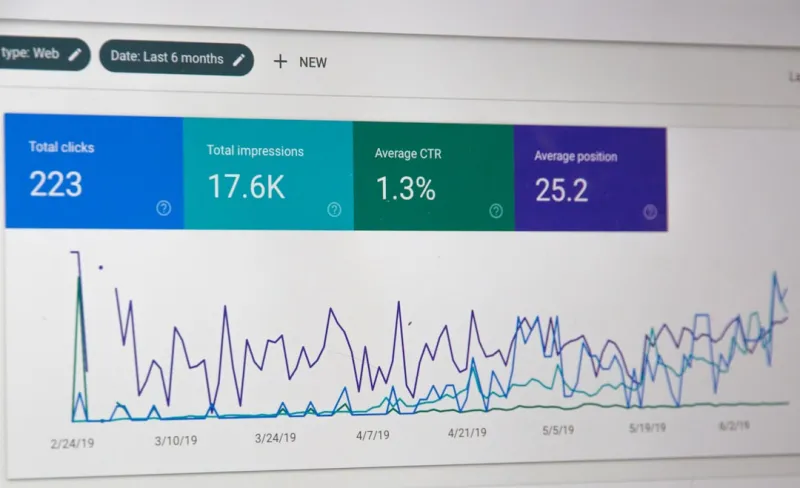
- Audit existing content for intent gaps. Use tools like Google Search Console’s “Queries” report to identify queries that currently land on a generic “Customer Success” page but have high click‑through rates.
- Rewrite the page into a topic hub with sub‑pages. The hub addresses the broad question “How to improve customer success.” Sub‑pages dive into specific intents: “Measuring NPS”, “Automating onboarding”, “Reducing churn with AI”. Each sub‑page targets a distinct query cluster.
- Implement structured data. Add FAQ schema for each sub‑page’s main questions, and Product schema for your SaaS offering. This creates multiple entry points for Google’s AI to surface concise answers.
- Enrich with real data. Insert a case study where a client reduced churn by 28% after adopting your platform. Include a downloadable PDF and embed a chart using
<figure>tags with properalttext. - Optimize for Core Web Vitals. Compress images, enable lazy loading, and serve fonts via
font-display: swap. Verify scores in PageSpeed Insights and aim for a LCP under 2.5 seconds. - Promote through internal linking. Link the new sub‑pages from existing high‑authority articles, such as the semantic topic clusters guide, to pass link equity and reinforce topical relevance.
Measuring Success in an AI‑Dominated SERP
Traditional SEO KPIs—organic traffic, keyword rankings, and backlink counts—still matter, but they need to be complemented with AI‑specific metrics:
- Zero‑click impression share. Track how often your content appears in AI‑generated answer boxes, even if the user doesn’t click through.
- Passage ranking visibility. Use tools that surface which paragraphs of your content are being featured in SERPs.
- Engagement after AI exposure. Measure dwell time and conversion rates from users who landed on a page after seeing a snippet or answer.
By monitoring these signals, you can fine‑tune your content to better align with the AI’s selection criteria.
Common Pitfalls and How to Avoid Them
Even with a solid framework, many marketers stumble on a few recurring mistakes:
Over‑optimizing for a Single Query
AI models thrive on breadth. If you obsess over ranking for “customer success software” alone, you may miss out on long‑tail intent clusters that collectively drive more qualified traffic. Embrace a clustered approach instead.
Neglecting Freshness
Generative AI pulls from the most recent, reputable sources. Stale data can cause the model to demote your content in favor of newer, more up‑to‑date answers. Establish a regular content audit cadence—at least quarterly—to refresh statistics, case studies, and product information.
Ignoring Human Review
While AI can surface your content, the final decision to convert often rests with a human. Ensure that your calls‑to‑action, contact forms, and demo requests are clear, concise, and placed strategically after the AI‑generated answer.
Future‑Proofing Your SEO Strategy
Google’s AI roadmap hints at even deeper integration of large language models, multimodal search (text + image), and real‑time personalization. To stay ahead:
- Invest in a data‑first culture. The more high‑quality data you generate (usage metrics, customer outcomes, industry benchmarks), the richer your AI‑friendly content can become.
- Adopt a modular content system. Treat each answer snippet, data point, and visual as a reusable block that can be repurposed across multiple pages and formats.
- Monitor AI policy updates. Google periodically releases guidance on how it handles generative content. Staying informed helps you adapt before penalties hit.
Conclusion: Turn AI from a Threat into a Growth Lever
AI‑first SEO isn’t a passing fad; it’s the next evolution of how users find and trust information online. For SaaS companies, the upside is huge: higher visibility in answer boxes, increased brand authority, and a smoother path from discovery to conversion. By centering on intent, reinforcing E‑E‑A‑T with solid evidence, and speaking the language of machines through structured data and performance optimization, you can turn the AI wave into a competitive advantage.
Start small—pick one high‑traffic page, apply the three‑pillar framework, and measure the impact. Then scale the learnings across your site. In the age of generative search, the brands that thrive will be those that blend human insight with AI‑ready engineering.

Paul Gray is a dynamic blogger based in Brampton, where he shares his life with his amazing wife, Sarah. Known for his engaging writing style and relatable insights, Paul has carved out a niche in the blogging world that resonates with readers from all walks of life. When he's not crafting captivating posts, you can find him savoring a cold beer or indulging in the latest blockbuster movie. With a friendly demeanor and a passion for storytelling, Paul brings a unique perspective to his work, making him not just a blogger, but a voice for those who appreciate the simple joys of life.
Related Posts
The Evolution of SEO: How to Stay Ahead in 2024 and Beyond
Stay ahead in SEO 2024 with the latest trends and strategies. Learn how to adapt to the evolving lan... Read More

Passage Ranking Playbook: How SaaS Companies Can Capture More Real‑Estate in Google Search
Passage ranking lets Google surface specific paragraphs that answer niche queries. This playbook sho... Read More

How Structured Data Can Turn SaaS FAQs into SEO Gold
Learn why implementing FAQ and How‑To structured data is a game‑changing SEO tactic for SaaS com... Read More
Top Posts

Edge‑Powered Technical SEO: How CDNs and Edge Functions Supercharge SaaS Rankings
A deep dive into using edge computing and CDN‑based functions to accelerate SaaS pages, enhance Core Web Vitals, and give search bots a faster, cleaner path t...Read More

Going Global: A Technical SEO Blueprint for SaaS Companies
Discover a step‑by‑step technical SEO playbook for SaaS firms expanding worldwide, covering hreflang implementation, duplicate content handling, edge perfor...Read More

Taming the Crawl: A SaaS SEO Playbook
A practical guide for SaaS marketers on managing Google’s crawl budget, from audit to implementation, ensuring high‑value pages get the attention they deser...Read More

Employee Advocacy: The Secret Weapon for SaaS Brands on Social Media
Learn why empowering employees to share authentic stories on social platforms can dramatically amplify a SaaS brand’s reach, trust, and lead generation, and h...Read More
0 Comments
Post Comment
You will need to Login or Register to comment on this post!