

Why International Technical SEO Matters for SaaS
In the world of SaaS, borders are increasingly irrelevant. Your product can be purchased in Nairobi, Zurich, and São Paulo with a single click. Yet, the search engines that drive discovery still respect geography, language, and regional intent. Ignoring these signals means you’re leaving a massive portion of potential traffic—and revenue—on the table.
International technical SEO is the discipline that ensures search engines can understand, crawl, and rank each regional version of your site correctly. It goes beyond translation; it’s about structuring your architecture, serving the right signals, and optimizing performance for every market you target.
1. Designing a Scalable Multilingual Architecture
A solid foundation starts with a clear URL strategy. The three most common approaches are:
- Subdomains (e.g., de.example.com) – great for separating server resources and analytics, but can dilute domain authority if not managed carefully.
- Subfolders (e.g., example.com/de/) – easier to consolidate link equity and simplifies cross‑regional analytics.
- Country‑code top‑level domains (ccTLDs) (e.g., example.de) – signals strong geographic relevance to Google, but requires separate hosting and SEO effort for each domain.
For SaaS platforms that already have a robust technical SEO blueprint in place, subfolders often provide the best balance between scalability and authority consolidation. They let you reuse existing server infrastructure while still giving you the flexibility to serve language‑specific content.
2. The Power of hreflang and Canonical Tags
The hreflang attribute tells search engines which language and region a page targets. Misusing or omitting it can cause duplicate‑content penalties and the dreaded “wrong language” SERP appearance.
Key best practices:
- Include a self‑referencing
hreflangtag on every localized page. - Provide a full
x-defaultreference for users who land on a generic version. - Use absolute URLs to avoid confusion with relative paths.
- Make sure each language version points back to all other versions (including the
x-default)—a complete matrix prevents orphaned pages.
When you have a large SaaS documentation library, automating the generation of these tags through your CMS or build pipeline saves countless hours and eliminates human error.
3. Managing Crawl Budget Across Regions
Every site has a finite crawl budget—the number of pages Googlebot will fetch within a given period. International SaaS sites can quickly exceed this budget if you’re not intentional about which pages get crawled.
Prioritization tactics include:
- Segmented XML sitemaps: One sitemap per language/region helps Google allocate crawl resources efficiently.
- Robots.txt directives: Block low‑value sections (e.g., staging environments, test pages) for specific regional crawlers.
- Server response codes: Return 410 (Gone) for permanently removed pages to free up budget faster.
- Log file analysis: Identify which regional pages are being crawled most often and adjust internal linking accordingly.
For a deeper dive on how to fine‑tune this process, see our crawl budget mastery guide.
4. Language‑Specific Structured Data
Rich results are a powerful way to capture attention in SERPs, especially for SaaS products that often appear in the “People also ask” and “Featured snippet” boxes. However, schema markup must match the language of the page.
Implementation steps:
- Identify the most valuable schema types for your SaaS (e.g.,
SoftwareApplication,FAQPage,Product). - Translate all schema property values (including
description,name, andoffers) into the target language. - Validate each localized page with Google’s Rich Results Test to catch syntax errors that could be language‑specific.
- Use
inLanguageproperty when available to reinforce the page’s linguistic intent.
Properly localized structured data not only improves rankings but also boosts click‑through rates by presenting information that resonates with the user’s native tongue.
5. Performance Optimization for Global Audiences
Site speed is a universal ranking factor, yet latency spikes dramatically when users request assets from a distant data center. International SaaS sites should consider:
- CDN edge locations: Deploy static assets (JavaScript, CSS, images) to a global CDN that caches content close to the user.
- Regional server clusters: Serve dynamic content (e.g., personalized dashboards) from regional cloud instances to reduce round‑trip time.
- HTTP/2 and Brotli compression: Modern protocols shave milliseconds off every request, which accumulates across multi‑page flows.
- Lazy loading and code splitting: Deliver only what’s needed for the user’s locale, avoiding unnecessary language packs.
Measuring performance with tools like Lighthouse and WebPageTest across multiple locations ensures you catch regional bottlenecks before they impact rankings.
6. International Keyword Research—Beyond Translation
Translating your existing keyword list is a common misstep. Search intent varies by market; a term that converts in the United States may be a dead end in Japan.
Effective workflow:
- Use local keyword tools (e.g., Naver for Korea, Baidu for China) to uncover native search phrases.
- Analyze competitor SERPs in each market to understand the content types Google serves.
- Map search volume to conversion metrics—some languages have high volume but low SaaS adoption.
- Prioritize long‑tail phrases that align with your product’s unique value proposition in that region.
This approach ensures your content strategy is built on genuine demand, not just literal translations.
7. Content Localization vs. Globalization
Localization goes deeper than swapping words. It includes adapting date formats, units of measurement, currency, and even UI conventions. For SaaS platforms, this means:
- Displaying pricing in the local currency and tax regime.
- Adjusting trial period lengths to match regional expectations (e.g., 14‑day vs. 30‑day trials).
- Tailoring onboarding flows to reflect local compliance requirements (GDPR vs. CCPA vs. LGPD).
When you combine technical SEO with true cultural adaptation, you dramatically improve both rankings and user experience—a win‑win for any SaaS growth engine.
8. Monitoring International Performance
Dashboards that aggregate global metrics are essential. Key signals to track:
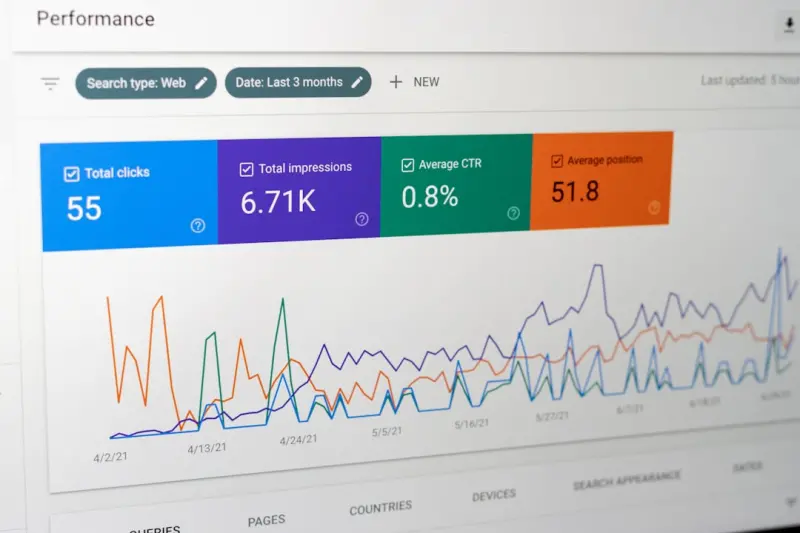
- Organic traffic by language/region (Google Search Console’s “Performance” report now supports country filters).
- CTR and position trends for localized queries.
- Technical health per region: crawl errors, indexation status, and structured data validation.
- Conversion rate differences across markets—identify if SEO is delivering qualified leads.
Set up automated alerts for sudden drops in any of these metrics. Early detection helps you pinpoint issues such as misconfigured hreflang tags or server outages in a particular data center.
9. Common Pitfalls and How to Avoid Them
Pitfall #1: Duplicate Content Across Regions
If you serve identical English content on both /en/ and /us/ without proper canonicalization, you’ll dilute authority. Use the self‑referencing hreflang matrix and canonical tags to tell Google which version is primary.
Pitfall #2: Ignoring Mobile‑First Indexing
Google now predominantly crawls the mobile version of a site. Ensure your responsive design works flawlessly across all regional subfolders and that localized navigation is mobile‑friendly.
Pitfall #3: Over‑Optimizing for One Language
Applying the same meta title length or keyword density rules across languages can look spammy. Each market has its own SEO norms; audit them regularly.
10. A Roadmap to International Success
Putting all these pieces together can feel overwhelming. Break the project into manageable phases:
- Audit & Strategy: Identify target markets, evaluate current international assets, and define URL structure.
- Technical Foundations: Implement hreflang, set up regional sitemaps, and configure CDN.
- Content Localization: Translate and adapt high‑value pages, add localized schema, and launch regional keyword campaigns.
- Performance & Monitoring: Run load tests per region, set up Search Console filters, and build a global SEO dashboard.
- Iterate & Scale: Use log file analysis to refine crawl budget, expand to additional languages, and continuously A/B test localized UX elements.
By following this roadmap, SaaS companies can turn the technical complexities of international SEO into a sustainable growth engine—one that fuels brand awareness, leads, and subscriptions around the globe.
Conclusion: Turning Borders into Opportunities
International technical SEO is not a one‑off project; it’s an ongoing discipline that aligns engineering, content, and marketing around a shared global vision. When done right, it amplifies the reach of your SaaS product without sacrificing the speed, security, or user experience that your existing customers love.
Start small—pick a priority market, apply the fundamentals outlined above, and measure impact. Then replicate the learnings, fine‑tune your architecture, and watch your global organic pipeline swell.

Sarah Gray is a proud Canadian who calls Brampton home, where she lives with her husband, Paul. A passionate home cook and gifted storyteller, Sarah loves creating delicious recipes and sharing stories inspired by everyday life, family, and cherished experiences. When she isn't experimenting in the kitchen, she's busy crafting engaging content that reflects her warmth, creativity, and love of connection. Above all, Sarah treasures time spent with her grandchildren, embracing every opportunity to create lasting memories with the people she loves most.
Related Posts

Automating Technical SEO in Your SaaS CI/CD Pipeline
Integrate SEO quality gates—crawl budget, schema validation, page speed, canonical logic—directl... Read More

Decoding Server Log Files: The Hidden SEO Blueprint for SaaS Platforms
Server logs reveal every interaction Googlebot has with your SaaS site. This post shows how to colle... Read More

Reinventing Technical SEO with Structured Data & Edge Signals
Learn to modernize technical SEO by leveraging edge computing, real‑time structured data, and inte... Read More
Top Posts
AI‑Driven SERP Features Are Changing How We Rank
Explore the rise of AI‑powered search results, learn why traditional keywords are fading, and get practical tactics to dominate the new SERP landscape....Read More

Link Building in 2026: Why Human Relationships Beat Algorithms
In 2026, link building is no longer about mass‑produced backlinks; it’s about authentic relationships, technical precision, and data‑driven results that b...Read More

Edge CDN Strategies: A Technical SEO Playbook for SaaS
A deep dive into edge CDN strategies, cache‑control headers, and log‑file analysis that SaaS teams can use to sharpen their technical SEO and outrank compet...Read More

Gamify Your Social Media: Turning Play into SaaS Growth
A fresh look at using game mechanics on social platforms to drive SaaS growth, with practical steps, metrics, and integration tips for marketers....Read More
0 Comments
Post Comment
You will need to Login or Register to comment on this post!