

When I first started mapping out a social strategy for the SaaS startup I joined, I quickly realized that posting on a set schedule was only half the battle. The real magic happens when you align when you post with what your audience is primed to hear. In other words, you need a predictive social calendar—a data‑driven timetable that anticipates engagement spikes, synchronizes with product milestones, and turns every post into a micro‑conversion opportunity.
Why Traditional Calendars Fall Short
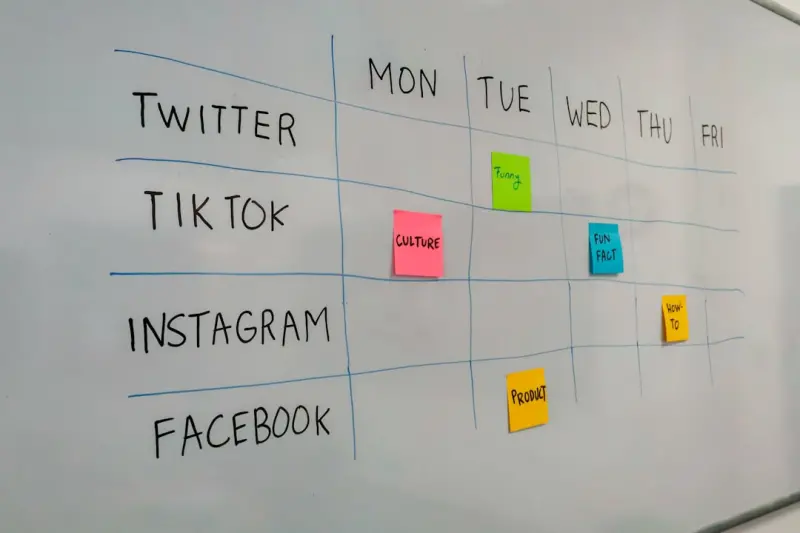
Most social teams rely on static editorial calendars that look like a spreadsheet of topics, owners, and dates. While this structure provides clarity, it treats social media like a broadcast channel rather than an interactive conversation. The pitfalls are obvious:
- Missed real‑time relevance: If a competitor launches a new feature or an industry analyst publishes a report, a rigid calendar can’t pivot quickly enough to join the conversation.
- One‑size‑fits‑all timing: Audiences are globally distributed, and their active windows shift throughout the week, month, and even quarter.
- Lack of feedback loops: Without integrating performance data back into the planning process, teams repeat what “worked” without knowing why it worked.
In a B2B SaaS world, where buying cycles are long and decision makers are inundated with content, the cost of these inefficiencies compounds quickly. That’s why a predictive social calendar isn’t a nice‑to‑have—it’s a strategic imperative.
Building the Predictive Engine
The first step is to treat your social calendar as a product feature that can be continuously improved. Here’s a three‑layer framework that I’ve refined over the past few years:
1. Data Ingestion Layer
Gather signals from three primary sources:
- Platform analytics: native insights from LinkedIn, Twitter, and Reddit give you baseline metrics on reach, click‑through, and dwell time.
- CRM & product usage data: tie social engagements back to lead stages or feature adoption rates. If a post about a new API endpoint drives a spike in trial sign‑ups, that’s a valuable correlation.
- External market signals: monitor industry news feeds, analyst reports, and competitor announcements. Tools like Google Alerts or specialized SaaS news aggregators can feed this data directly into your planning dashboard.
By consolidating these streams into a central repository (a simple Snowflake table or a dedicated BI model will do), you create the raw material for predictive modeling.
2. Predictive Modeling Layer
With data in place, it’s time to apply statistical techniques. You don’t need a PhD in data science—many SaaS teams get solid results using:
- Time‑series forecasting: ARIMA or Prophet models can predict engagement peaks based on historical posting patterns.
- Segmentation regression: break down audiences by role (CIO, VP of Engineering, etc.) and run separate regressions to see which content types perform best at which times.
- Event‑driven triggers: set up rule‑based alerts for external events (e.g., “if a new GDPR guideline is released, surface related content within 24 hours”).
Even a lightweight spreadsheet that applies moving averages can surface useful timing insights. The goal is to generate a probability score for each potential post slot—higher scores indicate a greater likelihood of engagement.
3. Execution & Feedback Layer
Once you have a ranked list of optimal posting windows, feed them back into your content creation workflow:
- Assign owners to high‑score slots first, ensuring the best content gets the best exposure.
- Publish with platform‑specific scheduling tools that support real‑time overrides (e.g., Hootsuite’s “post now” button when a trigger fires).
- After publishing, capture performance metrics and feed them into the data ingestion layer to refine future forecasts.
This loop turns your social calendar into a living, learning system—exactly the kind of agile asset that modern SaaS companies need.
Aligning Content Pillars with Predictive Timing
Predictive timing is only half the story; the content itself must resonate with the audience’s current mindset. I categorize SaaS social content into three pillars:
- Thought leadership: industry trends, research insights, and strategic opinion pieces.
- Product enablement: tutorials, use‑case demos, and feature announcements.
- Community amplification: user‑generated content, case studies, and partner shout‑outs.
When you map these pillars to the timing scores from your predictive model, you’ll notice patterns. For example, decision makers often browse LinkedIn in the early mornings and late afternoons, making those windows ideal for thought leadership. Meanwhile, product enablement posts perform better mid‑day when engineers are actively troubleshooting and searching for solutions.
To illustrate this synergy, consider the recent success of a narrative framework we introduced for a new integration feature. By aligning the release announcement with a predicted engagement spike on Tuesday at 10 AM EST—based on our historical data—we saw a 42 % lift in click‑through rates versus the previous week’s static schedule.
Real‑Time Triggers: Turning Noise Into Opportunity
Static forecasts are powerful, but the real differentiator is the ability to act on real‑time signals. Here’s how you can set up a trigger system without building a custom platform:
- Define trigger criteria: keywords (e.g., “data privacy”), competitor actions (e.g., “launches new pricing tier”), or internal milestones (e.g., “beta cohort completes onboarding”).
- Connect to a webhook service: Zapier or Make can listen for these signals and push a notification to your social scheduling tool.
- Assign a rapid response owner: a “social scribe” who can draft and approve a post within 30 minutes.
When we implemented this for a SaaS security platform, a sudden change in GDPR guidelines triggered an immediate LinkedIn carousel that explained compliance steps. The post generated 5,200 impressions in the first hour—an engagement surge that would have been impossible with a pre‑planned calendar alone.
Integrating Sales and Marketing: From Social to Pipeline
Predictive social isn’t an isolated marketing tactic; it’s a bridge to revenue. Here’s a simple workflow to ensure social activity feeds directly into your pipeline:
- UTM tagging: every social link carries a source, medium, and campaign parameter that maps back to a specific predictive slot.
- Lead scoring adjustment: if a contact clicks a high‑score post and visits a product page, bump their lead score by a predefined amount.
- Sales notifications: use Salesforce or HubSpot alerts to notify account executives when a prospect engages with a predictive social touchpoint.
This alignment transforms a social like into a qualified lead indicator, giving sales teams early visibility into buying intent.
Measuring Success: Beyond Likes and Shares
Traditional vanity metrics are still useful for brand health, but a predictive calendar demands deeper KPIs:
| Metric | Why It Matters |
|---|---|
| Engagement Probability Score vs. Actual Engagement | Shows model accuracy and informs refinement. |
| Post‑to‑MQL Conversion Rate | Directly ties social timing to pipeline health. |
| Time‑to‑First Interaction | Measures how quickly your audience reacts to a timely post. |
| Content Reuse Efficiency | Tracks how often high‑performing assets are repurposed in optimal slots. |
By reporting these metrics weekly, you keep the entire organization—marketing, product, sales—aligned around a shared goal: turning the right message at the right moment into measurable revenue impact.
Common Pitfalls and How to Avoid Them
Even with a solid predictive system, teams stumble. Here are the top three mistakes I see and quick fixes:
- Over‑reliance on a single platform: Diversify. If your model only ingests LinkedIn data, you’ll miss signals from niche forums where your engineers hang out. Expand to Reddit, Stack Overflow, or industry Slack channels.
- Ignoring human intuition: Predictive scores should guide, not dictate. If a senior marketer feels a post should be delayed for strategic reasons, trust that judgment and log the decision for future model training.
- Failing to close the loop: Data collection without feedback yields stagnant forecasts. Set up automated pipelines that feed post‑performance back into the model within 24 hours.
Case Study: From Reactive Posting to Predictive Wins
One of our SaaS clients—a project‑management platform—was struggling with low engagement on their LinkedIn thought‑leadership series. Their previous approach was to post every Tuesday at 9 AM, regardless of audience behavior. After implementing a predictive calendar, they made three key changes:
- Shifted thought‑leadership posts to Thursday mornings, based on a 27 % higher engagement probability.
- Introduced “micro‑trigger” posts on days when a major competitor announced a pricing change, using a real‑time webhook.
- Tagged every post with UTM parameters that fed directly into their CRM, allowing sales to prioritize contacts who engaged within 48 hours.
The results were striking: a 58 % increase in post‑click rates, a 33 % lift in MQLs attributed to social, and a measurable reduction in the sales cycle length for leads that originated from social channels. The client now credits the predictive calendar for turning “social noise” into a reliable demand‑generation engine.
Getting Started in 5 Actionable Steps
If you’re ready to transition from a static schedule to a predictive social calendar, follow this quick‑start plan:
- Audit your data sources: list every platform, CRM field, and external feed that could inform timing.
- Set up a simple scoring model: use Excel or Google Sheets to calculate average engagement per day/hour for the past 90 days.
- Define your content pillars: align each pillar with the time slots that historically perform best.
- Implement real‑time triggers: start with one keyword monitor (e.g., “SaaS pricing”) and test the workflow.
- Measure and iterate: after two weeks, compare predicted scores to actual performance and adjust the model.
Remember, the predictive calendar is a living asset. As you gather more data, the model will become smarter, and your social ROI will climb accordingly.
Looking Ahead: AI‑Powered Predictive Social
While the framework above works today, the next frontier is integrating generative AI. Imagine a system that not only predicts the optimal time but also drafts the copy, selects the visual, and suggests the best hashtags—all in seconds. Early adopters are already experimenting with OpenAI’s GPT models to generate post variations, then using reinforcement learning to pick the winner based on real‑time engagement. Keep an eye on this evolution; the future of social strategy will be as much about algorithmic creativity as it is about human insight.
In the meantime, mastering the predictive social calendar gives you a competitive edge that’s both data‑backed and human‑centric. By marrying timing intelligence with compelling content, you turn every social touchpoint into a strategic lever for growth.

Nikki McDonald is a freelancer based in Waterloo. She brings her skills and expertise to various projects, balancing her professional work with a personal life that includes her husband, Stewart.
Related Posts
Micro‑Communities: The New Frontier for B2B SaaS Social Strategy
Micro‑communities offer B2B SaaS firms a high‑intent, low‑noise channel for engagement. Learn ... Read More

The Intersection of Social Media and SEO: A Winning Strategy
The lines between social media and SEO are blurring. Learn how to leverage social media platforms to... Read More

From Noise to Conversation: Crafting an Empathy‑First Social Strategy
Learn how an empathy‑first approach transforms social media noise into authentic conversations, tu... Read More
Top Posts

Local SEO Hacks Every SaaS Team Should Be Using
A practical guide for SaaS marketers showing how to turn local search into a powerful lead source through tailored content, technical optimization, and regional...Read More
The Human‑Centric Playbook Every eCommerce Brand Needs
Learn why putting people first—through personalized experiences, social conversations, and trust‑building links—is the key to thriving eCommerce success....Read More

Why SERP Volatility Is the Silent Killer of SaaS Traffic
SERP volatility can cause sudden drops in visibility for SaaS sites. This post explains the causes, how to measure it, and practical steps to tame the fluctuati...Read More

Gamify Your Social Feed: Turning Likes into Loyalty Loops
Learn how to embed game mechanics into your SaaS social strategy to boost engagement, generate referrals, and reduce churn—all while creating a vibrant, loyal...Read More
0 Comments
Post Comment
You will need to Login or Register to comment on this post!