
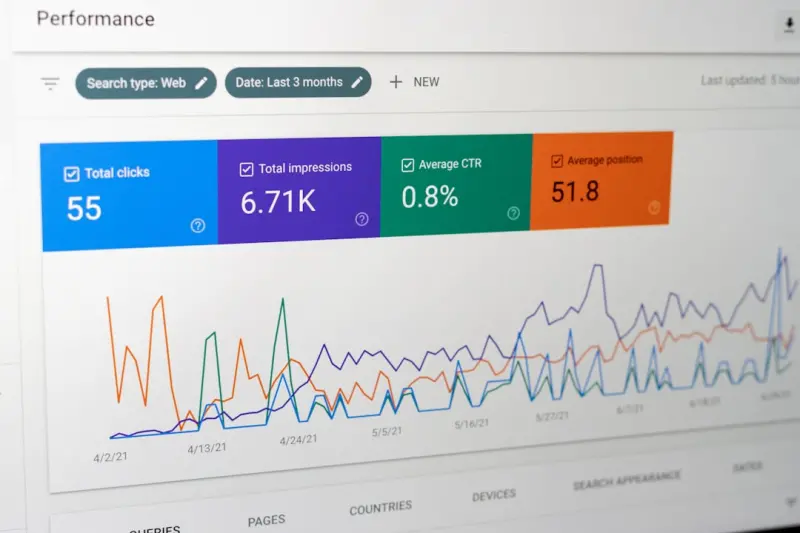
Why SERP Volatility Matters More Than Ever
Every time Google rolls out a tweak—whether it’s a subtle algorithm adjustment or a major core update—search rankings can wobble like a house of cards. Sudden drops or spikes aren’t just statistical noise; they signal how fragile your visibility truly is in an ever‑shifting ecosystem. When a top‑ranking page disappears overnight, the loss reverberates through traffic, leads, and ultimately revenue, forcing marketers to ask: how can we build a site that endures the chaos? The answer starts with treating SERP volatility as a strategic signal rather than a random inconvenience.
Decoding the Anatomy of Rank Fluctuations
Rank volatility is rarely a single‑cause event. It’s a composite of crawl frequency, fresh content signals, competitor activity, and even external events that shift user intent. By breaking down the layers of influence—from Google’s indexing cadence to real‑world news cycles—you can pinpoint whether a dip is temporary or symptomatic of deeper issues. For instance, a surge in news coverage about a niche topic can temporarily boost competitors’ authority, nudging your page down a few spots until the buzz settles. Understanding these dynamics equips you to react with precision, rather than launching blanket SEO fixes that waste time and budget.
Building a Robust Monitoring Framework
The first step toward resilience is a disciplined monitoring regimen. Relying on a single rank tracker can mask the nuance of daily swings, so combine multiple data sources: Google Search Console, third‑party rank tools, and even raw click‑through data from your analytics platform. Set up alert thresholds that trigger when a page’s position shifts more than a predefined number of spots within a 48‑hour window. By visualizing volatility trends over weeks, you’ll spot patterns—like recurring drops on Mondays that align with Google’s weekend crawl pause—allowing you to pre‑emptively reinforce vulnerable content.
Integrating AI‑Powered Forecasts
Modern AI models can now ingest historical rank data, content signals, and competitor activity to predict the probability of future fluctuations. These forecasts aren’t crystal balls, but they provide a probabilistic risk score for each key landing page. When a page’s risk exceeds a certain threshold, you can proactively refresh the content, add schema, or boost internal linking to shore up its position. Leveraging AI in this way transforms volatility from a reactive headache into a proactive planning tool, giving you a strategic edge before the next algorithmic tremor hits.
Crafting Content That Bounces Back Quickly
Resilient content isn’t just about depth; it’s about adaptability. Structure articles with modular sections that can be updated independently—think FAQs, data tables, and case studies that you can swap out without rewriting the entire piece. Embedding evergreen pillars alongside timely updates ensures that when a trend fades, the core value remains intact. Moreover, diversify your SERP presence: aim for featured snippets, “People also ask” boxes, and video carousels so that even if the main organic rank dips, you still capture impressions across multiple SERP real‑estate.
Leveraging Internal Link Architecture for Stability
A well‑designed internal linking strategy acts like a safety net for volatile pages. By funneling link equity from high‑authority hub pages to at‑risk articles, you boost their perceived relevance and crawl priority. This isn’t about stuffing links; it’s about logical pathways that guide both users and search bots to the most valuable content. When you notice a page wobbling, a quick audit of its inbound internal links often reveals gaps you can fill, instantly reinforcing its authority without additional backlinks.
Learning from Proven Success Stories
Consider the case of a tech blog that faced a dramatic dip after a core update targeted “thin content.” By integrating insights from Data‑Driven Link Building, the team identified high‑quality, contextual backlinks and paired them with a systematic content enrichment plan. Within six weeks, the blog not only reclaimed its lost rankings but also achieved higher click‑through rates thanks to richer snippet information. This example underscores how combining data‑centric tactics with volatility monitoring can turn a crisis into a growth opportunity.
Actionable Checklist for SERP Resilience
- Set up multi‑tool rank monitoring with daily alerts for >2‑spot movements.
- Implement AI risk scoring for all priority pages and schedule quarterly reviews.
- Design content modules that can be refreshed independently of the whole article.
- Audit internal link flows monthly, reinforcing at‑risk pages with hub links.
- Target additional SERP features—snippets, FAQs, video—beyond the standard organic result.
- Document every volatility incident in a shared log to identify long‑term patterns.
Following this checklist transforms volatility from a surprise attack into a manageable, data‑driven process, ensuring that your rankings stay steady even as the SERP landscape evolves.
Future Outlook: Turning Volatility into a Competitive Advantage
As Google continues to personalize and localize results, the SERP will become an increasingly dynamic canvas. Those who merely react will fall behind, while those who anticipate shifts will capture the most valuable real‑estate. By embedding volatility monitoring, AI forecasting, and resilient content architecture into your SEO workflow, you’ll not only survive the inevitable algorithmic tremors but also harness them as signals for fresh growth opportunities. The next wave of SEO success belongs to marketers who view every rank swing as a data point, not a disaster.

Paul Gray is a dynamic blogger based in Brampton, where he shares his life with his amazing wife, Sarah. Known for his engaging writing style and relatable insights, Paul has carved out a niche in the blogging world that resonates with readers from all walks of life. When he's not crafting captivating posts, you can find him savoring a cold beer or indulging in the latest blockbuster movie. With a friendly demeanor and a passion for storytelling, Paul brings a unique perspective to his work, making him not just a blogger, but a voice for those who appreciate the simple joys of life.
Related Posts

The Hidden Power of SERP Widgets: Turning Real‑Time Data Cards into Traffic Engines
SERP widgets are the silent traffic drivers most marketers ignore. This guide reveals why they matte... Read More

Zero‑Click SERPs: Turning No‑Click Traffic into Brand Power
Zero‑click SERPs are reshaping how SaaS marketers capture demand. This post explores how to claim ... Read More

The Art of SERP Branding: Turning Search Features Into a Cohesive Brand Experience
A step‑by‑step guide to building a unified brand presence across search results—from structure... Read More
Top Posts

Edge Computing: The Mobile SEO Playbook for Faster Rankings
Explore a fresh mobile SEO strategy that leverages edge computing, serverless rendering, and smart caching to slash latency, earn rich results, and boost rankin...Read More

The Future of eCommerce: Trends to Watch
The eCommerce industry is rapidly evolving, with new trends emerging every year. Stay ahead of the curve and discover the latest eCommerce trends to watch....Read More

AI‑Powered Product Bundles: The Secret Sauce for Higher eCommerce AOV
Learn why AI‑powered bundles are reshaping eCommerce, how to implement them, and the psychology that turns shoppers into loyal buyers....Read More

Why Local SEO Matters: A Guide to Dominating Your Local Market
Local SEO is crucial for businesses that rely on local customers. Learn how to optimize your website for local SEO and dominate your local market with our exper...Read More
0 Comments
Post Comment
You will need to Login or Register to comment on this post!