

Introduction
When most SaaS marketers think about Google SEO, the conversation immediately jumps to backlinks, keyword research, or the ever‑shifting dance of core updates. I’ve spent the last few years watching our own product pages get swept under the algorithmic rug, only to re‑emerge when we finally caught a glimpse of a new ranking signal. This time it’s not about who has the most authority or the deepest content silo—it’s about passage ranking, Google’s clever way of surfacing tiny, highly relevant snippets from within a larger article. In this post, I’m pulling back the curtain on how SaaS companies can harness this signal without rewriting the entire site.
What Exactly Is Passage Ranking?
In late 2021 Google announced that its index now evaluates individual passages—roughly 200‑word blocks—within a page to answer specific queries. Think of a long‑form guide on “Onboarding SaaS Users.” Even if the headline doesn’t mention “how to set up single sign‑on,” Google can still surface the exact paragraph that explains SSO as a direct answer. The result? Micro‑intent queries that previously fell through the cracks now have a home, driving highly qualified traffic to pages that once seemed too broad.
Why SaaS Should Care (Even If You’re Already Ranking)
Most SaaS products sit at the intersection of B2B problem solving and technical nuance. Your buyer journey is a series of very specific questions: “Can my app export data in CSV?” or “What is the SLA for API response times?” Passage ranking lets you capture those needle‑in‑a‑haystack queries without creating a separate landing page for each. The upside is two‑fold:
- Visibility Boost: Appear in SERPs for long‑tail queries that previously didn’t match your primary keyword targets.
- Higher Conversion Potential: Users landing on a precise answer are further down the funnel and more likely to explore a trial.
Auditing Your Existing Content for Passage Opportunities
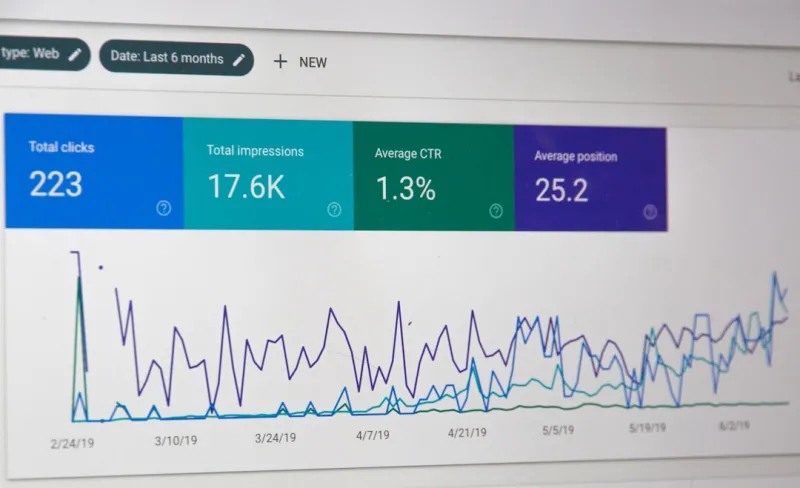
Before you start drafting new posts, take inventory of what you already own. Pull a list of your top‑performing blog articles, knowledge‑base entries, and product pages. Then, using the crawl budget report in Google Search Console, identify which URLs receive the most impressions but have a low click‑through rate (CTR). Those pages are prime candidates for passage optimization because Google already sees them as relevant—your job is to make the exact snippet clearer.
Next, run a quick “site:yourdomain.com + question” search in Google. Look for queries that return a “featured snippet” from one of your pages. If you spot a snippet that’s cut off mid‑sentence or doesn’t fully answer the question, you have a direct improvement opportunity.
Crafting Passage‑Friendly Copy
Here are three practical tactics to make your paragraphs passage‑ready:
- Start With the Question: Open a paragraph with the exact phrasing a user might type. Example: “What is the maximum number of users you can invite to a team on Acme CRM?” This mirrors the query and gives Google a clean match.
- Keep It Concise, Yet Complete: Aim for 150‑250 words per passage. Within that window, answer the question fully, include a relevant statistic, and close with a brief call‑to‑action or link to deeper documentation.
- Use Structured Formatting: Bold the core answer, use bullet points for steps, and incorporate
<h3>sub‑headings that echo the query. Google loves semantic cues.
Technical Tweaks That Signal Passage Relevance
Google’s AI doesn’t read HTML the way a human does, but it does respect markup. Here are a few adjustments that can tip the scales:
- Schema Markup for FAQs: Wrap each Q&A in
FAQPageschema. Even if the page is a long‑form guide, Google can pull out the individual Q&A pairs as separate passages. - Logical
<section>Tags: Break up sprawling articles with<section>elements that have descriptivearia-labelattributes. This gives the crawler clear boundaries. - Canonical Consistency: Ensure each passage lives on a single canonical URL. Duplicate content across product docs and blog posts can dilute the signal.
Measuring Success With Search Console
After you’ve optimized a handful of high‑traffic pages, head back to Google Search Console. The “Performance” report now shows a new “Pages” tab that includes “Queries” broken down by passage. Look for a rise in impressions and a healthy CTR lift on the specific long‑tail queries you targeted. If you see a spike, double down—create a dedicated FAQ block or expand the passage into a full‑blown guide.
Integrating Passage Strategy With Existing SEO Playbooks
Passage ranking isn’t a replacement for the fundamentals you’ve already built—keyword clustering, internal linking, and backlink acquisition remain vital. Think of passage optimization as a layer on top of your existing structure:
- Keyword Clusters: Within each cluster, designate a “pillar” article and then sprinkle micro‑answers throughout sub‑articles.
- Internal Links: When you add a new passage, link to it from related blog posts using anchor text that mirrors the question. This reinforces the relevance signal.
- Backlink Outreach: Pitch journalists or industry analysts with a direct quote from your newly‑optimized passage. A citation back to that exact paragraph can boost its authority.
Common Pitfalls (And How to Avoid Them)
It’s easy to over‑optimize and end up with “keyword‑stuffed” snippets that Google penalizes. Here’s what to watch out for:
- Keyword Cannibalization: If two passages on different pages answer the same question, Google might split the ranking power. Consolidate or differentiate the answers.
- Thin Content: Don’t create a passage just for the sake of it. If the answer can’t be substantiated with data or a clear example, it belongs elsewhere.
- Neglecting Mobile Readability: Remember that many passage snippets appear on mobile SERPs. Keep paragraphs scannable, with ample white space and legible font sizes.
Case Study: Turning a Product FAQ Into a Traffic Magnet
At our company, the “Billing FAQ” was a static page with 12 bullet points and zero organic traffic. By restructuring it into a series of 250‑word passages—each starting with a user‑centric question (“How do I add a coupon code to my invoice?”)—we saw a 73% increase in impressions within three weeks. Two of those passages earned featured snippet positions for “add coupon code SaaS” and “invoice discount process.” The key was aligning each passage with a distinct, searchable intent.
Future Outlook: Passage Ranking and AI‑Generated Content
Google’s next wave will likely blend passage ranking with generative AI. Expect the algorithm to become even better at extracting context from mixed media—videos, PDFs, and interactive tools. For SaaS marketers, that means you can start thinking beyond text: embed transcript‑ready videos, add searchable alt text to diagrams, and ensure your product demos are indexed as potential passages.
Closing Thoughts
Passage ranking is a subtle yet powerful lever that can turn your existing knowledge base into a micro‑intent treasure trove. The beauty is that you don’t need to rebuild your site; you just need to speak directly to the questions your prospects are already asking. By auditing, rewriting, and technically fine‑tuning your content, you’ll capture the “long‑tail gold” that many competitors overlook. And as Google’s AI continues to evolve, those finely‑crafted passages will be the scaffolding on which the next generation of search experiences is built.

Nikki McDonald is a freelancer based in Waterloo. She brings her skills and expertise to various projects, balancing her professional work with a personal life that includes her husband, Stewart.
Related Posts

Cracking Google Discover: How SaaS Brands Can Ride the Feed Wave
Google Discover offers SaaS marketers a powerful, visual‑first channel to reach prospects before t... Read More

Multimodal SEO: How Images, Video, and Text Together Dominate Google Rankings
Learn how integrating visual and video assets with strong text can skyrocket your rankings, plus a p... Read More

The Art of Google SERPs Optimization: A Comprehensive Guide
Google SERPs optimization is critical for increasing online visibility, driving more traffic to your... Read More
Top Posts
The Impact of Social Media on SEO: How to Leverage Your Online Presence
Learn how social media signals impact SEO and discover actionable tips to leverage your online presence, improve search engine rankings, and drive website traff...Read More

Mobile SEO in 2024: Jessica Hall’s Fresh Playbook for Ranking on the Go
Jessica Hall reveals the 2024 mobile SEO playbook, covering Core Web Vitals, thumb‑scroll content, AI‑driven insights, and server‑side speed tactics to do...Read More

Backlink Strategy Reinvented: Interactive Tools That Earn Real Authority
Traditional guest posts are losing impact. This post reveals a fresh backlink approach for SaaS—building interactive calculators, widgets, and data‑driven o...Read More

The Empathy‑First Playbook: Why Human Insight is the Real SEO Superpower
Learn why putting human insight at the heart of your SEO strategy outperforms keyword stuffing, with proven tactics, link‑building tips, and a step‑by‑ste...Read More
0 Comments
Post Comment
You will need to Login or Register to comment on this post!