

Why Hyperlocal Mapping Matters More Than Ever
When I first started consulting small‑business owners, the most common complaint was that “people just can’t find us online.” What they didn’t realize was that search engines have moved beyond city‑wide signals to a hyperlocal mapping paradigm that rewards businesses that can pinpoint their exact footprint on the map. Today, a coffee shop on Main Street competes not just with other cafés in the city but with any venue that appears within a few blocks of a user’s GPS ping. This shift forces us to think in terms of street corners, landmarks, and even the flow of foot traffic, rather than relying solely on broad city or zip‑code targeting.
Building a Hyperlocal Landing Page Blueprint
My go‑to strategy begins with a dedicated landing page for each service area, a technique I’ve refined after countless A/B tests. Rather than a single “Our Services” page, I create URLs like /city‑neighborhood‑service that embed the exact neighborhood name, nearby cross streets, and a brief, location‑specific intro. This structure not only satisfies search engines’ need for relevance but also gives visitors immediate confidence that they’ve landed on the right page. Pairing these pages with a solid topic cluster approach ensures that related articles—such as “Best Breakfast Spots Near Riverwalk” or “Pet‑Friendly Parks in Downtown”—feed authority back to the core landing page.
Structuring Geo‑Specific Schema for Maximum Impact
Schema markup used to be a one‑size‑fits‑all solution, but the new LocalBusiness schema allows us to embed granular details like areaServed, geoCoordinates, and even hasMap links directly into the HTML. By feeding precise latitude and longitude values, we give Google the confidence to surface a business in the “near me” carousel. I’ve also started layering AI‑generated structured data snippets that adapt to seasonal changes—think “holiday lights tours” in December versus “summer patio specials” in June—keeping the schema fresh without manual updates.
Turning Real Customer Photos into Ranking Fuel
One of the most underutilized assets in local SEO is user‑generated visual content. I encourage clients to ask satisfied customers for permission to share their photos on the business’s Google Business Profile and on the hyperlocal landing pages. These images, when tagged with location‑specific alt text, act as visual backlinks that reinforce the page’s relevance to the surrounding area. A simple “Our team serving happy diners on Main St.” caption can boost the page’s relevance signal, especially when the photo is geotagged and appears in Google Images results for nearby searches.
Partner‑Driven Local Link Building Strategies
Traditional link building often feels like a cold‑call campaign, but local link acquisition thrives on community partnerships. I’ve seen success by collaborating with nearby schools, chambers of commerce, and even local event organizers to earn contextual backlinks. For example, sponsoring a neighborhood clean‑up and publishing a post‑event recap on the business site not only generates a natural link from the city’s official website but also creates a story that resonates with local readers. These community‑centric links carry a weight that generic directory listings simply cannot match.
Leveraging Google Business Profile Q&A and Posts
Many businesses set up their Google Business Profile and then forget it, but the Q&A and Posts sections are real‑time SEO levers. I treat the Q&A as a dynamic FAQ, seeding common queries like “Do you offer curbside pickup on Oak Avenue?” and answering them with concise, keyword‑rich responses. Meanwhile, weekly Posts let you highlight hyperlocal events—such as a pop‑up market on the corner of 5th and Pine—giving Google fresh content signals that reinforce the business’s relevance to that micro‑area. Consistency here translates directly into higher visibility in the local pack.
Harnessing Proximity Advertising with Geo‑Fencing
Beyond organic tactics, geo‑fencing offers a paid complement that can accelerate local visibility. By setting up a virtual fence around a 500‑meter radius of a storefront, ads trigger only when a user’s device enters that zone, delivering a hyper‑targeted call‑to‑action like “Show this ad for 10% off your coffee today.” This precision not only improves ad spend efficiency but also reinforces the business’s presence in the local search algorithm, as repeated exposure signals relevance to both users and search engines.
Measuring Success: The Local SEO Dashboard You Need
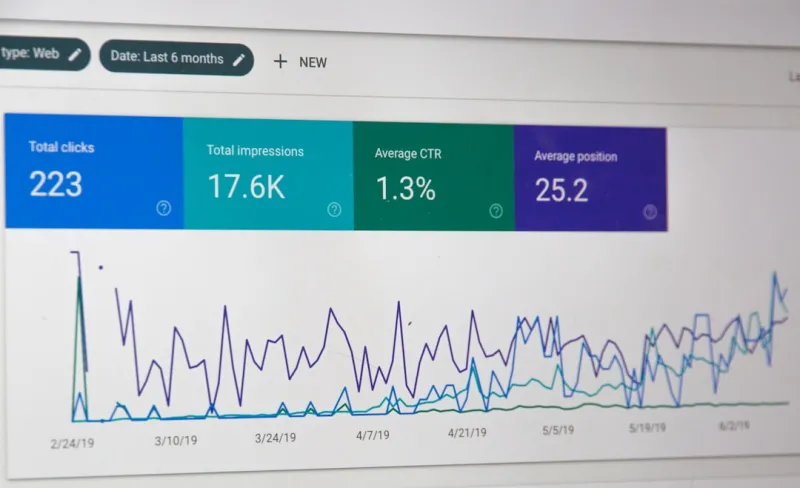
Data‑driven decision‑making is the backbone of any SEO strategy, and hyperlocal campaigns are no exception. I build a custom dashboard that tracks keyword rankings for each neighborhood, Google Business Profile insights, click‑through rates from geo‑fenced ads, and the volume of user‑generated photos. Integrating Google Analytics’ “Location” reports with Search Console’s “Performance” data lets you pinpoint which micro‑areas are delivering the most conversions, allowing you to double‑down on the highest‑ROI neighborhoods.
Putting It All Together: A 30‑Day Action Plan
To get started, I recommend a three‑phase rollout: Week 1—audit existing listings, create hyperlocal landing page templates, and implement geo‑specific schema; Week 2—launch a community partnership outreach campaign and solicit user photos; Week 3—activate geo‑fencing ads, schedule weekly Google Business Profile posts, and set up the local SEO dashboard. By the end of the month, you should see measurable lifts in local pack impressions, a spike in organic traffic from “near me” queries, and a clearer picture of which neighborhoods are primed for growth.

Tom Ferguson is a Canadian freelance writer with a passion for storytelling, current events, and thoughtful commentary. Drawing on years of writing experience, he shares engaging insights on a wide range of topics, bringing a uniquely Canadian perspective to his work.
Related Posts
Why Local SEO Matters: A Comprehensive Guide
Local SEO is crucial for businesses that want to attract local customers and drive more traffic to t... Read More

Local SEO for SaaS: Automate Citations, Build Partnerships, Scale Revenue
Discover a tech‑first local SEO strategy for SaaS—automated citation pipelines, community partne... Read More

Unlocking the Power of Local SEO for B2B SaaS Growth
Local SEO isn’t just for brick‑and‑mortar shops. For B2B SaaS firms targeting specific regions... Read More
Top Posts

The Co‑Creation Playbook: Turning Partnerships into Powerful Links
Shift from cold outreach to collaborative content creation. This guide shows how co‑authoring research, webinars, and data assets with complementary partners ...Read More

Why Micro‑Communities Are the Next Growth Engine for B2B SaaS on Social Media
Micro‑communities on niche platforms like Slack, Discord, and Reddit offer B2B SaaS marketers a high‑trust, high‑intent channel for lead generation. Learn...Read More

AI-Generated SERP Snippets: What They Mean for Your Visibility
Explore the rise of AI‑generated SERP snippets, why traditional SEO tactics need a refresh, and actionable strategies to guide the algorithm and boost visibil...Read More

Why Local Reviews Are the Hidden Engine Driving SaaS Growth
Local reviews are an untapped growth lever for SaaS companies. Learn how to claim listings, collect hyper‑local testimonials, and integrate them with SEO tact...Read More
0 Comments
Post Comment
You will need to Login or Register to comment on this post!