
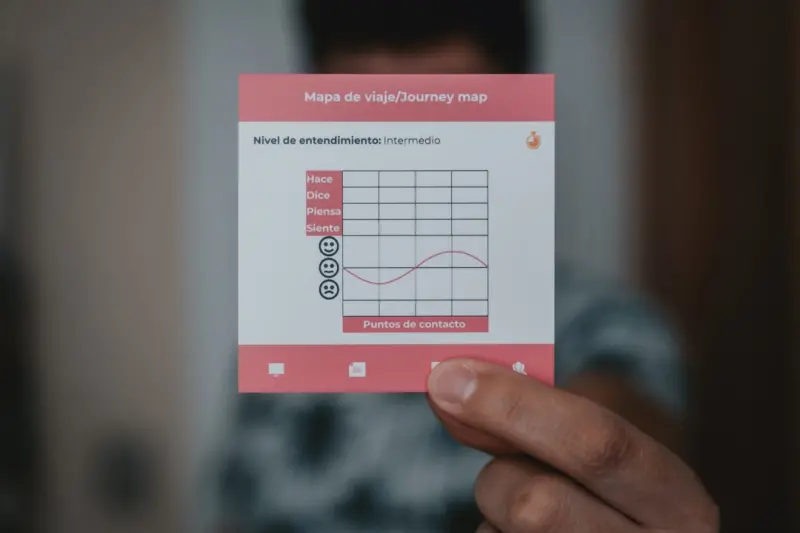
Why One‑to‑One Experiences Are the New Currency of Digital Marketing
When I first stepped into the world of digital marketing, the mantra was “mass reach, mass impact.” We poured budgets into broad‑scale campaigns, chased impressions, and celebrated vanity metrics. Fast forward a few years, and the landscape has shifted dramatically. Today, the most successful brands are those that treat every prospect as an individual—delivering messages that feel hand‑crafted, even though they’re powered by sophisticated automation.
The Data Deluge Isn’t a Problem, It’s an Opportunity
Every click, scroll, and interaction generates a data point. In isolation, these signals are noisy; together, they form a vivid portrait of intent. The real challenge is not collecting data—it’s interpreting it in real time and using those insights to serve hyper‑relevant content.
- Behavioral intent: What page did the visitor linger on? Which product videos did they replay?
- Contextual cues: Are they on a desktop or mobile device? What time of day are they browsing?
- Historical engagement: Have they responded to previous email sequences or webinars?
When you stitch these threads together, you can predict the next logical step for each individual and present it before they even realize they need it.
From Segments to Singular Journeys
Traditional segmentation—grouping users by industry, job title, or firm size—still has value, but it’s the next layer that unlocks true personalization. Think of it as moving from “marketing to a crowd” to “marketing to a person sitting across a table.” Here’s how you can make that shift:
- Dynamic content blocks: Use AI‑driven templates that swap out headlines, images, and CTAs based on the visitor’s real‑time behavior.
- Micro‑triggered emails: Instead of a weekly newsletter, send a short, contextual email the moment a prospect watches a product demo video.
- One‑click pathways: Design landing pages with pre‑filled forms that reflect the visitor’s known data, reducing friction to a single click.
Human‑Centric Personalization at Scale: The Tech Stack
Achieving this level of granularity requires a blend of tools that can talk to each other without creating data silos. Below is a practical stack you can assemble without breaking the bank:
- Customer Data Platform (CDP) – Centralizes first‑party data and creates a unified profile for each lead.
- Behavioral Analytics Layer – Monitors on‑site actions in real time (e.g., heatmaps, scroll depth).
- AI‑Powered Recommendation Engine – Suggests content, products, or next steps based on predicted intent.
- Marketing Automation Hub – Orchestrates triggered emails, SMS, and in‑app messages.
- Privacy‑First Consent Management – Ensures compliance while still delivering personalized experiences.
When these components are aligned, the result is a seamless, human‑centric journey that feels both personal and effortless.
Measuring Success: Beyond Click‑Through Rates
Traditional metrics like CTR and bounce rate only tell part of the story. In a one‑to‑one world, you need to track engagement depth and conversion velocity. Consider the following KPI set:
- Intent Score – A composite metric that blends page views, content interactions, and time spent.
- Micro‑Conversion Rate – The percentage of visitors who take small, high‑value actions (e.g., downloading a spec sheet).
- Time‑to‑Revenue – How quickly a personalized touch moves a lead from first contact to paying customer.
- Customer Lifetime Value (CLV) uplift – The long‑term revenue boost attributable to personalized experiences.
By shifting focus to these deeper indicators, you’ll uncover the true ROI of personalization and justify budget allocations to leadership.
Case Study: Turning Data into a One‑to‑One Conversation
One of our SaaS clients—a B2B workflow automation platform—was struggling with low demo‑request rates despite high traffic volumes. We implemented a human‑centric personalization framework:
- Integrated a CDP to unify lead data from webinars, email campaigns, and on‑site behavior.
- Deployed a real‑time recommendation engine that surfaced relevant case studies based on the visitor’s industry and the specific features they explored.
- Set up micro‑triggered emails that delivered a short “next‑step” video the moment a prospect lingered on the pricing page for more than 30 seconds.
The results were striking: a 42% increase in demo requests, a 27% lift in qualified‑lead conversion, and a 15% reduction in sales cycle length. The key takeaway? When prospects feel understood, they move faster.
Common Pitfalls and How to Avoid Them
Even with the best intentions, teams can stumble when scaling personalization. Here are three traps to watch out for:
- Over‑automation – Relying solely on algorithms without human oversight can lead to tone‑deaf messaging. Periodically review automated flows to ensure they remain relevant and empathetic.
- Data fragmentation – Silos across sales, support, and marketing dilute the richness of a single profile. A robust CDP is essential to keep the view unified.
- Privacy fatigue – Bombarding prospects with too many personalized touches can feel invasive. Balance relevance with frequency, and always provide clear opt‑out paths.
Integrating Existing Strategies for Maximum Impact
Personalization doesn’t exist in a vacuum. It can amplify other proven tactics you’ve already mastered. For instance, if you’ve explored Zero‑Click SEO to capture attention on SERPs, combine it with a dynamic, personalized landing page that greets the visitor by name and offers a tailored resource.
Similarly, insights from Predictive Link Building can feed your CDP, enriching profiles with external authority signals that further refine content recommendations.
And when you’re measuring the impact of these blended approaches, don’t forget the holistic view offered by Holistic Attribution for B2B SaaS. It helps you attribute revenue to the subtle, personalized touchpoints that often go unnoticed in traditional last‑click models.
Getting Started: A 30‑Day Action Plan
Ready to shift from mass messaging to genuine one‑to‑one experiences? Follow this concise roadmap:
- Week 1 – Audit & Unify Data: Map all data sources, implement a CDP, and create unified profiles for at least 30% of your traffic.
- Week 2 – Build Dynamic Content: Develop two to three dynamic email templates and landing page variants that adjust based on intent signals.
- Week 3 – Deploy Micro‑Triggers: Set up real‑time triggers for key behaviors (e.g., video plays, pricing page dwell) and test with a small segment.
- Week 4 – Measure & Optimize: Track the new KPI set (Intent Score, Micro‑Conversion Rate, etc.), compare against baseline, and iterate.
By the end of the month, you should see a measurable lift in engagement and a clearer picture of how personalization drives revenue.
Future‑Proofing Your Personalization Strategy
The digital marketing landscape will continue to evolve with AI, voice, and immersive experiences. Yet the core principle remains constant: people crave relevance. As new channels emerge—think conversational bots on messaging apps or AR product demos—the same data‑first, human‑centric approach will apply.
Invest in a flexible tech stack, keep privacy at the forefront, and never lose sight of the human story behind each data point. When you do, personalization becomes not just a tactic, but a sustainable competitive advantage.

Becky Putman is an Ottawa-based freelance writer and marketing professional with a passion for storytelling, animals, and community involvement. She enjoys creating engaging content that informs, inspires, and connects with readers.
Related Posts

Zero‑Party Data: The New Frontier for SaaS Marketing Growth
Zero‑party data—information customers willingly share—offers SaaS marketers a privacy‑safe, ... Read More
Micro‑Influencer Partnerships: A Fresh Playbook for B2B SaaS Marketers
Micro‑influencers, with their niche, highly‑engaged audiences, are becoming the hidden engine be... Read More

Micro‑Influencer Affiliate Networks: Scaling Trust in Digital Marketing
Explore the rise of micro‑influencer affiliate networks and learn practical steps to harness their... Read More
Top Posts
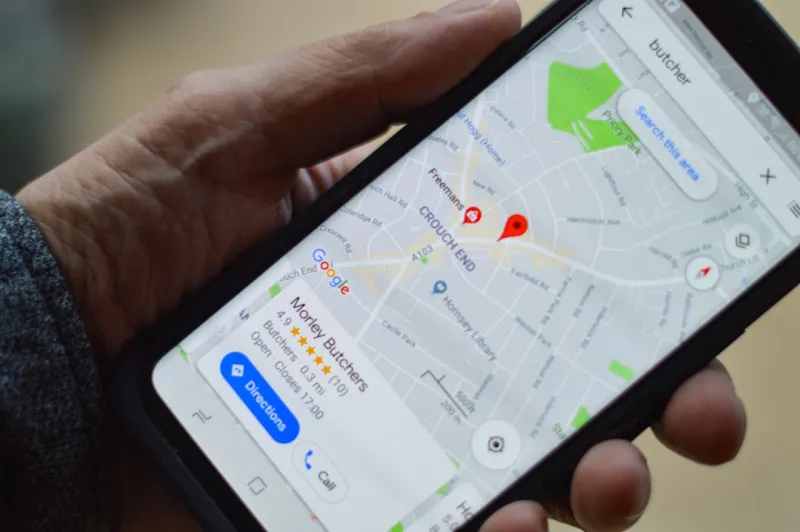
The Impact of Social Media on Local SEO in 2024
Social media has become a crucial component of local SEO in 2024. Learn how to optimize your social media presence to improve your local search rankings and dri...Read More

Optimizing for AI‑Generated Search Snippets: A New SEO Frontier
Discover the rise of AI‑generated search snippets and practical strategies—structured data, topic clusters, and technical tweaks—to dominate this new SERP...Read More
Visual Search SERPs: How Image‑First Queries Are Redefining SEO
Explore the surge of visual search, learn technical fundamentals for image indexing, and get a strategic playbook to dominate image‑first SERPs and boost orga...Read More

The Link‑Building Playbook for 2024: Strategies That Stand the Test of Time
Shawn DesRochers reveals how to blend classic outreach with AI‑driven research, align links with content clusters, and build sustainable relationships for las...Read More
0 Comments
Post Comment
You will need to Login or Register to comment on this post!