

Why Passage Ranking Matters for SaaS Marketers
When Google first introduced passage ranking, the SEO world collectively raised an eyebrow. “What’s the big deal?” many asked. The answer is simple: Google can now surface tiny, highly relevant snippets from long-form pages as if they were standalone articles. For SaaS companies that pour weeks into comprehensive guides, whitepapers, and knowledge bases, this is a game‑changer. It means every paragraph you write has the potential to rank—provided you treat it like a mini‑page.
From Whole‑Page to Whole‑Paragraph: The Paradigm Shift
Traditional SEO taught us to optimize titles, meta descriptions, headings, and overall page relevance. Passage ranking adds a new layer: in‑page relevance. Google’s algorithms now parse the context of each passage, understand the nuance of the language, and match it against a user’s query with laser precision.
The practical upshot? A 3,000‑word resource on “customer onboarding automation” can rank for “how to send a welcome email in SaaS” even if that exact phrase never appears in the H1 or URL. The passage containing that answer can surface in the SERP, driving highly qualified traffic directly to the most relevant part of your content.
Key Signals Google Uses to Identify Passages
While Google hasn’t published the exact formula, the SEO community has identified a handful of signals that influence passage ranking:
- Semantic Cohesion: The passage must stay on a single topic without drifting. Cohesive language helps Google’s language model lock onto the subject.
- Proximity of Keywords: Even if exact match isn’t required, related terms within the same paragraph boost relevance.
- Structured Data and Markup: Using
<section>or heading tags to delineate logical sections can give Google clearer boundaries. - Answer‑Oriented Sentences: Directly answering a question within a sentence (or two) signals that the passage is a concise solution.
- Internal Linking Context: Anchor text that points to a specific passage can reinforce its relevance in Google’s eyes.
Designing Content for Passage Success
Here’s a step‑by‑step framework I use when crafting SaaS content that’s passage‑ready:
- Map Out User Questions. Start with a thorough semantic SEO exercise. List every micro‑question a prospect might ask about a feature, pricing model, or implementation challenge.
- Chunk Your Content. Break the document into logical, bite‑sized sections—usually 150–250 words each. Treat each chunk like a mini‑article with its own sub‑heading.
- Lead with Answers. Open each section with a concise answer sentence. This mirrors the “featured snippet” style and gives Google a clear signal.
- Embed Contextual Keywords. Sprinkle related terms naturally throughout the passage. Avoid keyword stuffing; focus on semantic richness.
- Use Structured Markup. Apply
<h3>for sub‑headings and<section>tags where appropriate. When you have FAQ‑style content, useFAQPageschema to highlight question/answer pairs. - Link Deep. Instead of pointing all internal links to the top of a page, link directly to the most relevant passage using anchor text that mirrors the target query.
Real‑World Example: Turning a Feature Guide Into a Passage Engine
Consider a SaaS product with a “Dynamic Reporting” feature. The traditional approach would be a single feature guide covering setup, customization, export options, and security.
By restructuring the guide into discrete passages, each addressing a specific query, you unlock multiple ranking opportunities:
- “How to schedule automated reports” – a 180‑word passage with step‑by‑step instructions.
- “Can I export reports in CSV?” – a concise Q&A snippet.
- “Reporting API rate limits” – a technical paragraph with code samples.
When a user searches “SaaS export report CSV”, Google can pull the exact passage, display it in the SERP, and drive the user straight to the answer without them scrolling through the entire guide.
Leveraging Existing Assets: Knowledge Bases and Help Centers
Most SaaS companies already maintain a knowledge base. Instead of treating it as a static repository, apply passage‑ranking principles to each article:
- Audit each article for distinct user intents.
- Rewrite introductions to directly answer the most common query.
- Insert internal links that point to the exact paragraph that solves a problem.
This approach not only boosts organic visibility but also improves the on‑site experience. Users find answers faster, reducing support tickets and increasing satisfaction.
Measuring Passage Performance
Traditional SEO metrics—organic traffic, keyword rankings, click‑through rate—still apply, but you’ll also want to monitor:
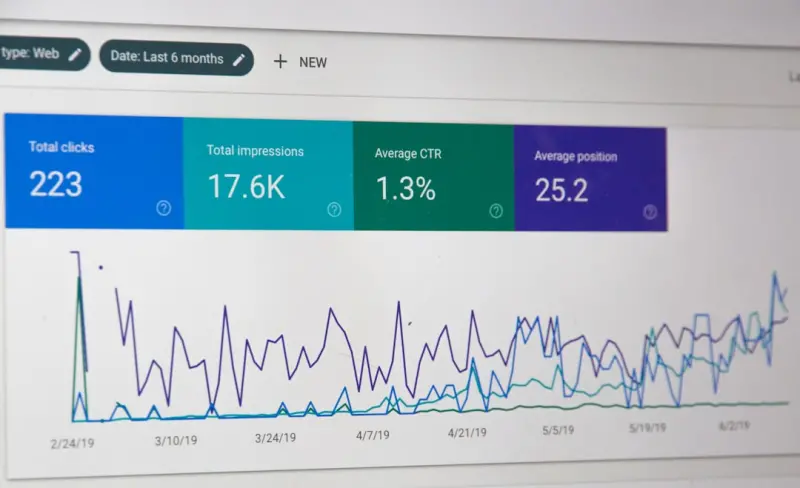
- Impressions for Specific Queries. Google Search Console’s Performance report now shows queries that triggered passage matches. Look for spikes in impressions without corresponding CTR; this often indicates a passage is appearing in the SERP but not enticing clicks.
- Engagement Metrics. Time on page and scroll depth can reveal whether users find the passage they landed on useful.
- Support Ticket Volume. A drop in tickets related to a query signals that the passage is effectively answering the question.
Passage Ranking and AI Search Signals
Google’s AI-driven ranking signals—like BERT and MUM—work hand‑in‑hand with passage ranking. While AI Search Signals look at overall topical relevance, passage ranking zeroes in on micro‑context. By aligning both, you can dominate both broad and niche queries.
Practical tip: after drafting a passage, run it through an AI content analyzer (e.g., OpenAI’s GPT‑4) to ensure it captures the intent clearly. The AI can suggest alternative phrasings that maintain semantic relevance while enhancing readability.
Common Pitfalls and How to Avoid Them
Even seasoned marketers can trip up when optimizing for passages. Here are the most frequent mistakes and quick fixes:
- Over‑Chunking. Splitting content into too many tiny fragments can dilute authority. Aim for passages that are complete thoughts, not sentence fragments.
- Redundant Content. Copy‑pasting the same answer across multiple passages can trigger duplicate content issues. Use canonical tags or consolidate similar answers.
- Neglecting Mobile UX. Passages should be easy to read on mobile. Use short paragraphs, bullet points, and responsive design.
- Ignoring Core Web Vitals. Slow page load times can negate passage benefits. Ensure your page meets Google’s performance standards.
Integrating Passage Optimization Into Your SEO Workflow
To make passage ranking a sustainable part of your strategy, embed it into existing processes:
- Content Planning. During topic ideation, add a column for “Passage Opportunities” and list potential micro‑queries.
- Writing Stage. Assign writers to focus on answering one query per passage, using the framework above.
- Editing. Include a checklist item: “Passage answer sentence present?” and “Schema markup applied?”
- Publishing. Use a CMS that lets you add
data-section-idattributes—this helps you reference passages in internal links. - Post‑Publish Review. After a week, pull Search Console data to see which passages earned impressions, then tweak underperforming ones.
The Future of Passages: Anticipating Google’s Next Moves
Google is unlikely to stop at passages. Rumors suggest deeper integration with topic clusters and knowledge graphs. By mastering passage optimization now, you’ll be positioned to leverage whatever comes next—whether it’s AI‑generated “answer bundles” or hyper‑personalized search experiences.
In short, think of each passage as a mini‑landing page that lives inside a larger piece of content. Treat it with the same care you’d give a standalone article, and Google will reward you with visibility across the SERP spectrum.
Putting It All Together: A Quick Action Plan
Ready to start? Follow this three‑day sprint:
- Day 1: Audit your top‑performing SaaS guides. Identify 5‑10 distinct user questions per guide.
- Day 2: Rewrite the introductions of each identified passage. Add a concise answer sentence and appropriate sub‑headings.
- Day 3: Implement internal links that point directly to those passages. Add
FAQPageschema where relevant and monitor Search Console for passage impressions.
Within weeks, you’ll likely see new impression sources, reduced bounce rates, and a healthier support pipeline—all hallmarks of a successful passage strategy.
Conclusion: Turn Every Paragraph Into a Ranking Asset
Passage ranking is not a fleeting fad; it’s an evolution in how Google understands content depth. For SaaS marketers, the opportunity is enormous: transform long‑form assets into a constellation of highly targeted entry points for prospects at every stage of the buyer’s journey. By applying the tactics outlined above, you’ll not only capture more organic traffic but also deliver the precise answers your users crave—right where they need them.

David MacKinnon is a dynamic freelance writer known for his captivating storytelling and keen insights into the world of technology. With a passion for exploring the intersection of innovation and everyday life, he crafts engaging narratives that not only inform but also inspire his readers.
Related Posts

Unlocking Google MUM: A Multimodal SEO Playbook for Modern Marketers
Learn to harness Google’s Multitask Unified Model (MUM) with a step‑by‑step SEO playbook that ... Read More
Zero‑Click SERP Features: A SaaS Playbook for Dominating Search Answers
Zero‑click SERP features such as featured snippets, knowledge panels, and People Also Ask are resh... Read More

Turning Google’s “People Also Ask” Into a SaaS Growth Engine
Learn how to leverage Google’s “People Also Ask” feature as a strategic SEO asset for SaaS, fr... Read More
Top Posts

Employee Advocacy: The Missing Piece in Your SaaS Social Strategy
Employee advocacy turns every team member into a trusted brand ambassador, expanding reach, building credibility, and feeding the sales funnel with authentic, d...Read More
Decoding Server Logs: A Data‑Driven Roadmap to Technical SEO Excellence
Discover how server logs can transform your technical SEO strategy. From query‑driven insights to AI‑enhanced patterns, this guide shows you how to turn raw...Read More

Technical SEO in the Age of Empathy: Why Human‑Centric Signals Matter
Technical SEO isn’t just code—it’s about listening to users. Explore empathy‑driven tactics that align crawl budget, structured data, and mobile‑first...Read More

Listening to the Noise: How AI‑Driven Social Listening Fuels SaaS Product Innovation
Discover how AI‑powered social listening can transform everyday social media chatter into actionable product insights, sharpen ABM tactics, and boost SaaS gro...Read More
0 Comments
Post Comment
You will need to Login or Register to comment on this post!