

Why Global SEO Is No Longer a Luxury for SaaS Companies
When I first launched my SaaS startup, the mantra was simple: “Own the English‑speaking market, then scale.” Fast‑forward a few product releases and a handful of funding rounds, and the reality hit me like a cold‑slinging API error: growth stalls when you ignore the rest of the world. International SEO isn’t a “nice‑to‑have” add‑on; it’s a core growth engine that can shave months off your expansion timeline.
The Misconception That “SEO Is English‑Only”
Many SaaS founders assume that once you rank on the first page for “project management software” or “CRM for startups,” the rest of the planet will magically follow. The truth? Search engines treat each language and region as its own ecosystem. A page that dominates Google.com in the United States may never surface on Google.fr or Google.cn. If you’re not actively signaling to those engines, you’re essentially handing the market over to competitors who do.
Building a Solid International Keyword Foundation
Keyword research for global markets starts with intent, not translation. A German user searching for “Projektmanagement‑Software” may be looking for a free trial, while a Brazilian prospect typing “software de gestão de projetos” could be deeper in the buying funnel, expecting pricing details. The first step is to map out the buyer’s journey in each target locale and then use tools like Google Keyword Planner, Ahrefs, or SEMrush to uncover native‑language queries that match those intents.
- Localize intent clusters – Group keywords by stage (awareness, consideration, decision) within each language.
- Prioritize volume vs. competition – In emerging SaaS markets, a lower‑volume term with modest competition can yield faster wins.
- Consider regional terminology – “CRM” is universal, but “customer relationship management” might be rendered differently in Japan versus Spain.
Technical Foundations: Hreflang, Canonicals, and Crawl Budget
Before you write a single line of localized copy, you must make sure search engines understand the relationship between your language versions. The hreflang attribute is the backbone of international SEO. It tells Google, Bing, and Yandex which page to serve to users based on language and geographic targeting.
Mis‑configured hreflang tags are a silent traffic killer. A single missing tag can cause Google to serve the wrong language, leading to high bounce rates and lost rankings. To avoid this, I recommend generating a dynamic hreflang map in your CMS and validating it with Google’s Hreflang Test Tool.
While you’re tweaking technical signals, keep an eye on crawl budget. International pages multiply quickly—every locale adds a new set of URLs. If your server response times lag or you have duplicate content across regions, search bots will spend precious budget on low‑value pages, leaving your core product pages under‑crawled.
Content Localization vs. Translation
Translation alone won’t win you rankings. Google’s algorithms reward content that feels native to the target audience. This means adapting tone, examples, unit measurements, and even case studies to resonate locally.
- Hire native copywriters who understand SaaS jargon in their language. A literal translation of “user-friendly dashboard” may sound awkward in Japanese.
- Localize case studies with regional customers. A Brazilian testimonial about compliance with LGPD (the local data‑privacy law) will speak louder than a generic U.S. success story.
- Adjust CTAs and pricing language. In some markets, “Free trial” is compelling; in others, “Pay‑as‑you‑go” resonates more.
Leveraging Structured Data for International SERPs
Structured data isn’t just for product schema on your pricing page. International SaaS brands can use Organization and SoftwareApplication markup with localized name and description fields. When done correctly, Google may surface your app in Rich Results across multiple locales, giving you a visual advantage before users even click.
If you’re not sure where to start, revisit our structured data strategies guide. The principles are the same; the difference is you’ll need to duplicate and translate the JSON‑LD for each language version while preserving the correct @language attribute.
Zero‑Click Opportunities in Multilingual Search
Zero‑click searches are exploding, especially in mobile‑first markets where users expect instant answers. By creating concise, schema‑rich FAQ sections in each language, you can capture those coveted featured snippets.
Take the example of a SaaS “API rate limits” question. In English, you might rank in the top three positions for “API rate limit”. In French, a well‑crafted FAQPage schema with the query “limite de taux d’API” can earn a snippet on Google.fr, delivering traffic without a click. The same principle applies to “zero‑click search optimization”—just translate the intent and structure.
Link Building Across Borders
International backlinks signal relevance to local search engines. A high‑authority .de domain linking to your German landing page carries more weight than a generic .com link. To earn these links:
- Partner with local tech blogs and industry influencers for guest posts.
- Contribute to regional open‑source projects or developer forums and embed a link back to your localized docs.
- Offer region‑specific webinars or whitepapers that earn natural citations.
Remember, link quality trumps quantity. One mention from a reputable .co.jp site can outweigh dozens from low‑authority .info domains.
Measuring Success: International SEO KPIs That Matter
Tracking performance across markets requires a nuanced dashboard. Here are the core metrics you should monitor per locale:
- Organic impressions and clicks – Use Google Search Console’s international performance reports.
- Click‑through rate (CTR) – A low CTR may indicate mismatched meta titles or descriptions.
- Conversion rate by language – Tie organic traffic to downstream events like trial sign‑ups.
- Backlink profile health – Watch for spammy links that could affect your global domain authority.
- Crawl budget consumption – Ensure search bots are indexing high‑value pages, not duplicate boilerplate.
Setting up automated alerts for sudden drops in any of these metrics helps you catch indexing errors or algorithm updates before they snowball.
Scaling the Process: Automation Meets Human Insight
International SEO can feel like a massive translation project, but you don’t have to do it manually. Here’s a practical workflow:
- Keyword discovery – Run country‑specific queries in your research tool and export to a shared spreadsheet.
- Content brief generation – Use a template that includes intent, primary keywords, suggested word count, and cultural notes.
- Localization platform – Integrate a translation management system (TMS) that supports workflow approval by native editors.
- Technical validation – Deploy a CI/CD step that checks
hreflang, canonical tags, and schema JSON‑LD for each new locale. - Performance monitoring – Feed Search Console data into a BI tool (e.g., Looker or Tableau) for real‑time dashboards.
This blend of automation and human oversight keeps the process scalable without sacrificing the nuanced voice that resonates in each market.
Common Pitfalls and How to Avoid Them
- Duplicate content across locales – Never copy English copy verbatim; always add a
rel="canonical"pointing to the localized URL, not the English original. - Ignoring local regulations – GDPR in Europe, LGPD in Brazil, and data‑localization laws in India can affect how you phrase privacy notices and even the features you advertise.
- Over‑optimizing for one language – A keyword‑stuffed French page will be penalized just as harshly as an English one. Keep keyword density natural.
- Neglecting mobile performance – Emerging markets often rely on mobile‑first browsers. PageSpeed and Core Web Vitals matter everywhere.
Case Study: From Zero to First Page in Three New Markets
One of our SaaS clients launched localized sites for Spain, Brazil, and Japan simultaneously. Their initial approach was a simple translation of the English blog. After three months of high bounce rates and flat traffic, we applied the playbook outlined above:
- Implemented precise
hreflangtags for each language. - Created region‑specific case studies featuring local customers.
- Built a set of FAQ pages with
FAQPageschema in each language, targeting zero‑click queries. - Earned backlinks from three local tech publications via guest‑post collaborations.
The result? Within six months, the Spanish site ranked on page one for “software de gestión de proyectos”, the Brazilian site captured the featured snippet for “software de gestão de projetos grátis”, and the Japanese site entered the top three for “プロジェクト管理 ソフトウェア”. Combined, organic leads grew 42% and CAC dropped by 18% across the three markets.
Putting It All Together: Your International SEO Action Plan
- Audit your current footprint – Identify which languages you already rank for and where gaps exist.
- Prioritize markets – Use TAM, competition, and existing customer data to choose the top three to five locales.
- Develop localized keyword clusters – Align with buyer intent per market.
- Set up technical scaffolding – Hreflang, canonicals, and structured data for every new page.
- Produce native‑level content – Hire local writers, adapt case studies, and build region‑specific FAQs.
- Launch a localized link‑building campaign – Target high‑authority local domains.
- Monitor, iterate, and scale – Use the KPI framework to refine and expand into additional markets.
International SEO isn’t a one‑off project; it’s a continuous loop of research, creation, technical validation, and measurement. When you treat each market as a distinct audience rather than a translation afterthought, you unlock a scalable growth engine that fuels SaaS expansion for years to come.

Brody Lambert is an emerging freelance writer whose fresh voice and thoughtful approach are quickly making their mark. As a fairly new entrant in the world of freelance writing, Brody brings a blend of curiosity and dedication that fuels every project, crafting stories and content that resonate with authenticity and clarity.
Related Posts

Beyond Keywords: A Blueprint for Structured Data Dominance
Learn why structured data is the new SEO backbone, how to audit and implement schema at scale, and t... Read More

Human‑Centric SEO Strategy: Turning Users Into Loyal Advocates
Miranda Murphy reveals a fresh SEO playbook that prioritizes people over algorithms, merging crawlâ€... Read More

Zero‑Click Search Mastery: Turning Passive Queries Into Brand Wins
Learn a fresh SEO strategy that captures value from zero‑click search results, turning passive imp... Read More
Top Posts

Predictive SEO: How SaaS Leaders Can Stay One Step Ahead of Search
Predictive SEO transforms the traditional reactive approach into a forward‑looking strategy, allowing SaaS firms to anticipate search trends, synchronize cont...Read More
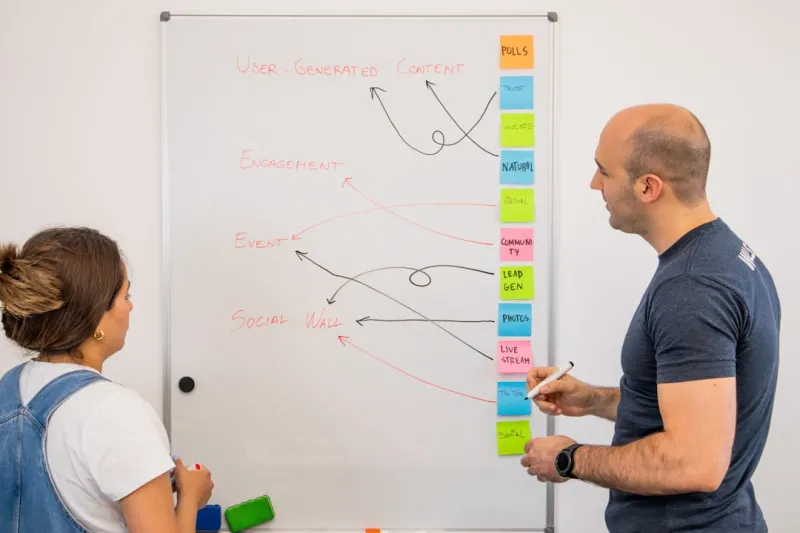
Human‑Centric Social Strategy: Turning Talk into Conversions
A deep dive into how human‑centric social tactics transform casual talks into measurable conversions, fostering authentic engagement and lasting brand trust....Read More

Why Authenticity and AI Are Redefining Digital Marketing in 2026
In 2026, marketers blend AI scalability with genuine human storytelling to master SEO, link building, and authentic social media growth....Read More

Community‑First Link Building: Turning Real Relationships into SEO Gold
Learn how to shift from outbound link spam to community‑driven outreach that builds genuine authority, drives qualified traffic, and future‑proofs your SEO....Read More
0 Comments
Post Comment
You will need to Login or Register to comment on this post!