

Why “Keyword‑Centric” SEO Is Losing Its Edge for SaaS
When I first started writing SEO copy for SaaS products, the rulebook was simple: research high‑volume keywords, sprinkle them across landing pages, and pray the search bots would reward you with rankings. That playbook still works for a baseline level of visibility, but it’s increasingly blind to the way modern buyers research, compare, and decide on software solutions.
Today’s searchers aren’t just typing “CRM software” into a box; they’re asking “How can I automate my sales pipeline without losing data integrity?” or “What’s the cheapest way to integrate email marketing with my existing ERP?” The shift from short‑term keyword intent to deep, problem‑oriented queries is redefining what SEO success looks like for SaaS.
The Evolution of Search Intent: From Transactional to Problem‑Solving
Google’s algorithm updates over the past few years have placed search intent at the core of ranking signals. The search engine now rewards content that directly satisfies a user’s underlying need, not just the literal phrase they typed. For SaaS marketers, this means moving away from a “keyword‑first” mindset and adopting an intent‑first approach.
- Transactional intent—the classic “buy X now” query—still matters for bottom‑of‑funnel pages.
- Informational intent—questions like “What is churn rate and how do I reduce it?”—captures prospects in the awareness stage.
- Comparative intent—phrases such as “HubSpot vs. Marketo pricing”—targets users evaluating multiple options.
- Problem‑solving intent—the new heavyweight, exemplified by “How do I automate lead scoring without a data scientist?”—draws in users seeking a solution, not a product name.
When you map your content strategy to these intent categories, you unlock a more natural path for prospects to travel from curiosity to conversion.
Building an Intent‑First Content Framework
Here’s a step‑by‑step process I use with my SaaS clients to restructure their SEO strategy around intent:
- Audit your existing content for intent gaps. Pull a list of your top‑performing pages and tag each with the primary intent it serves. You’ll quickly see clusters of transactional pages but a scarcity of problem‑solving pieces.
- Research real‑world questions. Use tools like AnswerThePublic, Reddit, and industry forums to capture the language prospects actually use when describing their challenges.
- Cluster content around problem statements. Instead of a “keyword silo,” create semantic clusters that revolve around a core problem, with sub‑pages that explore causes, solutions, and case studies.
- Design a content hierarchy that mirrors the buyer’s journey. Top‑of‑the‑funnel posts answer broad questions, mid‑funnel guides dive into comparison and ROI calculations, and bottom‑funnel pages present demos, trials, and pricing.
- Optimize for featured snippets and “People also ask”. These SERP elements often surface problem‑solving answers directly, giving you visibility even before a click.
Leveraging Structured Data to Signal Intent
Structured data isn’t just for e‑commerce products; it can dramatically enhance a SaaS site’s ability to communicate intent to search engines. Implementing FAQPage and HowTo schema on problem‑solving articles tells Google that you’re answering specific questions, increasing the odds of appearing in rich results.
Beyond the obvious benefits, schema helps Google understand the relationship between your content pieces. For example, a “How to reduce churn” guide can be linked via ItemList to related “Churn analytics dashboard” and “Customer health score” pages, creating a web of context that boosts overall authority.
Re‑thinking Link Acquisition: Authority From Solution‑Centric Sites
Traditional link‑building still matters, but the source of those links should shift. Instead of hunting for any high‑DA site, target publications, forums, and communities where your prospects discuss their pain points. When you create a deep, solution‑rich guide, those sites naturally want to reference you as an authority.
For example, a thorough post on “Automating SaaS onboarding without coding” can earn backlinks from developer blogs, HR tech newsletters, and even niche sub‑reddits. The key is to make your content the go‑to answer for a specific problem.
In practice, I encourage my teams to use a data‑driven playbook that identifies high‑intent domains, tracks outreach, and measures the impact on problem‑solving queries.
Measuring Success: Intent‑Based SEO KPIs
Switching to an intent‑first strategy also means revamping your metrics. Traditional SEO KPIs—organic traffic and keyword rankings—remain useful, but they don’t tell the whole story. Add these intent‑focused measurements to your dashboard:
- Intent‑specific organic CTR. Segment click‑through rates by the intent tag you assigned during the audit. A rise in informational CTR signals stronger top‑of‑funnel resonance.
- Engagement depth. Track average time on page and scroll depth for problem‑solving articles. Longer sessions indicate that users find the answer they needed.
- Conversion path influence. Use assisted conversions in Google Analytics to see how problem‑solving pages contribute to downstream sign‑ups or demo requests.
- Rich result impressions. Monitor impressions for FAQ and HowTo schema to gauge how often Google is pulling your content directly into SERP features.
By aligning your KPI suite with intent, you’ll spot opportunities to refine content, improve internal linking, and prioritize high‑impact pages.
Case Study: Turning a “Feature” Page into a Problem Solver
One of my SaaS clients—an employee engagement platform—had a robust “Pulse Survey” feature page that attracted 2,000 monthly visitors but a conversion rate of < 1%. We rewrote the page to address the underlying problem: “How can remote teams stay aligned and motivated?” The new page included:
- A compelling narrative that framed the feature as a solution to isolation.
- Embedded
FAQPageschema answering common concerns. - Links to a downloadable “Remote Team Playbook” and a video case study.
Within six weeks, organic traffic to the page grew 45%, and the conversion rate jumped to 4.2%. The page also earned backlinks from remote‑work newsletters, further amplifying its authority.
Practical Tips to Jump‑Start Your Intent‑First SEO
Ready to pivot? Here are five quick actions you can take today:
- Map existing URLs to intent. Open a spreadsheet, list each page, and assign one of the four intent categories.
- Identify high‑volume problem queries. Use Google Trends and “People also ask” to discover the exact phrasing prospects use.
- Apply schema to top problem pages. Add
FAQPageorHowTomarkup to boost snippet chances. - Create a “Problem Hub”. Design a pillar page that aggregates all solutions for a specific pain point, linking out to in‑depth articles.
- Track intent metrics. Set up custom dimensions in Google Analytics to capture intent tags and monitor performance.
Looking Ahead: Intent Will Only Grow Smarter
Search engines are getting better at interpreting user intent through AI and natural language processing. As they continue to evolve, the gap between “keyword‑centric” and “intent‑centric” SEO will widen. SaaS marketers who invest now in problem‑solving content, structured data, and intent‑based measurement will not only secure higher rankings but also build deeper, trust‑based relationships with prospects.
In short, stop chasing the perfect keyword and start solving the right problem. When you align your SEO strategy with the real questions your audience is asking, you’ll turn search traffic into a genuine growth engine.

Paula Wright writes from her home in Toronto Ontario, where she lives with her husband, Steve, and their two children. Driven by curiosity and a passion for storytelling, Paula loves to uncover the "why" and "how" behind every topic she covers. Her writing is fueled by her adventures; when she’s not at her desk, you’ll find her out on the road, camping under the stars, or wandering a new trail. Paula brings a sense of discovery and a fresh, real-world perspective to everything she writes for us.
Related Posts

Mastering 2024 SEO: Rose DesRochers’ Blueprint for Ranking, Authority, and Conversions
Rose DesRochers reveals a 2024 SEO playbook that blends technical health, sustainable link building,... Read More

Zero‑Click Search: How SaaS Brands Can Win Without Clicks
Zero‑click search is reshaping SEO. Discover a step‑by‑step strategy—semantic clustering, sc... Read More
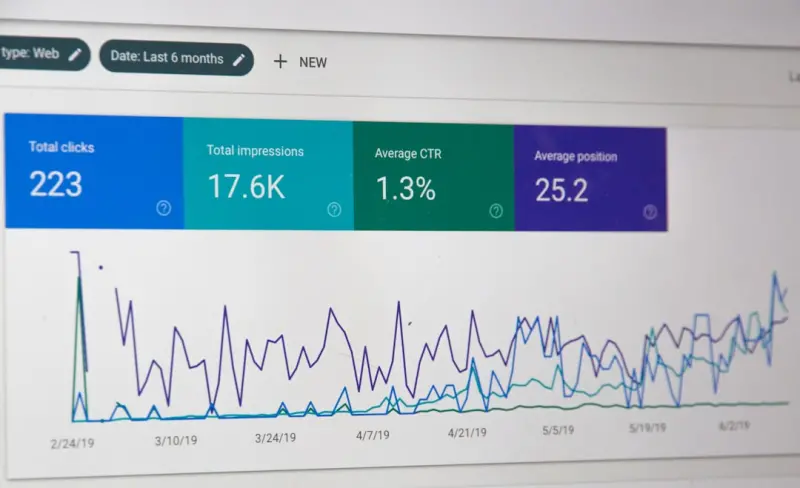
Turning Product Usage Data into a Predictive SEO Engine
Learn how to transform internal search queries, feature adoption metrics, and support tickets into a... Read More
Top Posts
Predictive Personalization: AI’s New Playbook for SaaS Marketers
Predictive personalization uses first‑party data and AI models to anticipate buyer intent, delivering dynamic, privacy‑safe experiences across channels and ...Read More

The Future of Social Media Marketing: How to Stay Ahead in a Rapidly Changing Landscape
The social media marketing landscape is constantly evolving. Stay ahead of the competition by leveraging the latest trends, technologies, and best practices to ...Read More

How Semantic Topic Mapping Can Future‑Proof Your Google SEO
Discover a fresh SEO approach: using semantic topic maps to align content with user intent, enhance Knowledge Graph signals, and stay ahead of Google’s evolvi...Read More

Zero‑Click SERPs: How SaaS Marketers Can Win When Users Don’t Click
In the zero‑click SERP era, visibility replaces clicks as the primary growth driver for SaaS. This guide explains why zero‑click matters, how to structure c...Read More
0 Comments
Post Comment
You will need to Login or Register to comment on this post!