
Local SEO has stopped being a static checklist of citations and keywords; it’s now a living conversation with the people who actually walk through your doors, and that conversation starts with a mindset shift toward genuine empathy. When I first began consulting small businesses, I treated every optimization as a transaction, but I quickly learned that the most sustainable rankings come from listening to the hopes, frustrations, and everyday language of the neighborhood, which means crafting signals that feel less like corporate noise and more like a friendly recommendation from a neighbor you trust. By embracing that human‑centric perspective, you not only satisfy Google’s evolving algorithms but also create a magnetic pull that turns casual browsers into loyal patrons who champion your brand on their own terms.
Why Empathy Is the Secret Sauce for Neighborhood Success
In the age of hyper‑personalized search results, Google rewards businesses that demonstrate a clear understanding of local intent, and that’s where the concept of Why Human‑Centric Local SEO Is the Secret Sauce for Neighborhood Success becomes more than a catchy headline—it becomes a strategic imperative. By mapping the literal streets of your community onto the digital map of search intent, you can align your GMB description, service areas, and even your schema markup with the everyday phrases people actually use, such as “best coffee shop on Main Street” or “family‑friendly dentist near the park,” which dramatically improves relevance and click‑through rates. This empathetic alignment also reduces bounce rates because visitors instantly recognize that you speak their language, a signal that search engines interpret as a strong indicator of quality and authority.
Building a Neighborhood Presence That Resonates
The cornerstone of any thriving local SEO strategy is a robust Google Business Profile, but filling it with generic information is akin to handing out business cards without a smile; you must inject personality, community involvement, and timely updates that reflect the pulse of the area. Start by posting weekly updates that highlight local events, seasonal promotions, or behind‑the‑scenes moments—think of it as your digital storefront window, inviting passersby to peek inside and feel a sense of belonging; these posts not only engage users but also provide fresh content signals that Google crawls and rewards. Additionally, encourage satisfied customers to leave detailed reviews that mention specific experiences, because authentic testimonials serve as social proof that resonates deeply with both search algorithms and future customers.
Crafting Empathetic Content That Converts
When it comes to on‑page content, the goal is to answer the questions your neighbors are asking in a tone that feels conversational rather than corporate, and that philosophy is at the heart of Empathy‑Powered Local SEO: Winning Your Neighborhood Market. Conduct a hyper‑local keyword audit by scanning community forums, social media groups, and local news sites to capture the vernacular that truly reflects your audience’s concerns—terms like “dog‑friendly patio” or “late‑night pickup” often go unnoticed in broader research but can be the differentiators that drive foot traffic; once identified, weave these phrases naturally into your service pages, blog posts, and FAQs. Remember to structure your content with clear headings, concise paragraphs, and compelling calls to action that guide readers toward the next step, whether that’s scheduling an appointment, signing up for a newsletter, or simply visiting your storefront.
Leveraging Mobile & Voice Search for the On‑The‑Go Consumer
Mobile usage dominates local searches, and voice assistants have turned “near me” queries into a daily habit, meaning your SEO must be optimized for quick, bite‑sized answers that devices can read aloud without hesitation. Prioritize schema markup for opening hours, address, and phone number, and ensure that these details are consistent across all online directories; inconsistencies can confuse both users and search engines, leading to lost clicks and lower rankings. Moreover, create a concise “FAQ” section that directly addresses common voice queries—think of statements like “What are the best brunch spots open now?”—and format the answers in a straightforward, conversational tone that matches how a person would naturally ask a neighbor.
Turning Data into Community Conversations
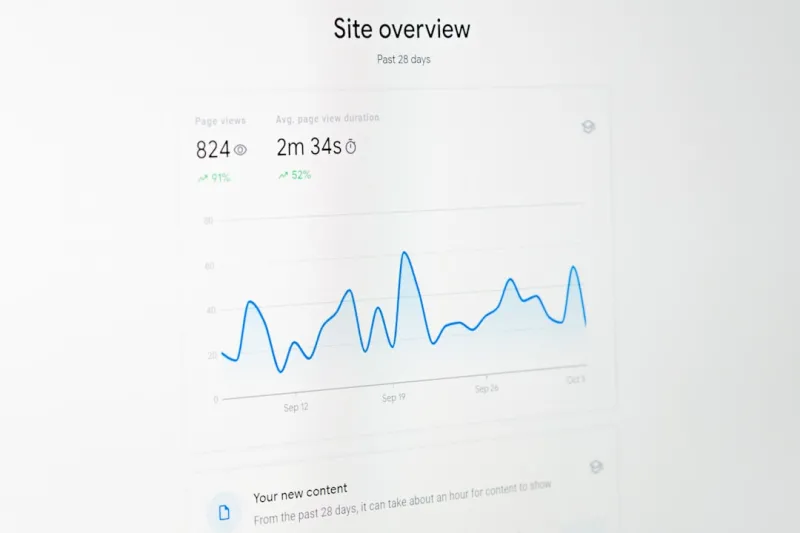
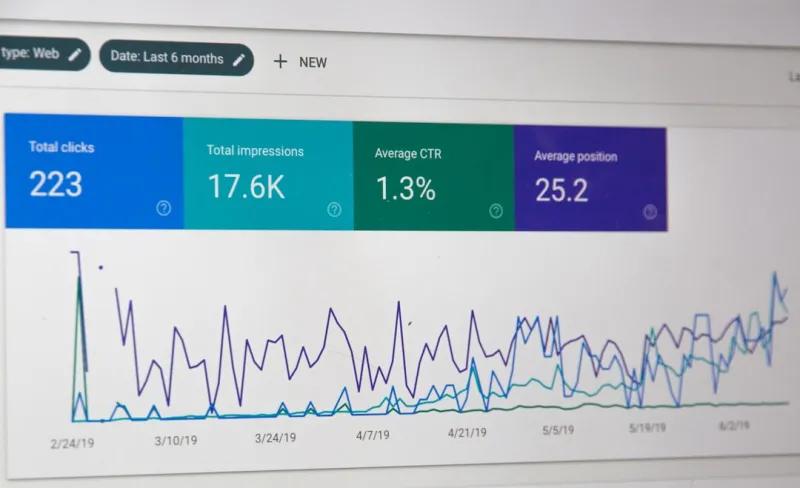
Analytics are not just numbers; they are narratives about how your community interacts with your brand, and interpreting them through an empathetic lens can reveal hidden opportunities for growth. Dive into Google Search Console to identify the exact phrases that bring users to your site, then cross‑reference those with your internal data to spot gaps—perhaps you’re ranking for “organic bakery” but lacking a dedicated landing page that showcases your gluten‑free options, a missed chance to serve a niche audience; by filling those gaps, you signal to Google that you’re the definitive source for those topics. Combine this insight with social listening tools to gauge sentiment around local events or seasonal trends, then tailor your content calendar to align with those conversations, ensuring that each new post feels timely, relevant, and deeply rooted in community interest.
Human‑Centric Link Building That Sticks
Traditional link building often feels like cold outreach, but when you approach it with a genuine desire to add value to fellow local businesses, the results are far more durable and meaningful. Start by identifying complementary neighbors—like a boutique coffee shop linking to a nearby bakery for pastry pairings—and propose collaborative blog posts, joint promotions, or co‑hosted events that naturally generate backlinks and mutual traffic; these partnerships not only boost your domain authority but also reinforce a sense of community that resonates with search engines increasingly tuned to human‑centric signals. Remember to keep the outreach personal: reference a recent event you attended at their venue, highlight a specific product you love, and clearly explain how the partnership benefits both parties, turning a simple link request into a genuine relationship.
Putting It All Together: A Roadmap for Empathetic Local Dominance
To translate empathy into measurable rankings, create a quarterly action plan that blends the technical, creative, and relational elements discussed—optimize your GMB profile, publish hyper‑local content, audit schema, engage in community link building, and continuously monitor user behavior for iterative improvements; each component reinforces the others, forming a cohesive ecosystem that signals to Google you’re the go‑to authority for your neighborhood. As you implement these strategies, keep the focus on listening first and optimizing second, because the most powerful SEO outcomes arise when you treat every search query as a conversation starter, not a mere data point; this human‑first approach not only drives traffic but also cultivates brand advocates who will champion your business long after the algorithm updates roll out.

When it comes to the world of blogging and writing, Rose DesRochers is a name that stands out. Her passion for creating quality content and connecting with her audience has made her a trusted voice in the industry. Aside from her skills as a writer and blogger, Rose is also known for her compassionate nature.
Related Posts
The Importance of Local SEO: Why Your Business Can't Afford to Ignore It
Local SEO is a critical component of any successful online marketing strategy. Learn how to optimize... Read More

Hyper‑Local Partnerships: The Untapped Power of Neighborhood SEO
Jessica Hall explains why collaborating with trusted local businesses, using micro‑location schema... Read More

Hyperlocal SERP Mastery: Winning the 5‑Mile Radius Game
A fresh playbook reveals how hyperlocal SERP features, real‑time inventory feeds, and community‑... Read More
Top Posts

Link Building in 2026: The Human‑Centric Playbook That Beats Algorithms
A 2026 guide to link building that swaps mass outreach for genuine connections, data‑driven assets, and AI‑assisted yet human‑focused tactics....Read More
Why Employee Advocacy Is the Missing Link in Your SaaS Social Strategy
A deep dive into turning your team into brand ambassadors, covering culture, content, technology, measurement, and incentives to power a sustainable SaaS social...Read More

Personalized Link Building: Turning Data Into High‑Authority Backlinks for SaaS
Discover a data‑centric approach to link building that replaces generic outreach with personalized, metric‑backed pitches, delivering higher response rates ...Read More

Omnichannel Attribution: The Missing Link in SaaS Digital Marketing
Discover how omnichannel attribution stitches together every touchpoint in a SaaS buyer’s journey, revealing true channel impact, optimizing spend, and drivin...Read More
0 Comments
Post Comment
You will need to Login or Register to comment on this post!