
The Untapped Power of Original Data Reports for Link Building
When I first started experimenting with link building, I treated it like a game of “who can get the most guest posts.” Years later, the strategy has evolved into something more scientific—data‑driven partnership building. In the SaaS world, we sit on a gold mine of usage metrics, churn rates, activation funnels, and feature adoption stats. When we transform those numbers into a polished benchmark report, we create a piece of content that not only educates the market but also attracts natural, high‑quality backlinks.
Why Original Data Beats Content Curation Every Time
Search engines and editors alike crave fresh, authoritative information. A curated list of existing articles is useful, but it doesn’t provide new value. Original data, on the other hand, offers:
- Uniqueness: No one else can claim the exact numbers you’ve gathered.
- Credibility: Real‑world metrics from a live SaaS product demonstrate expertise.
- Shareability: Journalists and bloggers love quoting precise figures for their stories.
Because of these factors, a well‑crafted benchmark report becomes a link magnet without the need for aggressive outreach.
Step‑by‑Step Blueprint for Turning Metrics into Link‑Worthy Reports
1. Identify a High‑Impact Topic
The first decision is choosing a subject that resonates with your target audience and fills a knowledge gap. Look for recurring questions in support tickets, sales demos, or community forums. For example, “What is the average time‑to‑value for B2B SaaS products in 202X?” is a question many prospects ask but rarely see answered with real data.
2. Design a Robust Research Methodology
Data integrity is non‑negotiable. Follow these best practices:
- Define clear inclusion criteria (e.g., only customers with a minimum of three months usage).
- Segment by relevant dimensions—company size, industry vertical, or pricing tier.
- Use statistical significance testing where appropriate to avoid cherry‑picking outliers.
When you’re done, you’ll have a dataset that can stand up to scrutiny from editors at major publications.
3. Craft the Report with a Journalist’s Eye
Even though the data is yours, the storytelling should feel like a newsroom piece. Include:
- A compelling headline that highlights the key finding.
- A concise executive summary for quick skimming.
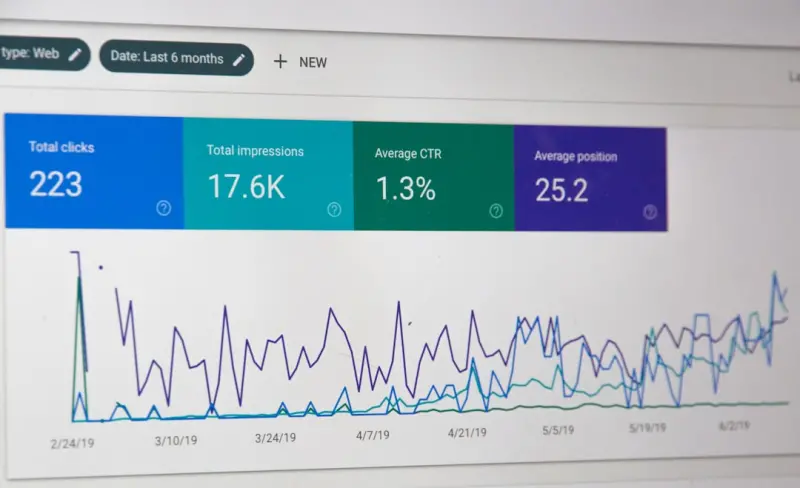
- Visually appealing charts and infographics (keep them data‑rich and easy to embed).
- Actionable takeaways that help readers apply the insights.
Remember, the goal is to make it as simple as possible for another site to reference your numbers with a single line of copy.
4. Leverage Existing Relationships for Distribution
Before you go cold‑outreach, tap into your internal network:
- Product teams: They can help validate the methodology and add credibility.
- Customer success managers: They often know which clients are eager to be featured.
- Marketing automation tools: Use them to blast a personalized email to journalists, analysts, and industry influencers.
When you have a strong internal champion, the outreach email transforms from “please link to us” to “here’s an exclusive insight you can use tomorrow.”
5. Execute a Targeted Outreach Campaign
Craft a short, value‑first pitch. Highlight:
- Why the data matters to the recipient’s audience.
- The specific statistic that would enrich their upcoming article.
- A ready‑to‑use embed code for charts, making the linking process frictionless.
Personalization is key. Reference a recent piece they wrote and explain how your data complements it. If you’re lucky, you’ll receive a quick “yes” and a backlink within days.
6. Amplify Through Social Proof
Once the first few backlinks appear, showcase them on your site’s “Press” or “Resources” page. This social proof encourages additional sites to link, creating a virtuous cycle. You can also embed a “Featured In” carousel on relevant landing pages to boost conversion rates.
Measuring Success: Metrics That Matter
Track the impact of your benchmark report with the following KPIs:
- Referral traffic: Identify which domains are driving clicks.
- Domain Authority (DA) of linking sites: Aim for a mix of high‑DA publications and niche blogs.
- Conversion lift: Compare lead generation rates before and after the report launch.
- Organic keyword rankings: Monitor improvements for keywords related to the report’s topic.
In my experience, a single well‑executed data report can generate 10–15 high‑quality backlinks within the first month, often surpassing the results of a month‑long guest‑post campaign.
Common Pitfalls and How to Avoid Them
Even seasoned marketers stumble when attempting data‑centric link building. Here’s a quick cheat sheet:
- Over‑complicating the data: Keep visuals clean; too many variables overwhelm readers.
- Neglecting attribution: Clearly state the source and methodology to prevent credibility gaps.
- Ignoring SEO fundamentals: Optimize the report page with target keywords, meta tags, and schema markup.
- Failing to follow up: After an initial outreach, send a courteous reminder if you haven’t heard back within a week.
Integrating Data Reports with Other Link‑Building Tactics
Original research doesn’t have to exist in a vacuum. It can amplify other strategies you may already be using:
- Integration‑first link building can reference your benchmark as proof of market demand.
- When you turn customer success stories into high‑authority backlinks, embed relevant benchmark figures to add depth.
- Use snippets from the report in guest posts or podcasts to create multiple backlink vectors.
Case Study: How a SaaS Pricing Benchmark Drove 12 New Backlinks in 30 Days
One of our product teams compiled a pricing analysis across 200 B2B SaaS platforms, revealing that the average subscription price has risen 7% year‑over‑year. The report included an interactive chart, a downloadable CSV, and a concise executive summary.
Outreach highlights:
- Personalized emails sent to 45 journalists covering SaaS trends.
- A one‑pager offering the chart as an embed code.
- Follow‑up calls with three industry analysts who referenced the data in their quarterly outlook.
Results:
- 12 new backlinks from publications with DA ≥ 70.
- 3,400 referral visits in the first two weeks.
- A 22% uplift in demo requests for the pricing calculator feature.
This case proves that a single, well‑researched data piece can become a cornerstone of your link‑building portfolio.
Putting It All Together: Your Action Plan
Ready to turn your SaaS metrics into a backlink engine? Follow this checklist:
- Pinpoint a high‑interest, data‑driven topic.
- Design a transparent research methodology.
- Create a journalist‑style report with visual assets.
- Leverage internal champions for early distribution.
- Execute a personalized outreach campaign.
- Track referral traffic, DA of linking sites, and conversion lift.
- Iterate—use the insights to refine the next report.
By making data the centerpiece of your link‑building efforts, you not only earn backlinks but also position your brand as the go‑to authority in your niche.
Final Thoughts
Link building doesn’t have to be a scavenger hunt for low‑effort guest posts. When you harness the power of original, actionable data, you create a self‑sustaining ecosystem where content fuels links, and links amplify content. In the competitive SaaS landscape, that synergy can be the difference between being a background player and becoming the industry benchmark.

William Roy is a freelance writer originally from Montreal who moved to Ottawa with his wife of 50 years to be closer to their grandkids. Alongside his writing, William has a passion for fishing.
Related Posts

Turning Customer Success Stories into High‑Authority Backlinks
Discover a fresh link‑building strategy that leverages authentic customer success stories, turning... Read More

Interactive Content as the New Link‑Building Engine
Discover how interactive quizzes, calculators, and maps can become powerful link magnets, driving or... Read More

The Hidden Power of Interactive Tools for Sustainable Link Building
Explore why interactive assets like calculators and quizzes are the new frontier in link building, o... Read More
Top Posts

Mobile SEO Tactics SaaS Teams Overlook
A practical guide for SaaS teams to master mobile SEO, covering Core Web Vitals, deep linking, mobile‑first content, schema markup, and a 30‑day action plan...Read More
Zero-Click SEO: Turning Snippets into SaaS Leads
This post reveals a step‑by‑step strategy for SaaS marketers to win zero‑click real estate—featured snippets, knowledge panels, and more—by crafting c...Read More

The Hyper‑Local Playbook: Turning Neighborhood Searches into SaaS Leads
A fresh, actionable guide shows SaaS marketers how to harness hyper‑localized content, Google Business Profile optimization, community partnerships, and zeroâ...Read More

Micro‑Moment Marketing: Capturing Real‑Time Intent for Digital Success
Discover how micro‑moments reshape digital marketing and how agile, mobile‑first tactics can capture real‑time intent for sustainable brand growth....Read More
0 Comments
Post Comment
You will need to Login or Register to comment on this post!