
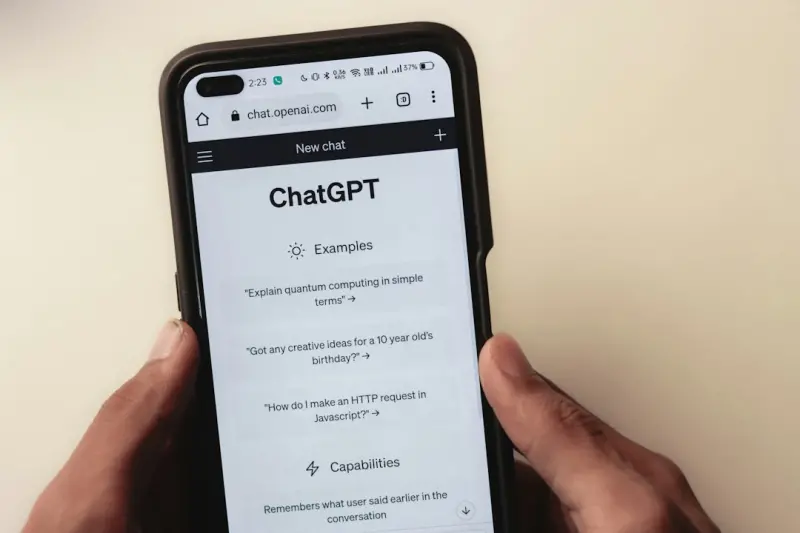
Conversational Marketing: Turning AI Chatbots into B2B Revenue Engines
When I first walked into a conference room and heard a sales rep brag about a chatbot that closed a $250K deal, I thought, “Great, another gimmick.” Fast‑forward a few months, and that same chatbot is now the first point of contact for 30% of my inbound leads, qualifying, nurturing, and even scheduling demos before I’ve had my coffee. The secret sauce? Not just AI for AI’s sake, but a strategic blend of conversational design, data‑driven insights, and human empathy.
Why Conversational Marketing Is No Longer Optional
Traditional lead‑gen funnels are built on static forms and long‑handed email drips. They assume a prospect will sit patiently, read a whitepaper, and then decide to engage. In reality, prospects are busy, distracted, and—thanks to the rise of instant messaging—expect instant answers. If your brand can’t meet that expectation, you’ll watch the conversation slip to a competitor who can.
Conversational marketing flips the script. Instead of waiting for a prospect to fill out a form, you meet them where they are: on your website, in a messaging app, or even on a voice‑enabled device. The chatbot becomes a dynamic, 24/7 sales associate that can:
- Qualify leads in real time using intent signals.
- Deliver hyper‑personalized content based on the visitor’s behavior.
- Route high‑value prospects straight to a human rep, reducing friction.
- Collect consent‑compliant data for future nurturing.
All of this happens without the prospect ever having to type a single word into a form.
The Core Pillars of a High‑Performance B2B Chatbot
Building a chatbot that actually drives revenue isn’t about slapping together a few canned responses. It requires three foundational pillars:
1. Intent‑First Conversation Flow
Every interaction should start with an intent detection layer. By analyzing the visitor’s URL, referral source, and on‑page behavior, the bot can surface the most relevant question first. For example, a visitor who lands on a pricing page is probably ready for a quote, while someone reading a case study may be looking for ROI data.
Leverage intent data not just to personalize the chat, but also to inform the rest of your marketing stack. The same signals can power Privacy‑First Personalization across email, retargeting, and ABM campaigns.
2. Human‑Centric Design
Chatbots that sound like robots are quickly abandoned. The voice, tone, and language need to mirror your brand’s personality while staying concise. Think of the bot as an extension of your best sales rep—friendly, knowledgeable, and respectful of the prospect’s time.
In practice, this means:
- Offering quick‑reply buttons for common queries.
- Providing an easy “talk to a human” escape hatch.
- Using progressive disclosure: reveal details only as the prospect asks for them.
3. Data‑Backed Continuous Improvement
Unlike static landing pages, chatbots generate a wealth of interaction data: question frequency, drop‑off points, sentiment scores, and more. Use this data to:
- Refine the conversation tree every month.
- Identify knowledge gaps in your product messaging.
- Train your sales team on emerging objections before they become widespread.
Think of your bot as a living knowledge base that evolves alongside your market.
Choosing the Right Platform: Build vs. Buy
There’s a spectrum of options, from low‑code builders (like ManyChat or Drift) to fully custom AI solutions powered by large language models (LLMs). Your decision hinges on three factors:
- Complexity of Your Offering – If you sell a multi‑module SaaS platform, a custom solution that can pull real‑time data from your product API is worth the investment.
- Scalability Needs – High‑volume inbound sites need robust infrastructure that can handle spikes without latency.
- Compliance Requirements – B2B buyers often demand GDPR‑compliant data handling. Choose a platform that offers granular consent controls and audit logs.
For many mid‑market SaaS companies, a hybrid approach works best: start with a reputable low‑code platform for rapid deployment, then layer in custom APIs for product‑specific queries.
Integrating Conversational Data Into Your ABM Playbook
ABM (Account‑Based Marketing) is all about delivering the right message to the right stakeholder at the right time. Chatbot interactions are a goldmine of account‑level insights:
- Stakeholder Identification – If a VP of Finance asks about ROI calculators, you now know finance is a key buyer persona for that account.
- Buying Stage Signals – Repeated pricing inquiries indicate a move from consideration to evaluation.
- Content Gaps – If prospects consistently ask about a feature you haven’t documented, that’s a cue to create targeted assets.
Feed these signals into your CRM and marketing automation tools to trigger hyper‑personalized email sequences, LinkedIn retargeting, or even direct outreach from an Account Executive.
Measuring Success: Metrics That Matter
Traditional marketing KPIs—click‑through rate, bounce rate, CPL—still matter, but conversational marketing introduces a fresh set of metrics:
- Conversation Completion Rate – The percentage of chats that reach a defined goal (e.g., booked demo, qualified lead).
- Average Handling Time – How quickly the bot resolves a query without human escalation.
- Sentiment Score – AI‑driven analysis of prospect tone, flagging negative experiences early.
- Lead Velocity Rate – The speed at which chatbot‑qualified leads move through the pipeline compared to form‑based leads.
Track these alongside revenue‑attributable metrics to prove ROI.
Real‑World Example: From Chatbot to Closed Deal
Let’s walk through a fictional yet plausible scenario that mirrors many of my clients’ journeys:
- Discovery – A mid‑size tech firm lands on the pricing page and triggers the bot’s “pricing‑inquiry” flow.
- Qualification – The bot asks a few quick questions (company size, primary use case) and flags the lead as “Enterprise – High Intent.”
- Personalization – Based on the answers, the bot shares a custom ROI calculator and a case study relevant to the prospect’s industry.
- Escalation – The prospect clicks “Talk to a Human,” and the bot instantly schedules a demo with the appropriate solution engineer, adding the conversation transcript to the CRM.
- Follow‑Up – After the demo, the sales rep uses the chatbot transcript to reference specific pain points discussed, reinforcing the tailored approach.
- Close – The prospect signs a contract, citing the “instant, personalized experience” as a key factor.
This end‑to‑end flow reduced the time from first touch to close by 30%, while also delivering a richer data set for future marketing initiatives.
Future‑Proofing Your Conversational Strategy
AI is evolving at breakneck speed. Here’s how to keep your chatbot relevant:
- Multi‑Channel Presence – Extend the bot to LinkedIn Messaging, WhatsApp Business, and even voice assistants like Alexa for B2B.
- Generative AI Enhancements – Use large language models to generate dynamic answers for niche product queries, but always keep a human review loop to maintain accuracy.
- Integration With Knowledge Bases – Sync the bot with your internal wiki so it can pull the latest product updates instantly.
- Privacy‑Centric Architecture – As regulations tighten, make sure your bot’s data collection follows best‑in‑class privacy practices, echoing the principles of Social Storytelling that respect user trust.
Getting Started: A 5‑Step Playbook
- Audit Existing Touchpoints – Identify high‑traffic pages where a bot could add value.
- Define Success Metrics – Choose 3–4 conversational KPIs aligned with revenue goals.
- Choose a Platform – Start with a low‑code solution that supports API integrations.
- Design Intent‑Driven Flows – Map out conversation trees based on visitor intent signals.
- Launch, Monitor, Iterate – Use the data collected to refine flows monthly, and integrate insights back into your broader marketing stack.
Remember, the goal isn’t to replace human salespeople; it’s to amplify their efficiency, surface the right prospects faster, and deliver an experience that feels personal at scale.
Wrapping Up: The Human Edge in an AI‑Driven World
Conversational marketing is the bridge between the cold efficiency of automation and the warm nuance of human interaction. When built thoughtfully, chatbots become more than a novelty—they become a strategic revenue engine that feeds data back into every other marketing channel, from email to ABM.
If you’ve been on the fence about investing in AI chat, consider this: every minute a prospect spends waiting for an answer is a minute they could be spending with a competitor. In a B2B landscape where buying cycles are long and stakes are high, those minutes add up fast.
So, fire up your chatbot, give it a voice that sounds like your brand, and start listening. The conversations you capture today will shape the revenue you close tomorrow.

Brandy Miller is a dynamic freelance writer based in the vibrant city of Cambridge, Ontario. With a passion for storytelling that knows no bounds, she crafts compelling narratives that captivate and inspire. Brandy’s love for writing shines through in her versatile work, whether she’s penning thought-provoking articles or engaging content that resonates with readers. Her unique perspective and friendly tone make her a sought-after voice in the writing community. When she’s not weaving words together, you can find her exploring the beautiful landscapes of Ontario, always seeking new adventures and inspiration for her next piece. Brandy is not just a writer; she’s a creative force, making her mark one word at a time.
Related Posts

The Future of Digital Marketing: Trends to Watch
The digital marketing landscape is constantly evolving. Stay ahead of the curve with the latest tren... Read More

Zero‑Party Data: The Trust‑First Strategy Marketers Can’t Ignore
Zero‑party data lets customers voluntarily share preferences, creating authentic, trust‑based ma... Read More

Micro‑Moment Marketing: Capturing Real‑Time Intent for Digital Success
Discover how micro‑moments reshape digital marketing and how agile, mobile‑first tactics can cap... Read More
Top Posts
Turning Data into Links: A Research‑Centric Blueprint for Modern SEO
Explore how publishing original data, partnering with academia, and leveraging AI can transform your link‑building game into a sustainable, authority‑drivin...Read More

How Real‑Time Social Listening Fuels SaaS Growth
Social listening isn’t just brand monitoring—it’s a real‑time feedback engine. Learn how SaaS teams can turn everyday conversations on Twitter, LinkedIn...Read More

The Evolution of Technical SEO: Navigating the Ever-Changing Landscape
The world of technical SEO is constantly evolving. Stay up-to-date with the latest trends and best practices to ensure your website remains visible and competit...Read More

Voice Shopping: The Silent Revolution Redefining Online Retail
Voice shopping is more than a novelty; it's a transformative channel that removes friction and creates conversational commerce. This post explores the technical...Read More
0 Comments
Post Comment
You will need to Login or Register to comment on this post!