
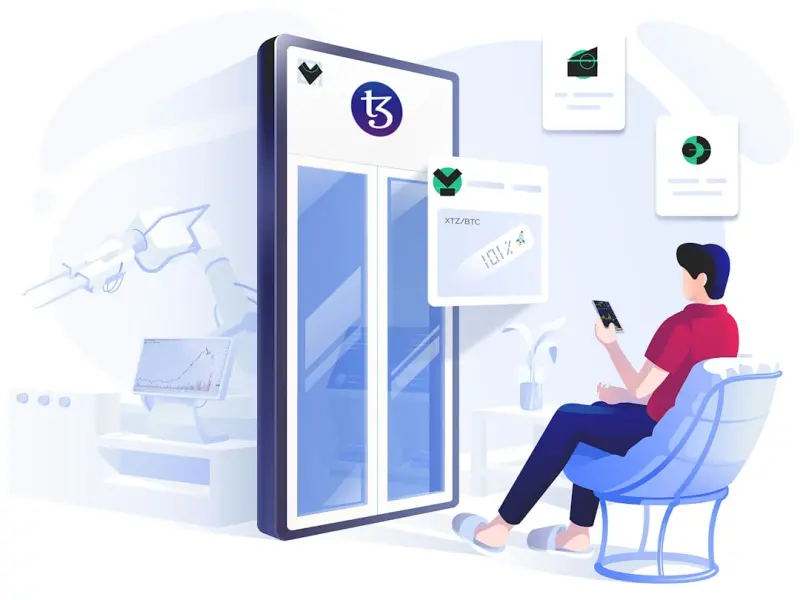
Why Conversational Commerce Is the Next Frontier for SaaS Marketing
When I first stepped into the SaaS world, the buzz was all about content clusters, AI‑driven keyword research, and the endless chase for backlinks. Those tactics still matter, but the market is shifting. Today, buyers are spending more time in messaging apps than on traditional web browsers. If your brand isn’t speaking the same language, you’re leaving a massive revenue stream on the table.
From Chatbots to Full‑Blown Commerce: The Evolution
Conversational commerce isn’t a brand‑new term—it’s been whispered in e‑commerce circles for a while. What’s different for SaaS is the maturity of the product lifecycle. Instead of a one‑time purchase, SaaS thrives on recurring revenue, trial‑to‑paid conversion, and upsell opportunities. A well‑orchestrated conversation can guide a prospect from curiosity to a paid seat in under ten minutes.
Here’s the rough anatomy of a modern conversational funnel:
- Discovery: A prospect sees a LinkedIn post, a tweet, or a referral and clicks a “Chat with Us” button.
- Qualification: A bot asks a few targeted questions (team size, current stack, pain points) and instantly scores the lead.
- Demo Scheduling: The conversation hands off to a live rep or a calendar link, eliminating the classic “back‑and‑forth email” loop.
- Onboarding & Support: Post‑sale, the same channel can deliver onboarding tips, usage nudges, and renewal reminders.
Choosing the Right Platform: Not All Messengers Are Created Equal
It’s tempting to default to the most popular platform—WhatsApp, Facebook Messenger, or even Instagram DMs. But the right choice depends on where your target audience lives. Enterprise decision‑makers often favor Predictive SEO strategies that funnel traffic to LinkedIn or Slack. Meanwhile, SMB‑focused SaaS finds success on WhatsApp Business and Instagram Direct, where the frictionless “tap‑to‑chat” experience matches the buyer’s expectations.
Key considerations when selecting a channel:
- User Demographics: Are your prospects younger professionals who live on Instagram, or senior IT leaders who prefer email and LinkedIn?
- Compliance: Industries like finance and healthcare have strict data‑privacy rules that affect how you store and process chat transcripts.
- Integration Capability: Your chatbot should sync with your CRM, marketing automation, and product analytics platforms without a custom build.
Designing a Bot That Doesn’t Feel Like a Bot
The biggest mistake brands make is treating their chatbot like a FAQ page. People expect natural, context‑aware dialogue. Here’s how to get it right:
- Start with a Persona: Give your bot a name, tone, and backstory that align with your brand voice. For example, a fintech SaaS might use a “wise advisor” persona, while a creative collaboration tool could opt for a “playful guide.”
- Use Conditional Logic: Simple keyword matching won’t cut it. Implement branching logic that adjusts questions based on previous answers, mimicking a real human conversation.
- Human‑in‑the‑Loop: Allow seamless escalation to a live rep. A 30‑second “I’m sorry, I don’t understand” is a deal‑breaker; a swift handoff preserves trust.
- Leverage Real‑Time Data: Pull in usage metrics from your product to personalize suggestions. “I see you’ve been using our analytics dashboard weekly—would you like a deeper dive into advanced reporting?”
Content That Fuels Conversational Commerce
Every conversation needs fuel, and that fuel is content tailored for quick consumption. Think bite‑sized videos, interactive calculators, and product tours that can be embedded directly in a chat window.
One tactic that’s gaining traction is the use of interactive tools for engagement. A pricing calculator or ROI estimator can be launched with a single button press in the chat. The user receives a personalized result instantly, and the bot can then suggest the next logical step—usually a demo or trial sign‑up.
Don’t overlook the power of user‑generated content. Encourage existing customers to share short video testimonials that can be replayed on demand within the conversation. This adds social proof without the need for a separate landing page.
Measuring Success: Metrics That Matter
Traditional SaaS marketing metrics—MQLs, CAC, LTV—still apply, but conversational commerce introduces a few new KPIs:
- Conversation Completion Rate (CCR): The percentage of chats that reach a defined goal (e.g., demo booking).
- Average Response Time (ART): How quickly the bot or human rep replies. Faster is almost always better for conversion.
- Bot Deflection Rate: How many inquiries the bot resolves without human intervention, saving support costs.
- Chat‑to‑Revenue Ratio: Direct revenue generated from chat‑initiated deals versus other channels.
Integrate these metrics into your existing dashboard. If you already track social listening insights, you can cross‑reference chat topics with broader brand sentiment to spot emerging pain points.
Scaling Without Losing the Human Touch
One of the biggest fears about chatbots is the loss of personalization at scale. The solution lies in hybrid models:
- Segmented Bot Flows: Create separate conversation pathways for different buyer personas—C‑level, manager, end‑user—each with its own language and value propositions.
- Dynamic Knowledge Base: Continuously feed the bot with fresh content from your blog, case studies, and product updates. This keeps the conversation relevant without manual reprogramming.
- AI‑Assisted Human Agents: Use AI to suggest replies to live agents in real time. Agents can approve, edit, or reject the suggestion, maintaining quality while increasing speed.
Case Study: A Mid‑Size Project Management SaaS Boosts Conversions 37%
Company X launched a conversational experience on LinkedIn Messenger. Their bot asked a single qualifying question: “How many projects does your team manage weekly?” Based on the answer, the bot presented a custom ROI projection using an embedded calculator. The result? A 37 % lift in demo‑booking conversion and a 22 % reduction in cost‑per‑lead compared to paid search.
Key takeaways from their rollout:
- Start simple—one question, one value proposition.
- Iterate based on real‑time analytics; they tweaked the calculator after noticing a drop-off at the pricing step.
- Align the bot’s tone with the brand—professional yet conversational.
Common Pitfalls and How to Avoid Them
Over‑Automating. If the bot tries to handle complex objections, it will frustrate prospects. Keep the bot’s scope narrow and always provide an easy escape hatch to a human.
Neglecting Post‑Chat Follow‑Up. The conversation shouldn’t end once the chat is closed. Use the data gathered to trigger personalized email sequences or retargeting ads.
Ignoring Mobile Optimization. Most messaging occurs on mobile. Ensure your chat interface is responsive, with touch‑friendly buttons and legible fonts.
Failing to Test. A/B test bot scripts, button copy, and timing. Small changes—like swapping “Schedule a Demo” for “See It Live in 5 Minutes”—can dramatically affect conversion.
Integrating Conversational Commerce with Your Existing Stack
Most SaaS companies already have a robust stack: a CRM (HubSpot, Salesforce), a marketing automation platform, and an analytics suite. Adding a conversational layer should feel like an extension, not a replacement.
- CRM Sync: Map bot‑captured fields (company size, tech stack) to lead records. This enriches your database without manual entry.
- Marketing Automation Trigger: Set up triggers so that a bot‑qualified lead automatically enters a nurturing workflow.
- Product Analytics Integration: If your SaaS tracks user events, feed those signals back into the bot to surface relevant upsell prompts.
The Future: Voice‑Enabled Conversational Commerce
While today’s focus is on text‑based messaging, the next wave will be voice. Imagine a prospect asking an Alexa‑enabled skill, “Find me a project management tool that integrates with Slack.” The skill could respond with a tailored pitch and instantly schedule a demo via voice command. Preparing your conversational architecture now will give you a head start when voice becomes mainstream.
Getting Started: A 5‑Step Playbook
- Audit Your Audience Channels: Identify where your prospects are most active—LinkedIn, WhatsApp, Instagram, or proprietary in‑app chat.
- Define a Single High‑Impact Goal: Whether it’s demo bookings, trial sign‑ups, or support ticket deflection, keep the focus narrow for the first launch.
- Build a Persona‑Driven Bot Flow: Draft conversation scripts for each buyer persona, embedding interactive tools where appropriate.
- Integrate and Test: Connect the bot to your CRM, set up tracking for CCR and ART, and run a closed‑beta with internal users.
- Iterate and Scale: Analyze the data, refine the scripts, add more personas, and consider expanding to additional messaging platforms.
Conclusion: Conversation Is the New Conversion
In a world where attention spans shrink and inboxes overflow, a real‑time, context‑aware conversation is the most authentic way to cut through the noise. By embracing conversational commerce, SaaS marketers can turn a casual chat into a qualified lead, a delighted customer, and a brand advocate—all without sacrificing scalability.
Start small, stay human, and let the data guide your evolution. The chat window is no longer a side‑car to your marketing strategy; it’s the highway.

When it comes to the world of blogging and writing, Rose DesRochers is a name that stands out. Her passion for creating quality content and connecting with her audience has made her a trusted voice in the industry. Aside from her skills as a writer and blogger, Rose is also known for her compassionate nature.
Related Posts
How Empathy Is Redefining Digital Marketing Success
Learn why putting yourself in your audience’s shoes is the secret weapon for modern digital market... Read More

The Untapped Power of Micro‑Influencers in SaaS Digital Marketing
Micro‑influencers offer SaaS companies a high‑engagement, trust‑based channel for acquisition ... Read More
Unlocking the Power of Augmented Reality for Digital Marketing Success
Discover why augmented reality is reshaping digital marketing, learn a step‑by‑step launch plan,... Read More
Top Posts

Why Real‑Time Social Listening Is the New Brand Compass
Discover how real‑time social listening transforms everyday chatter into actionable insights, guiding product, PR, and paid strategies while building trust an...Read More
The Future of SEO: Navigating the Ever-Changing Landscape
The world of SEO is constantly evolving. Stay ahead of the curve with the latest trends and strategies to improve your website's visibility and drive traffic....Read More

Data‑Driven Link Building: A Relationship‑First Playbook for SaaS
Traditional link tactics are losing their edge. This post outlines a data‑driven, relationship‑first approach to earning high‑quality backlinks for SaaS c...Read More

Mobile SEO Trends 2024: Shawn DesRochers’ Insider Playbook for a Mobile‑First World
Shawn DesRochers breaks down the hottest mobile SEO trends of 2024, from Core Web Vitals to voice search, giving actionable steps to dominate mobile SERPs....Read More
0 Comments
Post Comment
You will need to Login or Register to comment on this post!