

Local search has taken a dramatic turn with the rise of voice assistants, and the businesses that adapt quickly will dominate the “near‑me” results that consumers hear rather than read. Voice search isn’t just a novelty; it’s reshaping how people phrase their intents, shifting from short, keyword‑rich queries to full‑sentence, conversational questions that mirror everyday speech. In this piece I’ll walk you through the tactics that turn a simple “Hey Siri, find a coffee shop near me” into a steady stream of qualified foot traffic for your storefront.
Why Voice Search Is the New Frontier for Local Visibility
When a user asks their device for a recommendation, the search engine leans heavily on proximity, relevance, and reputation, making the Google Business Profile (GBP) the centerpiece of any voice‑driven discovery. Unlike traditional text searches, voice queries tend to be longer, often beginning with “where can I…”, “what’s the best…”, or “how do I find…”, which means the underlying algorithm places a premium on natural language matching and structured data. By embracing these nuances you can position your business at the top of the spoken results, turning a fleeting audible cue into a tangible visit, especially when the assistant reads out opening hours, phone numbers, or a short description that you’ve carefully crafted.
Mapping Conversational Keywords to Your Services
Start by mining the exact phrases people use when they speak aloud about your industry; tools that capture “question” data—like AnswerThePublic or Google’s “People also ask”—reveal the full‑sentence formats that voice assistants love. Then, weave those conversational nuggets into your website copy, blog posts, and especially the FAQ section of your GBP, ensuring each sentence feels like a natural response to a spoken query. This approach not only aligns with the way users think but also feeds the algorithm the context it needs to serve your business when a user says, “Find a family‑friendly Italian restaurant that takes reservations tonight.”
Optimizing Your Google Business Profile for Voice
The GBP is the digital storefront that voice assistants read aloud, so every field must be complete, accurate, and written in a way that sounds good when spoken. Include a concise, keyword‑rich description that answers the who, what, and where, and make sure your categories precisely reflect the services you offer; a mismatch can cause the assistant to skip over you entirely. Don’t forget to upload high‑quality images and videos—voice devices now pair spoken answers with visual cues on screen, boosting credibility and increasing the likelihood of a click‑through from the user’s device.
Building FAQ Schema to Capture Voice Answers
Structured data is the secret sauce that tells search engines how to present your content in a voice‑friendly format, and the FAQ schema is the most direct route to that goal. By marking up common local questions—such as “What are your weekend hours?” or “Do you offer curbside pickup?”—you give the assistant a ready‑made answer that it can read verbatim, increasing the chance your business will be featured in the coveted “position zero” snippet that is often the voice result. Keep the questions natural, the answers concise, and update the markup regularly as your services evolve.
Leveraging Local Reviews as Voice Signals
Voice assistants trust the social proof of reviews, so a robust collection of recent, authentic feedback can boost your chances of being the spoken recommendation. Encourage customers to leave detailed reviews that mention specific services, locations, or experiences; phrases like “the staff were friendly and the espresso was perfect” become valuable lexical assets that the assistant may echo. Responding to reviews also signals activity and engagement, further strengthening your business’s authority in the eyes of the voice‑search algorithm.
Integrating Visual Search Insights for a Voice‑First Strategy
While voice and visual search seem like separate worlds, the data they generate can inform each other, especially when users switch from seeing an image to asking a spoken question. Insights from the visual search report highlight the most common product‑related queries that follow an image click, which often translate into voice queries like “Where can I buy this lamp locally?” Use those patterns to craft targeted content that satisfies both visual and spoken intents, ensuring a seamless user journey from image discovery to in‑store visit.
Measuring the Impact of Voice on Local Traffic
Traditional analytics tools don’t always capture voice‑originated visits, so augment your reporting with “direct” and “referral” traffic sources that often mask spoken queries, as well as with Google Business Insights that show how many users requested directions, called, or visited your website after hearing your listing. Set up UTM parameters on call‑to‑action links within your GBP and monitor conversion rates to gauge the ROI of your voice‑optimization efforts, adjusting your keyword strategy based on the data that shows which spoken phrases drive the most footfall.
Future‑Proofing Your Local SEO Strategy
The trajectory of voice technology points toward ever‑more contextual and personalized results, meaning businesses that embed local landmarks, cultural references, and hyper‑specific service details into their content will stay ahead of the curve. Experiment with multilingual voice optimization if you serve diverse neighborhoods, and keep an eye on emerging platforms like Amazon Alexa for Business, which are beginning to surface local recommendations within enterprise environments. By treating voice as a permanent, evolving channel rather than a passing fad, you’ll lock in sustainable, organic visibility that resonates every time a consumer asks, “What’s the best place to get a quick haircut near me?”

Brody Lambert is an emerging freelance writer whose fresh voice and thoughtful approach are quickly making their mark. As a fairly new entrant in the world of freelance writing, Brody brings a blend of curiosity and dedication that fuels every project, crafting stories and content that resonate with authenticity and clarity.
Related Posts

Local Storytelling & Micro‑Influencer Playbooks: Revamping Your Neighborhood SEO
A practical guide that shows how storytelling, local influencers, and real‑time schema can transfo... Read More
Unlocking Hyper‑Local Authority: How Micro‑Event Sponsorship Supercharges Your Local SEO
Learn why micro‑event sponsorship is the secret weapon for local SEO, turning community involvemen... Read More

Neighborhood Partnerships: The Untapped Engine Driving Hyper‑Local SEO
Learn why teaming up with neighboring shops creates a powerful SEO network, turning local citations ... Read More
Top Posts

Edge Computing: The Mobile SEO Playbook for Faster Rankings
Explore a fresh mobile SEO strategy that leverages edge computing, serverless rendering, and smart caching to slash latency, earn rich results, and boost rankin...Read More
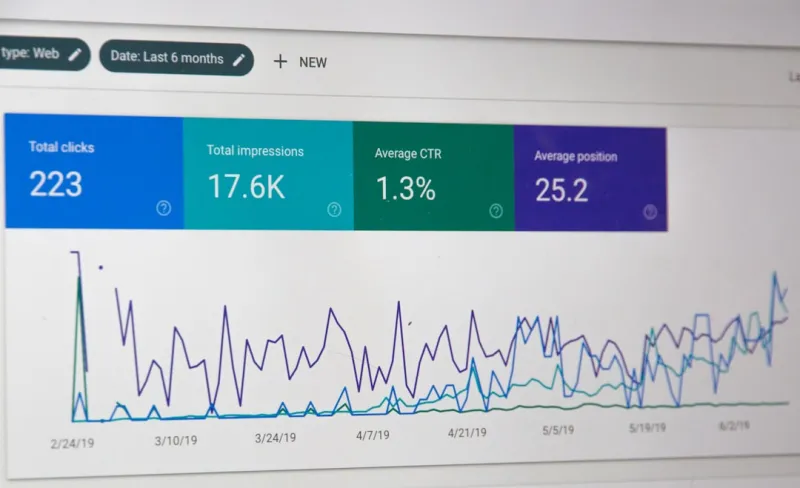
SERPs Optimization: A Guide to Improving Your Online Visibility
Improve your online visibility with our guide to SERPs optimization. Learn how to optimize your content for better visibility and drive more traffic to your pla...Read More

The Future of SEO: Navigating the Shifting Landscape
The future of SEO is constantly evolving. Learn how to stay ahead of the curve with technical SEO, high-quality content, and link building strategies....Read More
Data‑Driven, Interactive, and Gamified Link Building: A Playbook for Modern SEOs
A modern link‑building playbook that uses data‑driven prospecting, interactive assets, and gamified outreach to create sustainable, high‑authority backlin...Read More
0 Comments
Post Comment
You will need to Login or Register to comment on this post!