

Understanding the New SERP Landscape
Search engine results pages have morphed from simple blue links into dynamic, multi‑modal ecosystems where answers, images, videos, and interactive widgets compete for a single user’s attention. This shift is driven by Google’s ambition to satisfy intent instantly, which means the traditional “page‑rank‑only” mindset no longer captures the full picture of visibility. Marketers who cling to legacy tactics risk disappearing into the abyss of zero‑click searches, while those who decode the new SERP grammar can secure brand exposure even without a click.
AI‑Powered Answer Boxes and Their Impact
Large language models now power the featured answer boxes that appear at the very top of many queries, delivering concise, context‑aware responses that often satisfy the user without a follow‑up click. To influence these boxes, content creators must focus on clear, factual statements, structured headings, and authoritative citations that AI can reliably parse. While the exact algorithms remain opaque, patterns show that well‑structured, expert‑level content has a higher probability of being selected for these prized placements.
Visual Search and Image Carousels
Visual search is no longer a novelty; Google Lens and image‑first queries now dominate categories such as fashion, home décor, and travel, pushing image carousels to the forefront of SERPs. Optimizing for this visual surge means providing high‑resolution images, descriptive alt text, and implementing mobile SEO insights that ensure fast loading on all devices. Brands that embed structured image data can also surface in the new “visual discovery” panels, turning passive browsers into active shoppers.
Featured Snippets: From Text to Multi‑Modal
Featured snippets have evolved from pure text blocks to include tables, lists, and even video clips, offering a richer context that satisfies more complex queries. The key to winning a snippet is to anticipate the question format and present the answer in a clean, hierarchical structure that Google can easily extract. Embedding semantic markup and using concise, bullet‑point answers not only boosts snippet eligibility but also enhances the content’s overall relevance in the eyes of the algorithm.
Zero‑Click Searches and Traffic Implications
Recent data indicates that more than half of all searches end without a click, a trend that challenges the traditional traffic‑centric SEO model. While zero‑click outcomes may appear to reduce raw visits, they simultaneously amplify brand visibility, organic authority, and potential referral pathways. Marketers should therefore shift their KPIs from “click‑through rate” alone to broader metrics such as “impression share,” “brand lift,” and “search‑engine presence” to fully capture the value of SERP real estate.
Optimizing for Structured Data and Schema
Schema markup is the lingua franca that tells search engines how to interpret and display content, from product reviews to FAQ sections. Deploying the correct schema types can unlock rich results, increase click‑through rates, and even trigger voice‑assistant responses. Regular audits using tools like Google’s Rich Results Test ensure that markup stays current, while a systematic approach to updating JSON‑LD snippets prevents depreciation as SERP features evolve.
Local Intent in a Global SERP
Even as Google pushes toward a universal SERP experience, local intent remains a potent driver of relevance for queries that contain geo‑specific cues. Leveraging localized schema, Google My Business signals, and region‑focused content can secure the coveted “local pack” or “map” placement, which often outranks national competitors for hyper‑targeted searches. Brands that blend global authority with localized relevance can dominate both the map view and the traditional organic list, capturing the full spectrum of user intent.
Measuring Success Beyond Rankings
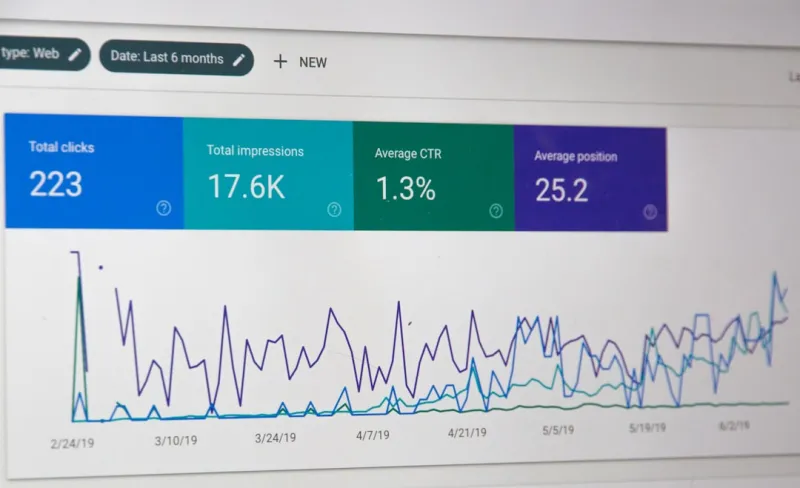
Traditional ranking reports only tell part of the story in today’s feature‑rich SERPs; success now hinges on a holistic view that includes impressions, SERP feature capture, and engagement metrics such as dwell time on featured answers. Advanced analytics platforms can correlate these signals with downstream conversions, providing a clearer ROI picture. By aligning content strategy with the nuanced performance indicators of modern SERPs, marketers can continuously refine their approach and stay ahead of algorithmic shifts.

Jessica Hall is a dynamic freelance writer based in the vibrant city of London, Ontario. As a dedicated single mom, she expertly juggles the demands of parenthood with her passion for storytelling, crafting compelling narratives that resonate with readers. With a background in retail, Jessica brings a unique perspective to her writing, infusing her work with insights drawn from her experiences.
Related Posts

Beyond Rankings: Decoding SERP Personalization for SaaS Growth
This post reveals a step‑by‑step framework for SaaS teams to capture intent signals, build a per... Read More
SERPs Optimization: A Guide to Improving Your Online Visibility
Improve your online visibility with our guide to SERPs optimization. Learn how to optimize your cont... Read More

Unlocking Hidden SERP Real Estate: PAA, Snippets, and Visual Features for SaaS Growth
Discover a step‑by‑step strategy for SaaS marketers to claim PAA boxes, featured snippets, video... Read More
Top Posts

Link Building in the Age of Interactive Experiences
Interactive assets like calculators, quizzes, and visualisations turn passive readers into active advocates, naturally generating high‑quality backlinks while...Read More

Empathy‑First Mobile SEO: Turning Small Screens Into Big Opportunities
Learn why mobile‑first is essential, how empathy‑first tactics transform rankings, and the metrics that truly reflect user satisfaction on small screens....Read More

Neighborhood‑Level Reputation: The Missing Piece in SaaS Local SEO
Tammy French shows SaaS founders why building a neighborhood‑level reputation—through targeted service areas, geo‑anchored reviews, local backlinks, and s...Read More

Chat-Driven Campaigns: How Conversational AI is Rewriting SaaS Marketing Playbooks
A deep dive into how chat‑powered experiences are reshaping SaaS marketing strategies, from lead capture to post‑sale advocacy....Read More
0 Comments
Post Comment
You will need to Login or Register to comment on this post!