

The Rise of Real‑Time Retail
When I first stumbled into a live stream of a boutique launching its spring collection, I was hooked. There was something electric about watching a host showcase products, answer questions, and hand‑craft a narrative on the fly. It felt less like a transaction and more like an invitation to a private show. Over the past months, that feeling has rippled across the eCommerce landscape, turning live shopping from a niche experiment into a core growth engine for brands that want to stay ahead.
Unlike pre‑recorded video ads, live shopping leverages the urgency of “now” while still giving shoppers the visual detail they crave. The format blends the authenticity of social media with the persuasive power of a sales floor. For retailers, the payoff is twofold: higher conversion rates and deeper customer loyalty. The numbers are telling—average watch times for live sessions regularly eclipse those of traditional product videos, and impulse purchases spike during the broadcast window.
Why Real‑Time Interaction Builds Trust
Trust remains the cornerstone of any eCommerce relationship, but in a crowded digital marketplace, it’s increasingly hard to earn. Live shopping creates a transparent environment where product flaws, fit concerns, and styling tips are addressed on the spot. Shoppers can see the product from multiple angles, ask spontaneous questions, and receive immediate answers. That instant feedback loop reduces the perceived risk of buying online and shortens the decision‑making cycle.
From my perspective, the most compelling moments happen when hosts acknowledge imperfections—like a slight scratch on a piece of jewelry—and explain how it adds character. Those candid moments resonate more than polished, edited content because they mirror the honesty found in brick‑and‑mortar interactions. In turn, viewers feel seen and heard, which translates into repeat purchases and word‑of‑mouth referrals.
Tech Stack Essentials for a Seamless Experience
Pulling off a flawless live shopping event isn’t just about charisma; it requires a robust technical foundation. First, the streaming platform must support low‑latency video to ensure real‑time dialogue feels natural. Second, integration with your eCommerce backend is crucial so that product cards appear instantly when a host mentions an item, complete with price, stock levels, and a “Buy Now” button.
Investing in a reliable content delivery network (CDN) helps prevent buffering, especially when you’re broadcasting to a global audience. Additionally, analytics tools that capture viewer engagement—such as click‑through rates on product cards and chat sentiment—enable you to refine future sessions. For those looking to dive deeper into data‑driven content, exploring strategic content clusters can inspire how you organize product information for both live and on‑demand experiences.
Integrating Social Channels Seamlessly
Live shopping thrives where audiences already gather: social platforms. Whether you’re streaming on Instagram, TikTok, or a dedicated storefront, the key is to meet shoppers where they are. Cross‑posting snippets of the live session to stories, reels, or short‑form videos keeps the conversation alive after the broadcast ends.
Another effective tactic is to embed live widgets directly on product pages. That way, visitors who land via organic search or paid ads can instantly join the conversation without leaving your site. The result is a unified funnel that captures interest, nurtures it in real time, and pushes the shopper toward checkout—all within a single environment.
Measuring Success Beyond Views
It’s tempting to chase vanity metrics like total view count or follower growth, but the real ROI of live shopping lives in the bottom line. Track the conversion rate of viewers who click a product card versus those who simply watch. Measure average order value (AOV) for purchases made during a live session and compare it to baseline AOV for standard traffic.
Beyond sales, look at post‑event engagement: how many participants subscribe to newsletters, join loyalty programs, or share the replay? These signals indicate brand affinity and future purchase intent. For brands that want to benchmark their performance against broader industry standards, reviewing modern architecture insights can provide guidance on scaling analytics without sacrificing speed.
Common Pitfalls and How to Avoid Them
Even with the best intentions, live shopping can stumble. One frequent misstep is over‑promising on inventory and then failing to fulfill orders promptly. To prevent this, synchronize your inventory management system with the streaming platform so stock levels update in real time.
Another trap is neglecting the chat moderation process. An unfiltered comment section can quickly derail the narrative or create a hostile environment. Assign a moderator to field questions, highlight key comments, and steer the conversation back on track.
Finally, don’t forget the post‑broadcast experience. Sending a follow‑up email that recaps highlighted products, includes exclusive discount codes, and links to the replay can convert viewers who missed the live moment into buyers.
Future Outlook: What’s Next for Live Shopping?
Looking ahead, I see three trends shaping the next wave of live shopping. First, augmented reality (AR) overlays will let viewers try on accessories or visualize furniture in their own space without leaving the stream. Second, artificial intelligence will power personalized product recommendations during the broadcast, ensuring each viewer sees items that match their style and purchase history. Third, subscription‑based “live clubs” will emerge, where members gain early access to exclusive streams, limited‑edition drops, and behind‑the‑scenes content.
Brands that experiment now, iterate quickly, and keep the consumer at the center of the experience will own the live shopping space. The era of static product pages is giving way to dynamic, communal shopping journeys—if you’re ready to step onto the stage, the audience is waiting.

Sarah Gray is a proud Canadian who calls Brampton home, where she lives with her husband, Paul. A passionate home cook and gifted storyteller, Sarah loves creating delicious recipes and sharing stories inspired by everyday life, family, and cherished experiences. When she isn't experimenting in the kitchen, she's busy crafting engaging content that reflects her warmth, creativity, and love of connection. Above all, Sarah treasures time spent with her grandchildren, embracing every opportunity to create lasting memories with the people she loves most.
Related Posts

Level Up: Gamifying the eCommerce Journey
Turn ordinary shopping into an engaging game. Learn why gamification is the next growth lever for eC... Read More
Sustainable Packaging: The New Competitive Edge for eCommerce Brands
Sustainable packaging transforms the unboxing experience into a brand‑building moment, cuts shippi... Read More
The Human‑Centric Playbook Every eCommerce Brand Needs
Learn why putting people first—through personalized experiences, social conversations, and trustâ€... Read More
Top Posts
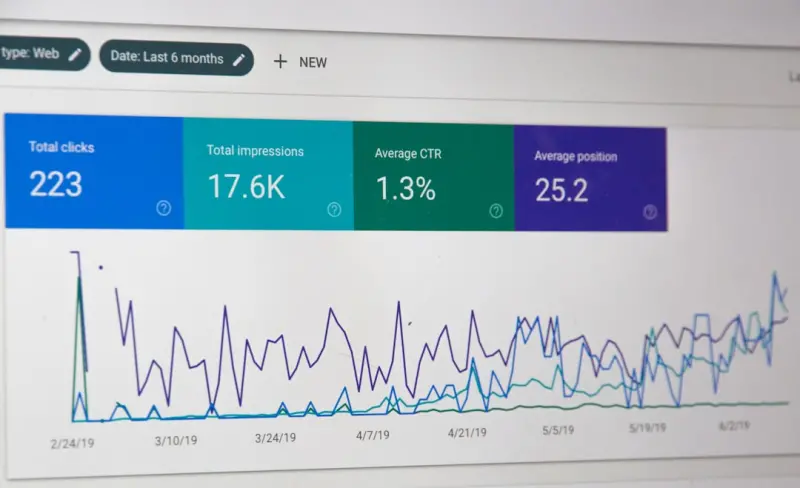
Why Topic Clusters Are the New Backbone of SaaS SEO
A deep dive into building topic clusters for SaaS, showing how a pillar-and-spoke model, internal linking, and structured data can boost rankings, traffic, and ...Read More

The Evolution of Technical SEO: Navigating the Ever-Changing Landscape
The evolution of technical SEO has been rapid and significant. From mobile-first indexing to AI-powered search engines, SEO professionals must stay up-to-date w...Read More

The eCommerce Playbook for 2024: How to Turn SEO, Mobile, and Social Into Sales Engines
Shawn DesRochers reveals the 2024 eCommerce playbook, blending SEO, mobile-first design, link building, and social strategies to turn traffic into loyal custome...Read More

From Noise to Conversation: Crafting an Empathy‑First Social Strategy
Learn how an empathy‑first approach transforms social media noise into authentic conversations, turning followers into loyal customers and fueling sustainable...Read More
0 Comments
Post Comment
You will need to Login or Register to comment on this post!