
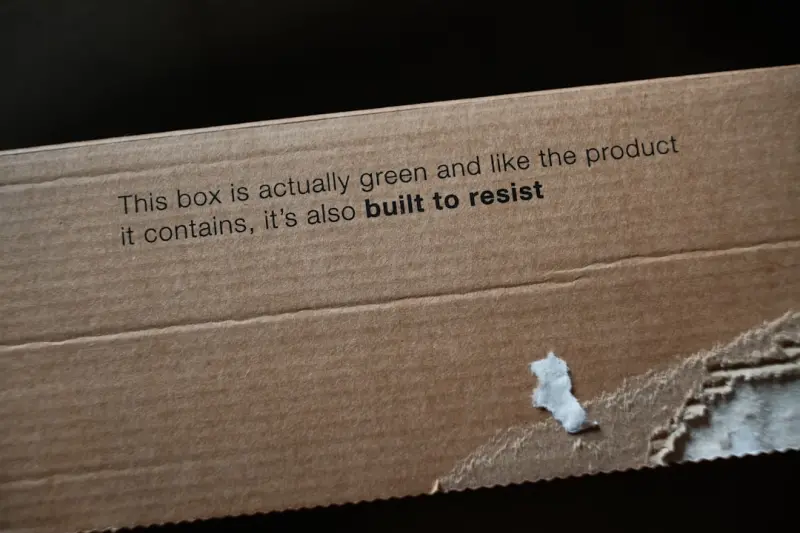
The Consumer Shift Toward Sustainability
Across the globe, shoppers are no longer content with merely receiving a product; they demand proof that the entire journey—from raw material to doorstep—aligns with their values, and that proof often starts with the box that houses the purchase. Eco‑friendly packaging has moved from a niche concern to a decisive factor in whether a potential buyer clicks “add to cart” or scrolls away, and the data backs this trend with conversion lifts that can reach double digits for brands that act quickly. As eCommerce operators, we must treat packaging not as a cost center but as a front‑line marketing asset that can differentiate a brand in a crowded digital marketplace.
Packaging Directly Impacts Conversion and Cart Abandonment
Recent studies reveal that 68% of online shoppers consider packaging sustainability when evaluating a brand, and that perception directly correlates with purchase intent, meaning the visual and tactile experience of the package can either seal the deal or trigger a silent exit. When a consumer sees recycled cardboard, minimalist inks, or biodegradable wraps, the subconscious reward system kicks in, reinforcing a sense of ethical alignment that reduces the mental friction that often leads to cart abandonment. Brands that have swapped conventional plastics for compostable alternatives report not only higher repeat purchase rates but also an uptick in average order value as customers feel justified in spending more for a responsible product experience.
Sourcing Sustainable Materials Without Breaking the Bank
The biggest myth surrounding green packaging is that it inevitably drives up costs, yet a strategic sourcing approach can actually reveal cost‑neutral or even cost‑saving opportunities through bulk purchasing, regional supplier networks, and material innovation grants. By partnering with manufacturers who specialize in recycled fibers, plant‑based polymers, or water‑based inks, eCommerce businesses can negotiate tiered pricing that scales with volume, turning sustainability into a long‑term financial win rather than a short‑term expense. Moreover, the reduction in material weight often translates into lower shipping fees, further offsetting any initial premium associated with greener inputs.
Turning Packaging Into a Community Narrative
When a brand frames its packaging choices as part of a broader community mission, it creates a shared story that resonates far beyond the checkout page, and this is where community hubs become a powerful amplifier for the message. By inviting customers to contribute ideas for future packaging designs, or by showcasing local artists on limited‑edition boxes, companies turn passive buyers into active participants in the brand’s sustainability journey. This participatory model not only deepens emotional loyalty but also generates user‑generated content that fuels organic reach, turning each parcel into a mobile billboard for a cause that customers care about.
Leveraging Visual Storytelling With Green Packaging
Packaging is a canvas, and when brands use it to tell a visual story—whether through bold, nature‑inspired graphics or simple, transparent messaging about material origins—they unlock a potent form of visual storytelling that can be repurposed across social platforms, email campaigns, and product pages. High‑resolution unboxing videos that highlight the tactile feel of recycled paper or the crisp snap of a biodegradable seal become shareable assets that amplify brand awareness without additional ad spend. The key is to ensure that every visual cue reinforces the sustainability promise, creating a cohesive narrative that customers can instantly recognize and champion.
SEO Benefits Tied to Eco‑Friendly Packaging
Search engines are increasingly rewarding brands that demonstrate environmental responsibility, and eco‑friendly packaging provides a natural entry point for content that can improve rankings and visibility. By creating dedicated landing pages that detail the lifecycle of packaging materials, embedding schema markup for sustainable products, and encouraging reviews that mention “green packaging,” eCommerce sites can capture long‑tail queries from eco‑conscious shoppers. This content not only drives organic traffic but also enhances trust signals—metrics like dwell time and bounce rate improve when visitors find the transparency they’re seeking, ultimately feeding a virtuous cycle of higher rankings and higher sales.
Logistics, Supply Chain Adjustments, and Overcoming Challenges
Transitioning to sustainable packaging demands a re‑evaluation of the entire fulfillment workflow, from warehousing to last‑mile delivery, and the most successful brands treat this shift as an iterative process rather than a one‑off overhaul. Implementing modular packaging solutions that can be easily stacked, reused, or repurposed reduces handling time and minimizes waste, while collaboration with carriers who support carbon‑neutral shipping further aligns the end‑to‑end experience with the brand’s green ethos. Though challenges such as supplier lead times and regulatory compliance can arise, a proactive stance—leveraging data analytics to forecast demand and building contingency plans—ensures that the sustainability upgrade does not disrupt order fulfillment.
Future Outlook: Making Green Packaging a Competitive Advantage
As consumer expectations continue to evolve, the brands that embed sustainability into their core DNA will emerge as the market leaders, and packaging is poised to be the most visible proof point of that commitment. By treating every box, tape, and label as an opportunity to reinforce brand values, eCommerce operators can transform a cost center into a revenue engine that drives repeat business, referrals, and higher lifetime value. The time to act is now—start with a small pilot, measure the impact on conversion and brand perception, and scale the initiative until eco‑friendly packaging becomes the default, not the exception, for your online store.

Tom Ferguson is a Canadian freelance writer with a passion for storytelling, current events, and thoughtful commentary. Drawing on years of writing experience, he shares engaging insights on a wide range of topics, bringing a uniquely Canadian perspective to his work.
Related Posts
Empathy‑Powered eCommerce: Turning Data Into Delight
Learn how putting empathy at the heart of your eCommerce strategy can boost conversions, enhance cus... Read More

AR & VR: The Next Frontier for eCommerce
Immersive technologies like augmented and virtual reality are no longer gimmicks; they’re becoming... Read More

Augmented Reality: The Secret Weapon for eCommerce Growth
Learn why augmented reality is reshaping eCommerce, from reducing returns to increasing average orde... Read More
Top Posts

The Human‑Centric Revolution: Why Google SEO Is Shifting From Algorithms to Authentic Connections
Google’s SEO game has changed—authentic human connection now beats pure algorithm tricks. Learn the shift, the tactics, and how to stay ahead....Read More
From Clicks to Commitment: SEO Strategies That Drive SaaS Subscriptions
Learn how to align SEO with the subscription funnel, prioritize high‑value keywords, craft conversion‑ready content, and measure success by recurring revenu...Read More

Interactive Tools: The Untapped Gold Mine for Link Building
Learn why creating shareable interactive tools—like ROI calculators and churn estimators—offers a powerful, organic way to earn backlinks, drive traffic, an...Read More

Why Subscription Models Are the Next Frontier for Physical‑Goods eCommerce
Subscription commerce turns one‑off purchases into steady revenue streams, boosts customer lifetime value, and reduces cart abandonment. Learn how to design, ...Read More
0 Comments
Post Comment
You will need to Login or Register to comment on this post!