
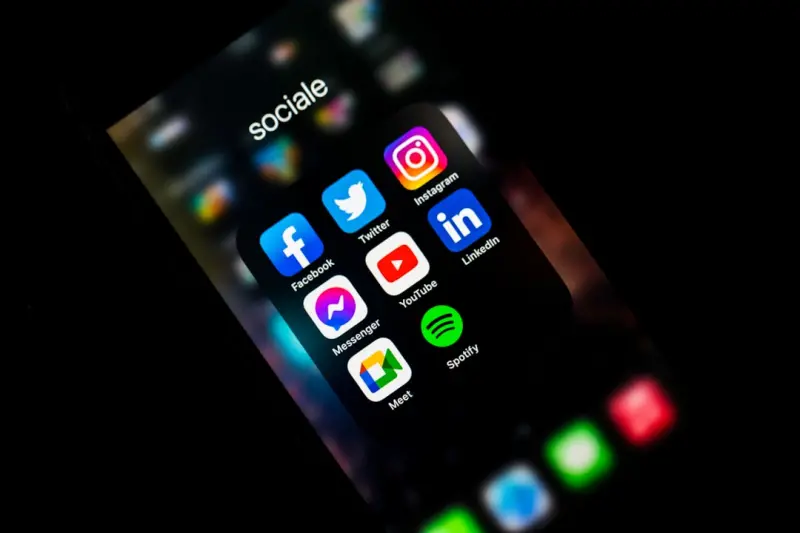
Why Dark Social Is the Silent Engine of Modern Campaigns
When I first noticed a sudden spike in traffic that didn’t show up in any referral report, I realized I was looking at the invisible side of sharing – what the industry now calls dark social. It’s the private, point‑to‑point sharing that happens in messaging apps, email forwards, and copy‑and‑paste actions, bypassing the public analytics that marketers rely on. The challenge isn’t just that it’s hidden; it’s that it represents a massive portion of the consumer journey, often accounting for up to 84 % of link shares in certain niches. By ignoring these pathways, brands lose the chance to understand real advocacy, miss out on authentic word‑of‑mouth, and ultimately waste budget on ineffective touchpoints. Embracing dark social means rethinking attribution models, building tracking mechanisms that capture indirect referrals, and rewarding the invisible influencers who drive conversions from behind the scenes.
To start, I recommend deploying interactive link‑building tactics that embed unique identifiers into shared URLs. These identifiers act like digital fingerprints, allowing you to trace a link that surfaces in a private chat back to the original source. Combine that data with CRM insights, and you can map a user’s path from a whispered recommendation to a final purchase. The key is to keep the experience seamless – the fingerprint must be invisible to the end‑user, preserving the authenticity of the share while still feeding your analytics engine. When done right, you turn what once was “dark” into a bright, actionable data stream that fuels smarter budgeting and more personalized outreach.
Messaging Apps: The New Front‑Line for Conversational Commerce
In my experience, the line between social media and direct messaging has blurred to the point where the latter is now the primary sales channel for many brands. Platforms like WhatsApp, Instagram Direct, and even SMS have evolved from simple communication tools into sophisticated commerce ecosystems, complete with product catalogs, payment integrations, and chat‑bots. What makes them powerful is the immediacy and intimacy of a one‑to‑one conversation – customers feel heard, and they can act on recommendations in real time. This shift demands a different creative mindset: instead of broadcast‑style ads, marketers must craft concise, conversational scripts that guide the buyer through a natural dialogue.
One practical approach I’ve championed is the creation of “micro‑funnels” inside messenger, where each interaction triggers a contextual next step, such as offering a limited‑time discount or sharing a testimonial video. By using behavioral triggers like abandoned cart reminders or post‑purchase follow‑ups, brands can nurture leads without ever leaving the chat window. The result is a higher conversion rate and a richer data set that captures sentiment, preferences, and purchase intent in a single thread. Remember, the goal isn’t to push a sale; it’s to become a trusted advisor within the private chat space.
Privacy‑First Personalization: Balancing Trust and Targeting
Privacy regulations have reshaped how we think about data, but the demand for personalized experiences remains unshaken. The sweet spot lies in delivering relevance without compromising consent, a balance I like to call privacy‑first personalization. Instead of harvesting massive data lakes, focus on first‑party signals collected directly from the user’s interactions on your owned channels. These signals include browsing behavior, purchase history, and explicit preference settings. When you combine them with contextual cues from the messaging environment – such as time of day or device type – you can craft offers that feel tailor‑made, yet are fully compliant.
Technologically, this means leveraging edge computing and server‑side tagging to process data locally, reducing reliance on third‑party cookies. It also involves transparent communication: let users know what data you’re using and why, and give them easy opt‑out options. Brands that master this approach not only avoid regulatory pitfalls but also build deeper trust, turning privacy compliance into a competitive advantage. In practice, you’ll see higher engagement metrics, lower unsubscribe rates, and a more loyal customer base that appreciates the respect for their data.
Measuring the Unmeasurable: New Attribution Models for a Multi‑Channel World
Traditional last‑click attribution simply can’t capture the complexity of today’s customer journeys, especially when dark social and messaging are in play. I’ve shifted my teams toward a hybrid model that blends data‑driven attribution with algorithmic weighting, assigning credit based on the probability of each touchpoint influencing the final conversion. This model uses machine learning to analyze patterns across thousands of anonymous journeys, identifying hidden influencers such as a forwarded meme in a group chat or a quick reply from a brand’s chatbot.
Implementing this requires a robust data infrastructure: a unified data warehouse that ingests clickstream data, CRM events, and messaging analytics. From there, you can run attribution simulations that surface the true ROI of each channel, including those previously invisible dark social pathways. The insights gleaned allow you to reallocate spend toward the under‑appreciated drivers of revenue, optimize creative assets for the formats that resonate in private chats, and ultimately close the loop on the full customer experience.
Creative Playbooks for Dark Social Amplification
Creativity is the catalyst that turns a private share into a viral loop. My go‑to tactic is to embed “share‑ready” snippets within content – think eye‑catching quotes, short GIFs, or mini‑infographics that are easy to copy‑paste. By designing assets that are inherently shareable in messaging apps, you encourage organic distribution without the need for a public platform’s algorithm. Pair these assets with a clear call‑to‑action that prompts the receiver to forward it, such as “Know someone who’d love this? Forward it now!”
Another powerful method is to incentivize dark social sharing through exclusive rewards. For example, offer a discount code that unlocks only when a user shares a personalized link with a friend via chat. The code can be tracked back to the original sharer, granting them a commission or loyalty points. This not only fuels word‑of‑mouth but also creates a measurable loop that ties back to your attribution model. The key is to keep the reward valuable enough to motivate sharing, yet simple enough to avoid friction in the conversation.
Integrating Dark Social Insights Into Content Strategy
Insights harvested from private shares can inform the next wave of content creation. By analyzing the topics, formats, and emotional triggers that most often get forwarded, you can double‑down on what resonates. For instance, if data shows that short, humor‑laden anecdotes are frequently shared in WhatsApp groups, you can produce a series of bite‑size stories tailored for that environment. This feedback loop ensures your content library stays aligned with the real‑world preferences of your audience, rather than relying on generic trend reports.
To operationalize this, set up a listening dashboard that aggregates UTM parameters, custom hash tags, and message‑level engagement metrics from your messaging APIs. Use the dashboard to surface top‑performing assets, then feed those insights into your editorial calendar. Over time, you’ll notice a compounding effect: as you serve more of what people love to share, the volume of dark social traffic grows, feeding richer data back into the system.
Scaling Conversational Teams Without Losing the Human Touch
As demand for messenger‑based interactions spikes, many brands fear scaling will dilute the personal experience. My solution is a tiered approach that blends AI‑driven chatbots for routine inquiries with human agents for high‑value, nuanced conversations. The bot handles the initial triage, gathering context, and even qualifying leads before smoothly handing off to a live representative. This ensures response speed remains lightning‑fast while preserving the empathy that only a human can provide.
Crucially, the handoff must be seamless: the human agent should inherit the full conversation history, allowing them to pick up exactly where the bot left off. Training your team on brand voice guidelines and equipping them with real‑time data from the attribution engine ensures every interaction feels consistent and purposeful. With this hybrid model, you can support thousands of simultaneous chats without sacrificing the authenticity that drives loyalty in private messaging channels.
Future‑Proofing Your Brand in the Age of Private Sharing
The digital landscape will continue to evolve, but the core principle remains: people trust private recommendations more than public ads. By embedding dark social tracking, conversational commerce, and privacy‑first personalization into your core strategy, you position your brand to thrive no matter how platforms shift. Future‑proofing also means staying agile – regularly audit your attribution models, refresh your creative assets for emerging messaging trends, and keep the conversation flowing with authentic, value‑driven content.
In practice, set quarterly goals for dark social traffic growth, measure the lift from messaging‑driven campaigns, and iterate based on data. Celebrate wins, learn from underperforming assets, and keep the loop closed between insight and execution. When you treat private sharing as a strategic channel rather than a mysterious afterthought, you unlock a sustainable source of high‑intent traffic that fuels long‑term brand equity.

Shawn DesRochers is a certified Microsoft technician and Programmer with 30+ year's experience. He has written many reviews on computer related products, software, and SEO related topics. When he's not writing reviews he can be found at one of the Oldest Directories Online Domain Authority Directory which he is the CEO of.
Related Posts

Turning Green Into Gold: Sustainable Digital Advertising Strategies
Explore practical tactics for reducing the carbon footprint of your digital ads, from leaner creativ... Read More

AI‑Driven Hyper‑Personalized Email: The Next Evolution in Digital Marketing
Explore the rise of AI‑driven hyper‑personalized email campaigns, from dynamic content blocks to... Read More
Why Attribution Modeling Is the Missing Link in B2B SaaS Growth
Discover a practical, data‑driven framework for attribution modeling that helps B2B SaaS marketers... Read More
Top Posts

Boost Your Neighborhood Business with Human‑Centric Local SEO
Learn to turn community conversations into powerful local SEO, from Google My Business tweaks to hyper‑local content, and watch your neighborhood business thr...Read More
Micro‑Influencer Partnerships: A Fresh Playbook for B2B SaaS Marketers
Micro‑influencers, with their niche, highly‑engaged audiences, are becoming the hidden engine behind B2B SaaS growth. This guide walks marketers through fin...Read More

The Future of SEO: Navigating the Shifting Landscape
The future of SEO is constantly evolving. Learn how to stay ahead of the curve with technical SEO, high-quality content, and link building strategies....Read More

Why Empathy Is the Superpower Behind Modern Social Media Marketing
Learn why listening, not just posting, is the new key to social media success. Empathy turns casual followers into brand advocates and fuels authentic growth....Read More
0 Comments
Post Comment
You will need to Login or Register to comment on this post!